|
Workflow
1. Log Loading & Centering: The log is fed into the machine via conveyor rollers. The automatic centering device (hydraulic or mechanical) quickly detects and adjusts the log's position, aligning its rotational center with the theoretical optimal peeling center.
2. Clamping & Driving: The positioned log is supported by the bottom V-shaped support bed. The synchronized drive friction rollers (main drive rollers) on both sides press against the log's outer circumference, driving it to rotate via strong friction.
3. Peeling Feed: While the drive rollers rotate, the knife carriage equipped with the peeling blade moves precisely and uniformly towards the log's axis, according to the preset veneer thickness.
4. Veneer Formation & Conveying: The rotating log meets the linearly feeding blade, producing a continuous ribbon of veneer. The veneer is discharged from below the blade and smoothly guided out by conveyor rollers or lead-in devices.
5. Cutting & Winding/Stacking: The continuous veneer ribbon can be automatically cut to preset lengths. It is then fed into an automatic winder to be rolled into coils or stacked neatly by a stacker, ready for the next drying process.
6. Diameter Reduction & Automatic Adjustment: As peeling proceeds, the log diameter decreases. The control system monitors in real-time and automatically adjusts the speed and pressure of the drive rollers while controlling the feed rate of the knife carriage to maintain constant cutting linear speed and veneer thickness.
|
Product Packaging
|
Application Video
|
Main Components
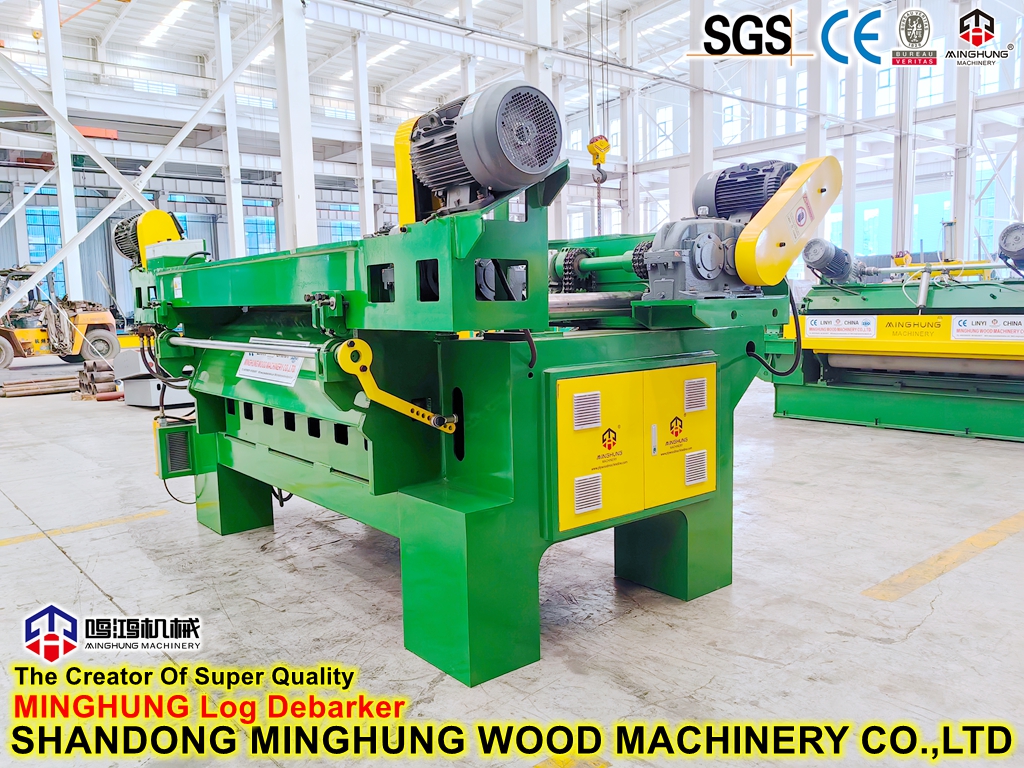
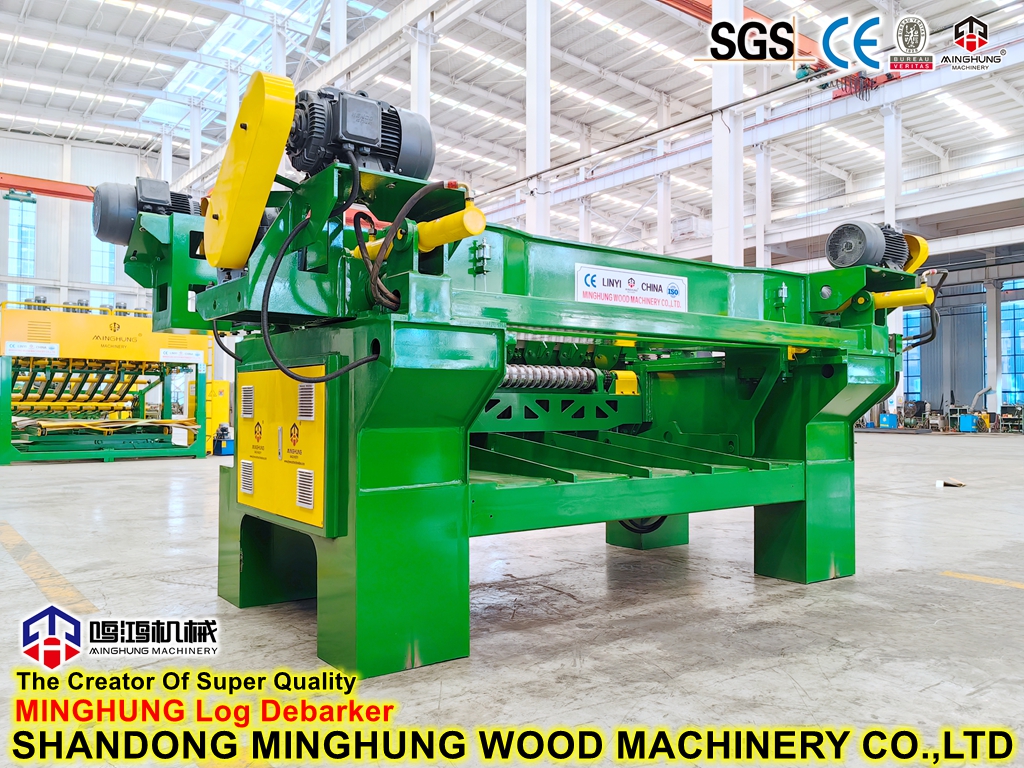
1. Main Machine Bed: Made of high-strength cast iron or welded steel structure, providing a solid foundation for the entire equipment and ensuring peeling precision.
2. Spindleless Drive System: The core component. Typically includes a pair of synchronized main drive friction rollers, pressure application devices, and a bottom V-type support roller/bed, responsible for clamping and driving the log.
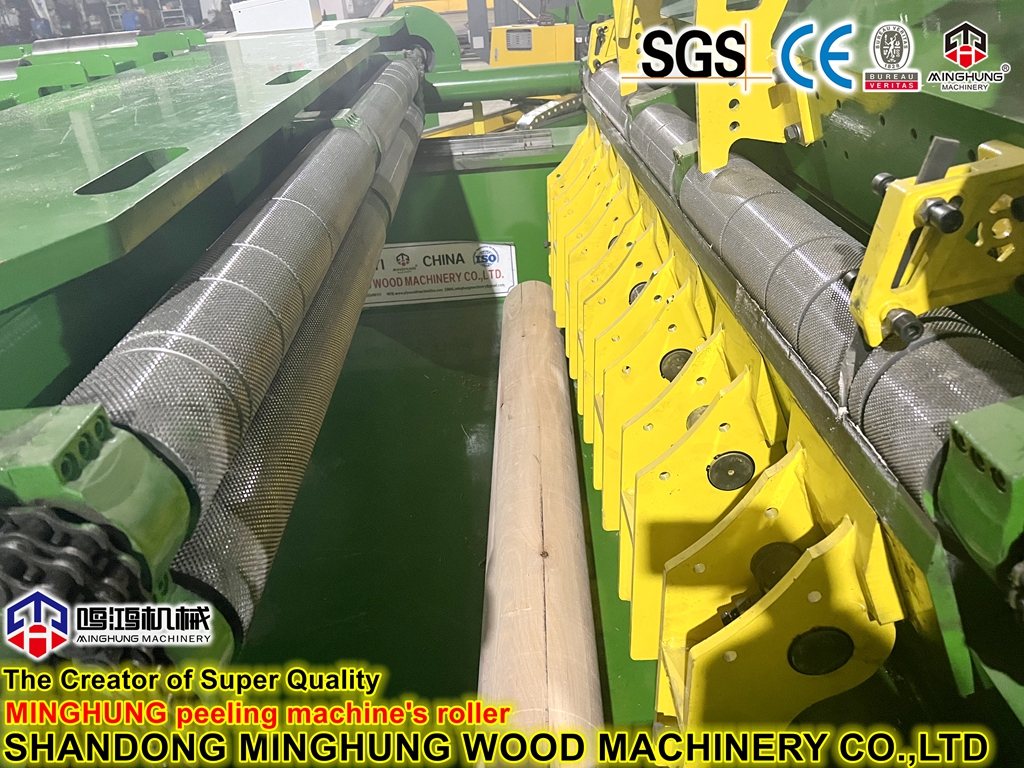
3. Knife Carriage Assembly: Includes precision guide rails, feed screw/hydraulic cylinder, peeling blade (knife and holder), and nose bar mechanism. The nose bar compresses the wood just ahead of the blade to prevent splitting and ensure veneer quality.
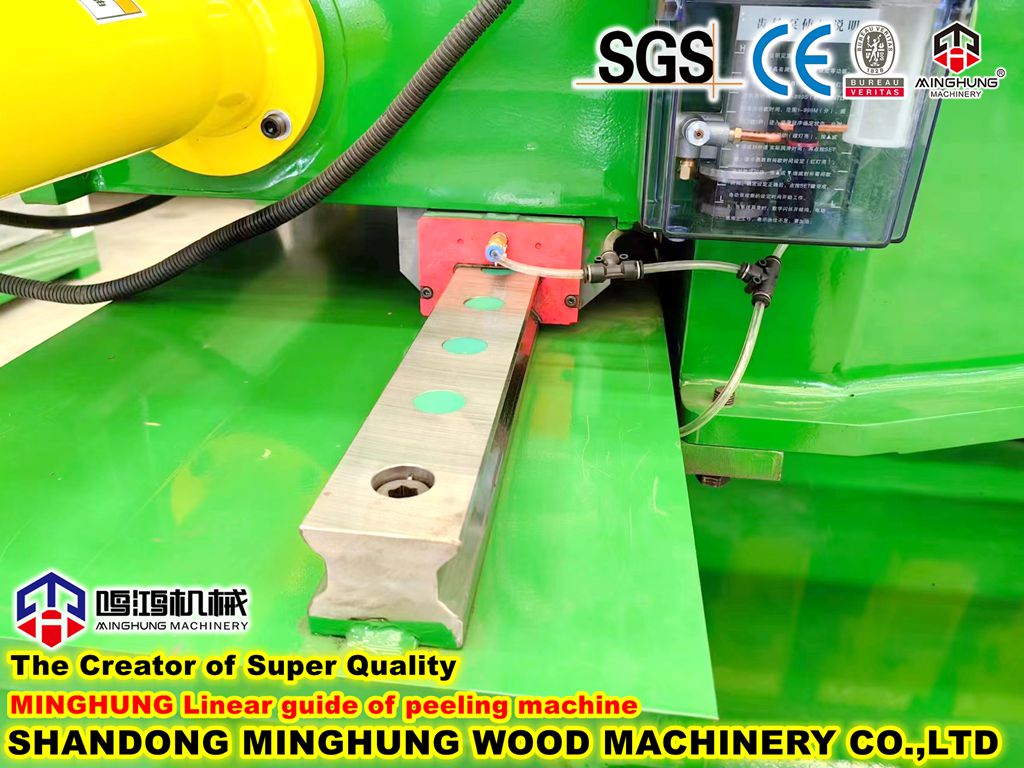
4. Automatic Centering System: Located at the feed end, consists of sensors and hydraulic actuators responsible for automatic log centering.
5. Electrical Control System: Centered around a PLC (Programmable Logic Controller), integrated with an HMI (Touch Screen), frequency converters, sensors, etc., to achieve full automation, parameter setting, and fault diagnosis.
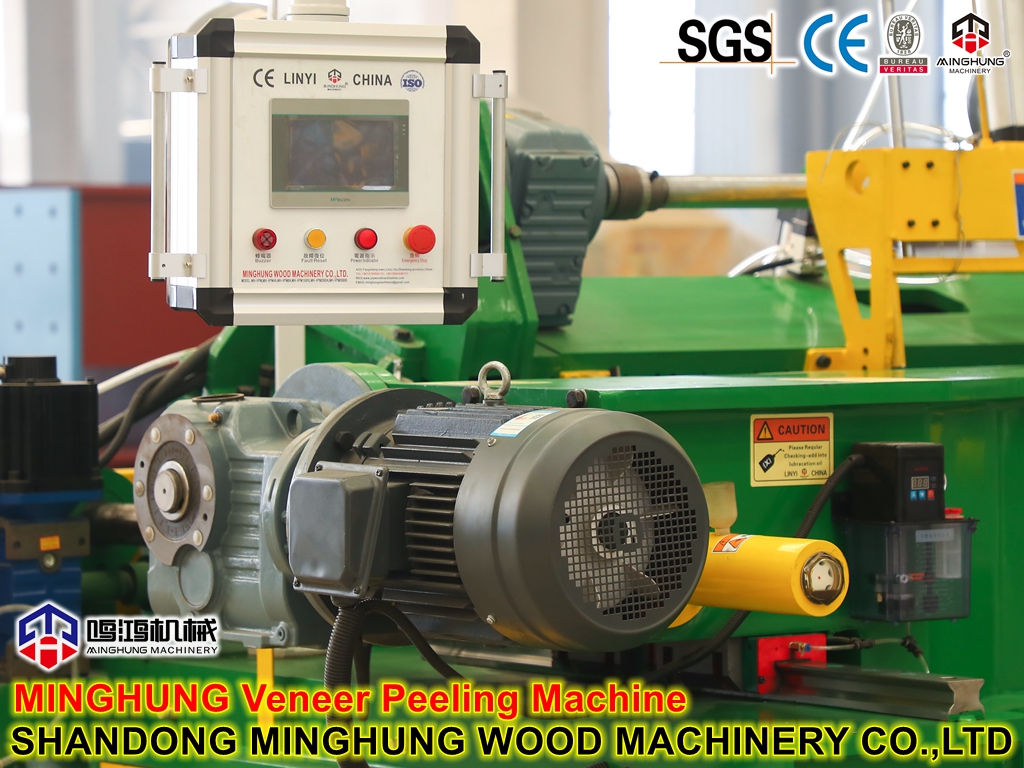
6. Hydraulic System (if applicable): Provides power for centering, drive roller pressurization, knife carriage feed, etc., ensuring smooth operation.
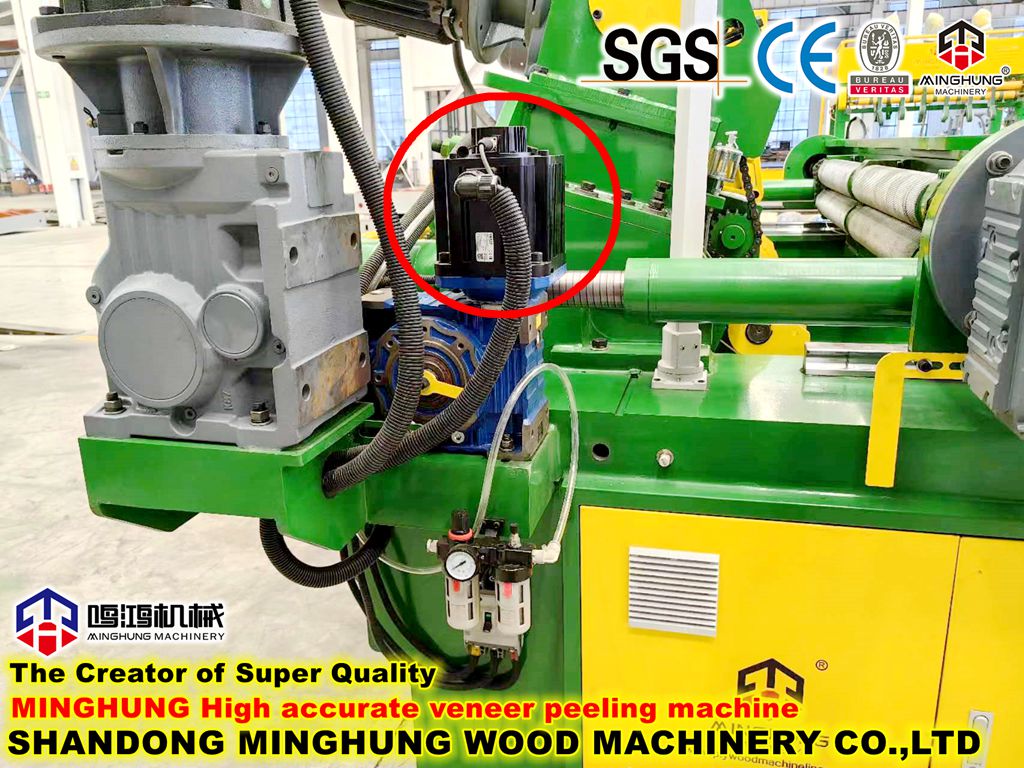
7. Veneer Output & Handling Devices: Include conveyor rollers, a cutter, and an automatic winder or stacker.
|
Advantages of this peeling machine
1. Exceptionally High Wood Utilization: The spindleless design allows peeling down to a much smaller core (as low as approx. Φ50mm), saving 10%-15% of wood compared to spindle-type lathes, directly reducing raw material costs.
2. Superior Veneer Quality: Constant linear speed cutting and precise feed control ensure uniform veneer thickness, minimal backside checking, and a smooth surface, especially suitable for softwoods like pine.
3. High Level of Automation: The entire process from automatic centering, peeling, to winding/stacking is automated, reducing dependence on skilled labor, improving production efficiency, and lowering labor intensity.
4. Strong Adaptability, Especially for Pine: With no central spindle, it is not hindered by common pine defects like eccentricity, heart rot, or knots. It can effectively utilize defective logs, improving yield.
5. Easy Operation & Maintenance: User-friendly HMI for easy parameter setting. The structure is simpler than traditional spindle lathes, with fewer maintenance points and reliable operation.
|
Certifications
|
Characteristics of pine veneer production
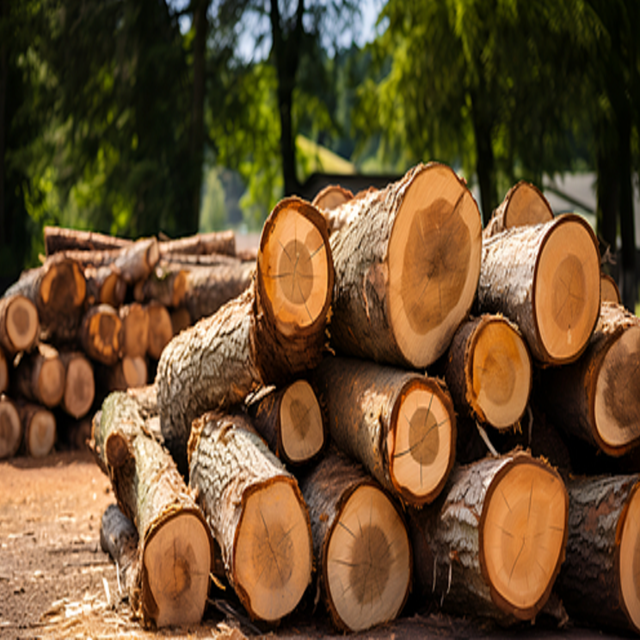
1. Material Properties: Pine is a softwood, relatively soft and low in density with a clear fiber structure. This makes it easy to peel with low cutting resistance and energy consumption.
2. Veneer Properties: The peeled veneer is flexible, easy to dry and process further. The wood grain (annual rings) is clear and attractive, with a natural color, widely used for plywood core, back layers, and decorative faces.
3. High Resin Content: Pine is rich in resin, which can stick to the blade during peeling, causing "gumming," affecting tool life and veneer surface finish. This demands wear-resistant and anti-stick blades on the peeler, preferably with corresponding anti-gumming design features.
4. High Tolerance for Defects: Pine often has natural defects like heartwood discoloration and knots. The spindleless peeler, not relying on central clamping, better accommodates these defects, peeling them into usable veneer, unlike spindle lathes where defects can cause unstable centering or blade breakage.
5. Cost-Effectiveness: Pine has a relatively short growth cycle, is relatively abundant, and moderately priced. Combined with the high-utilization, high-efficiency spindleless peeler, it enables the production of highly cost-effective veneer products.
|
Core Structure:Spindleless Design
Unlike traditional spindle-type lathes, this machine employs an innovative dual-roller drive system (typically synchronized friction rollers or drive wheels) working in conjunction with a bottom V-type support mechanism to clamp and drive the log from the outside. This design completely eliminates the limitations imposed by a central spindle on log diameter and core size, allowing peeling down to a much smaller core diameter. This significantly improves wood utilization, especially beneficial for processing pine, which may contain knots or heartwood defects.
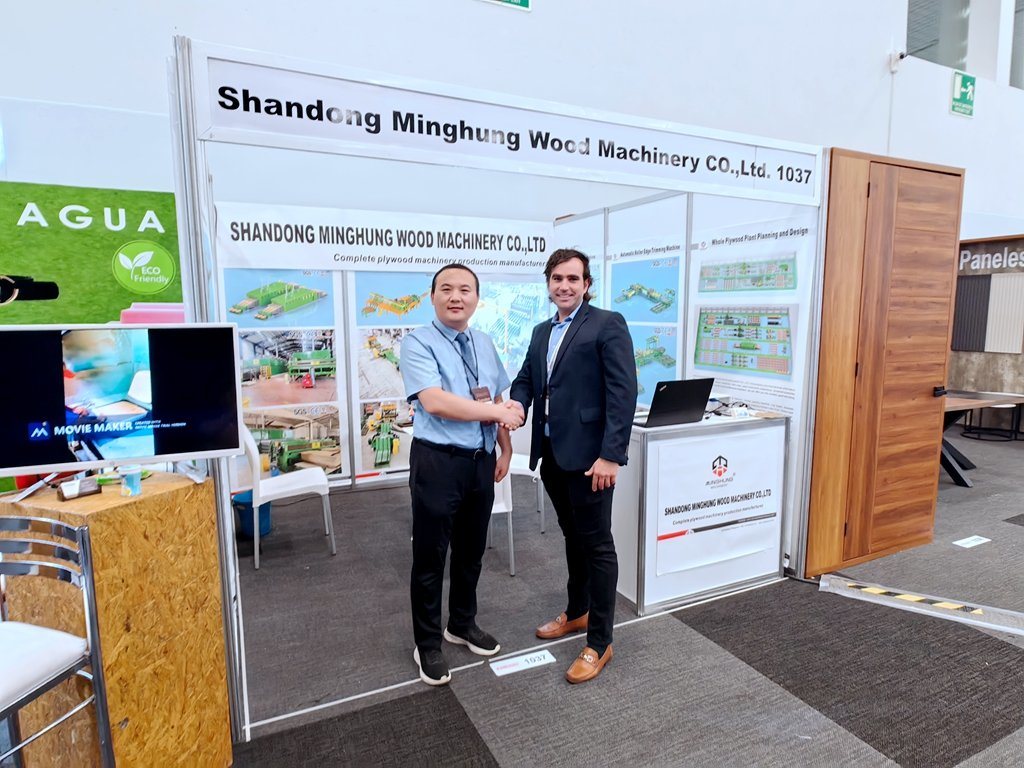
Exhibition photos
We are not only equipment suppliers, but also your reliable business partners. We offer a turnkey solution covering factory planning, equipment installation, commissioning, personnel training and after-sales support. Choosing us means choosing quality, innovation and continuous support.