The Ultimate Guide to Plywood Hot Press Machines: Crafting High-Quality Plywood
You are here:Home » News » Plywood Machine News » The Ultimate Guide to Plywood Hot Press Machines: Crafting High-Quality Plywood
The Ultimate Guide to Plywood Hot Press Machines: Crafting High-Quality Plywood
Views: 0 Author: Mark Zhai Publish Time: 2023-12-13 Origin: original
The Ultimate Guide to Plywood Hot Press Machines: Crafting High-Quality Plywood
Plywood is a versatile and widely used material in various industries, from construction to furniture manufacturing. Behind the scenes, plywood hot press machines play a crucial role in the production process. In this comprehensive guide, we will delve into the intricacies of plywood hot press machines and explore how they contribute to the creation of high-quality plywood.
Understanding Plywood Hot Press Machines:
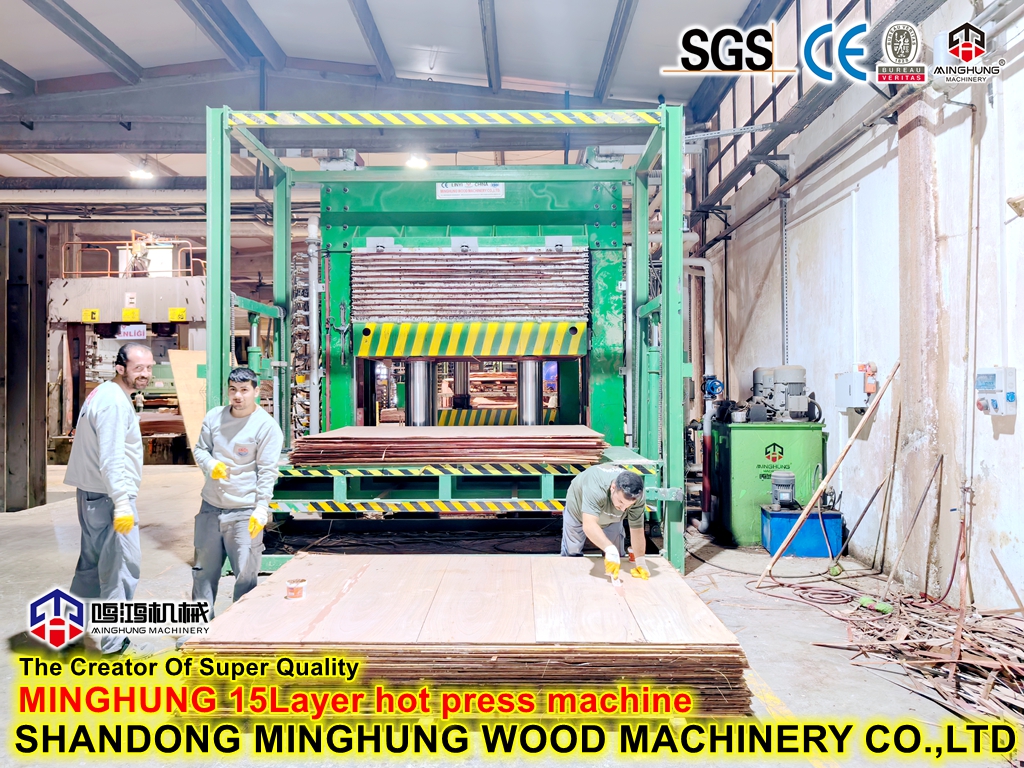
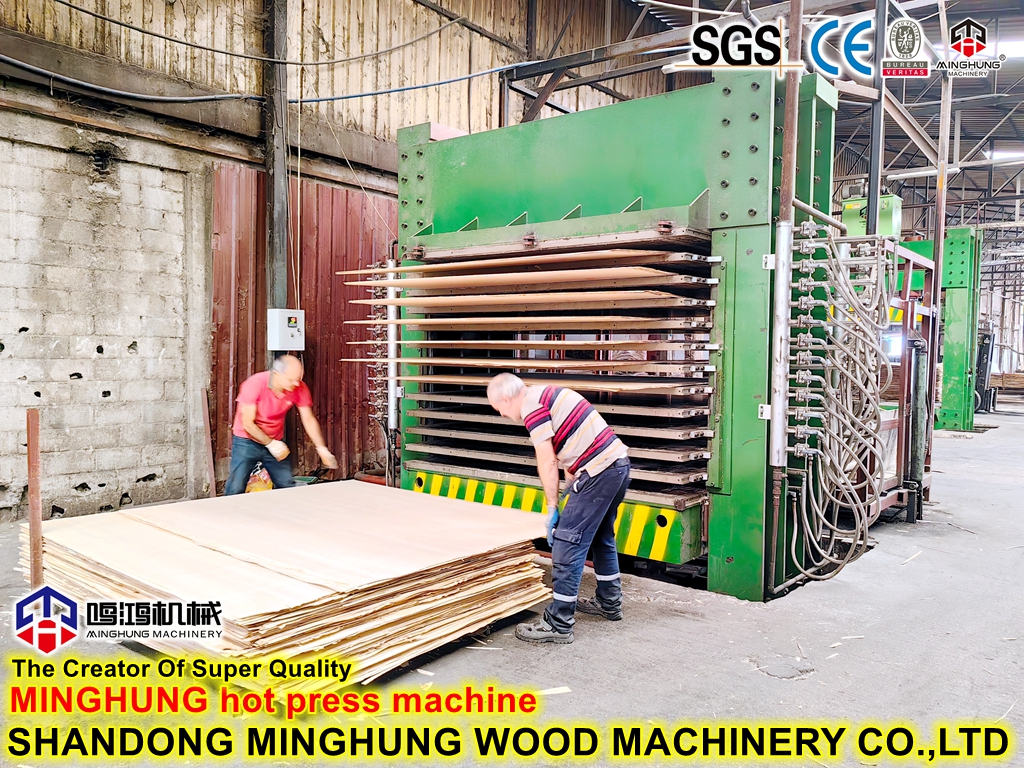
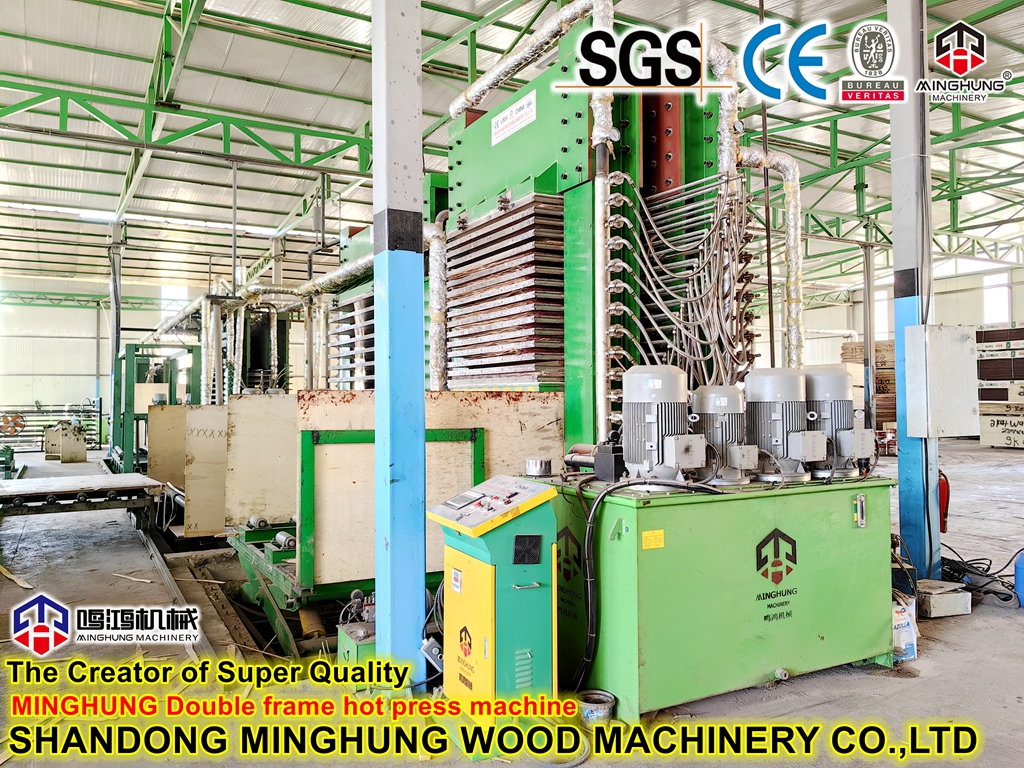
Plywood hot press machines are specialized equipment used to manufacture plywood sheets. These machines apply heat and pressure to layers of wood veneers, bonding them together to form a strong and durable plywood panel. The process involves multiple stages, including preheating, pressing, and cooling, each essential for achieving the desired quality.
Preheating Stage:
Before the pressing stage, the plywood hot press machine preheats the wood veneers. This step ensures that the moisture content is reduced, allowing for better adhesion during the pressing process. By controlling the temperature and humidity, manufacturers can optimize the bonding strength and prevent issues like delamination.
Pressing Stage:
The pressing stage is the heart of the plywood hot press machine. Here, the preheated wood veneers are stacked together with adhesive in between. The machine applies both heat and pressure, activating the adhesive and bonding the veneers tightly. This process typically takes a few minutes, during which the machine maintains consistent pressure and temperature to ensure uniform bonding.
Cooling Stage:
After the pressing stage, the plywood panels undergo a cooling process. This stage is crucial to stabilize the adhesive and solidify the bond between the veneers. The cooling process is carefully controlled to prevent warping or deformation of the plywood sheets. Once cooled, the plywood panels are ready for further processing or distribution.
Factors Influencing Plywood Quality:
The quality of plywood produced by hot press machines depends on several factors. First and foremost is the choice of adhesive. Different adhesives offer varying levels of bonding strength and resistance to moisture and heat. Manufacturers select adhesives based on the intended use of the plywood.
Additionally, the pressing time, pressure, and temperature play vital roles in determining the plywood's quality. Optimal settings ensure a strong bond while avoiding issues like over-pressing or under-pressing. The plywood hot press machine's design and construction also contribute to the overall quality, ensuring precise control over the pressing process.
Benefits of Plywood Hot Press Machines:
Investing in a high-quality plywood hot press machine brings numerous benefits to manufacturers. Firstly, these machines enhance productivity by streamlining the plywood manufacturing process. They offer consistent and efficient bonding, reducing the need for manual labor and minimizing production time.
Moreover, plywood hot press machines enable manufacturers to produce plywood sheets with superior strength and durability. The controlled heat and pressure application ensure uniform bonding throughout the panel, resulting in plywood that can withstand heavy loads and resist warping.
Conclusion:
Plywood hot press machines are the backbone of plywood manufacturing, enabling the production of high-quality plywood sheets. By understanding the various stages and factors influencing the process, manufacturers can optimize their operations and deliver plywood that meets the highest standards. Investing in a reliable and efficient plywood hot press machine is a wise choice for any business involved in plywood production, ensuring consistent quality and customer satisfaction.
The first day of the 2026 Shanghai International Woodworking Machinery Fair – if this morning's keyword was "surprise," then this afternoon's keywords are definitely "explosive" and "confidence"!
This trip to Shanghai was not only a display of products, but also a dissemination of our brand and a connection of emotions. We will continue to stay true to our original aspiration and repay every customer's trust and support with even better products and services. The future is full of promise, and we are always on the way!
The Mid-Autumn Festival is approaching, and the moon is growing round. While many people are beginning to prepare for family reunions, the company’s factory tells a different story: forklifts weaving through the yard, crane arms rising and falling, containers lined up in rows, and loading work proceeding in a tense yet orderly manner.
How to produce Particle board? What is the production step of Making Particle board?Introduction:Particle board, also known as chipboard, is a versatile and cost-effective material widely used in the construction and furniture industries. It is made by compressing wood particles and adhesive togethe
This new facility marks a fresh start for our company. Guided by our enduring commitment to "precision engineering and quality first," we are now better equipped than ever to provide efficient, durable, and innovative machinery solutions for the worldwide wood-based panel industry.