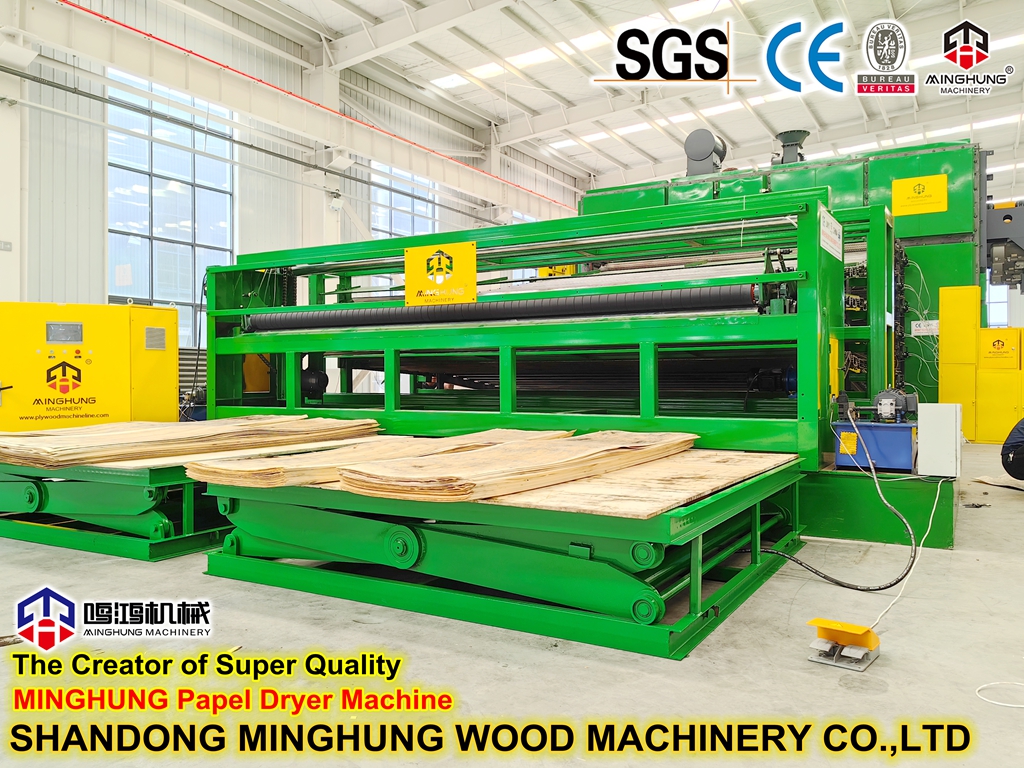
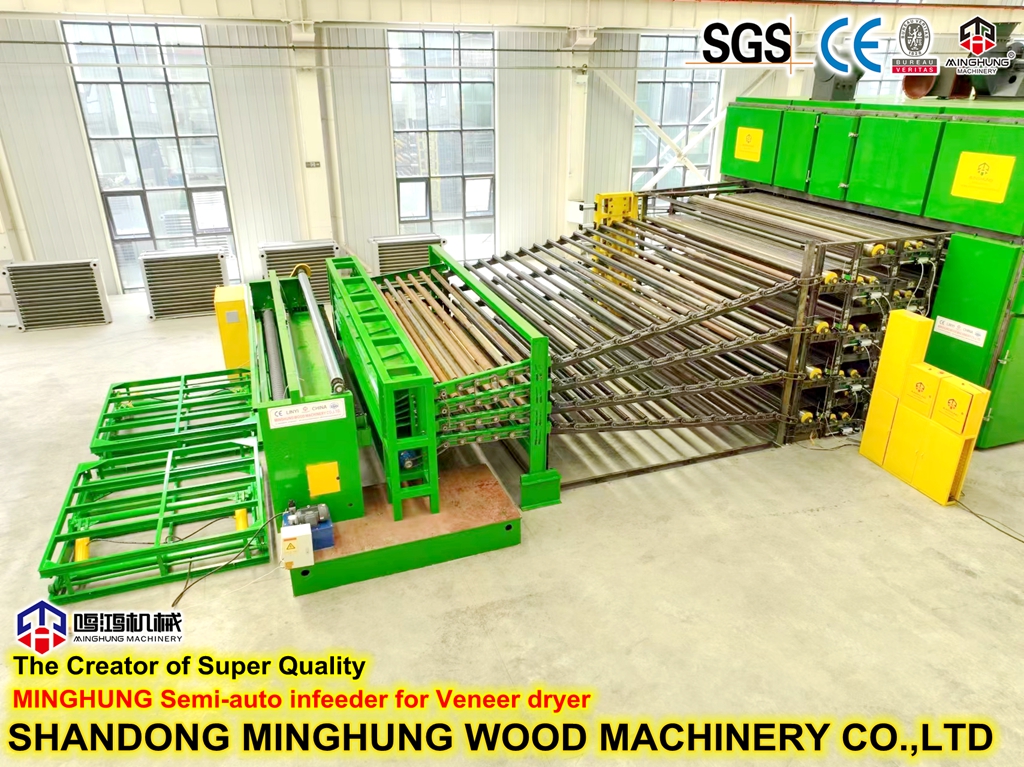
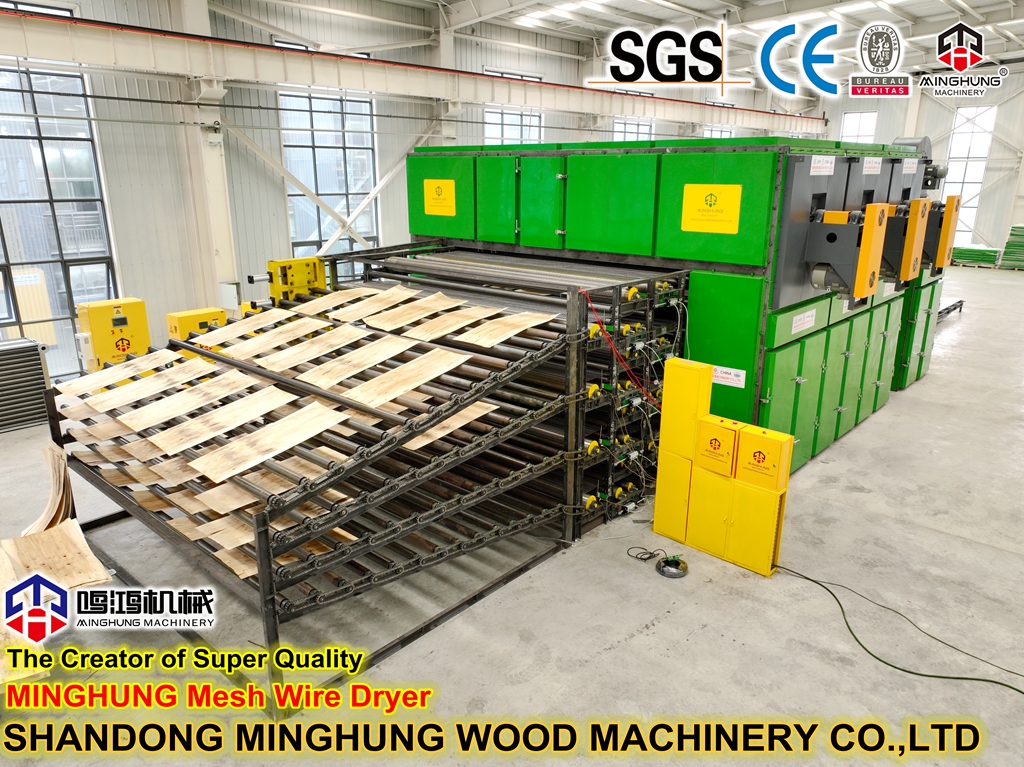
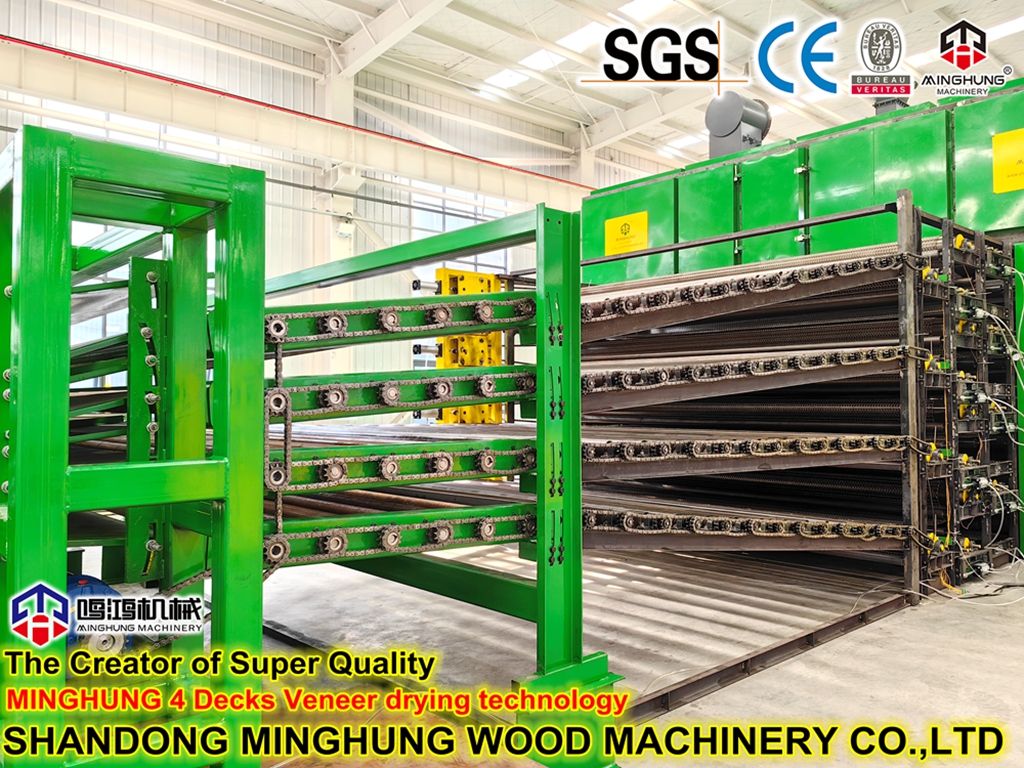
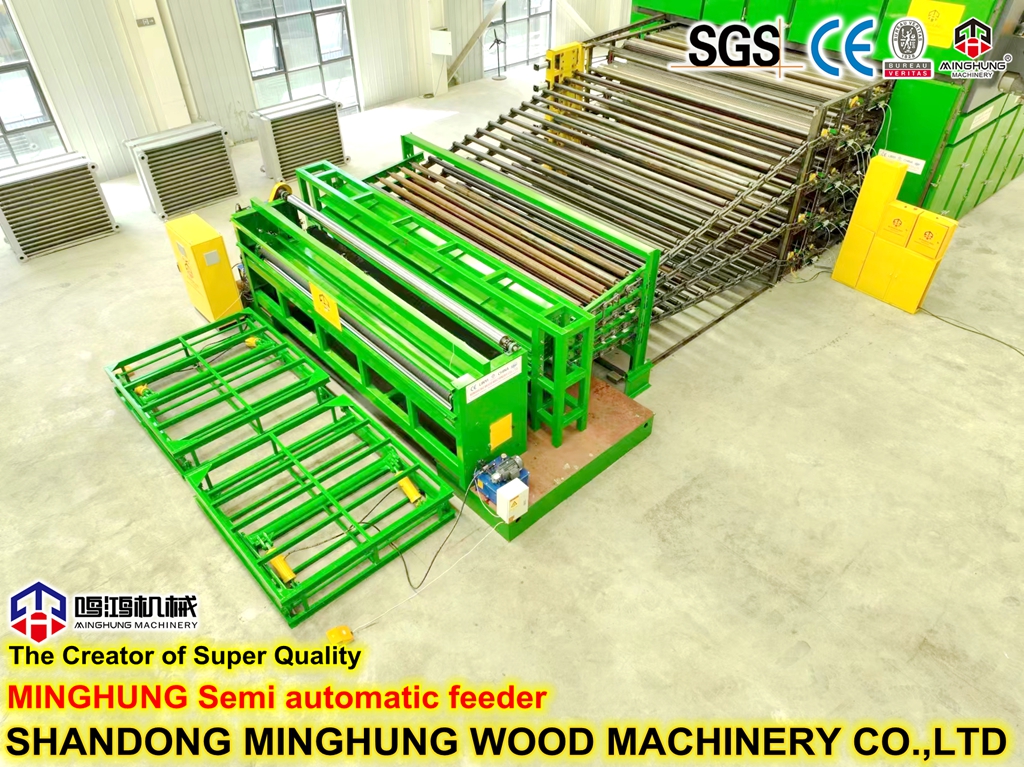
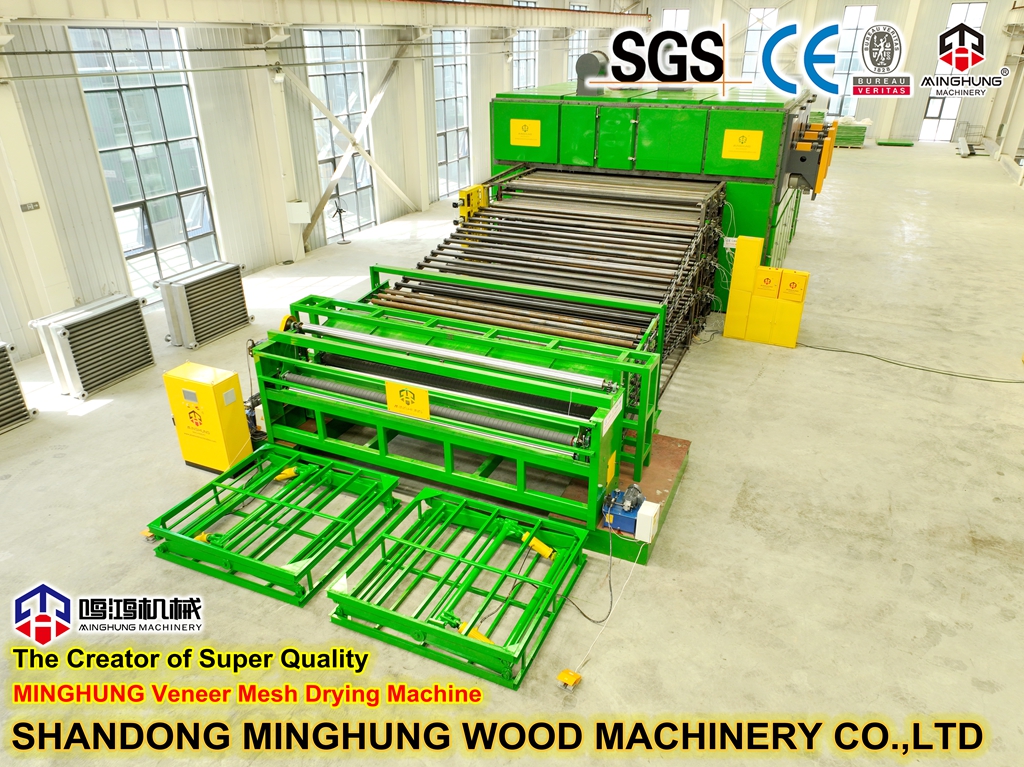
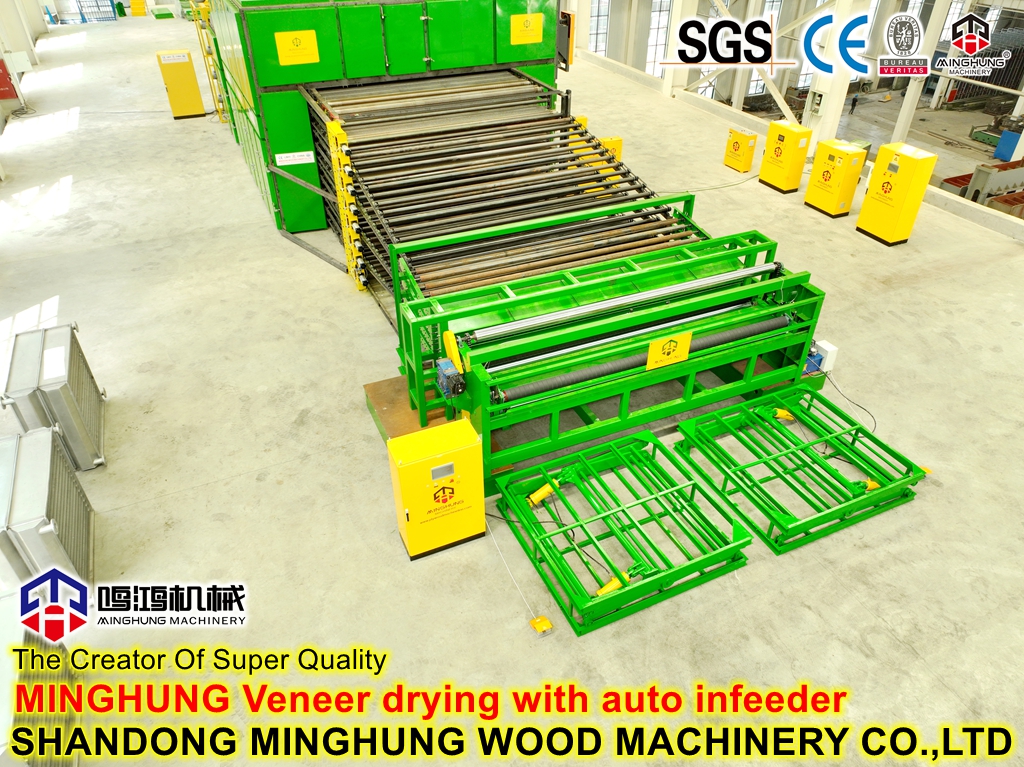
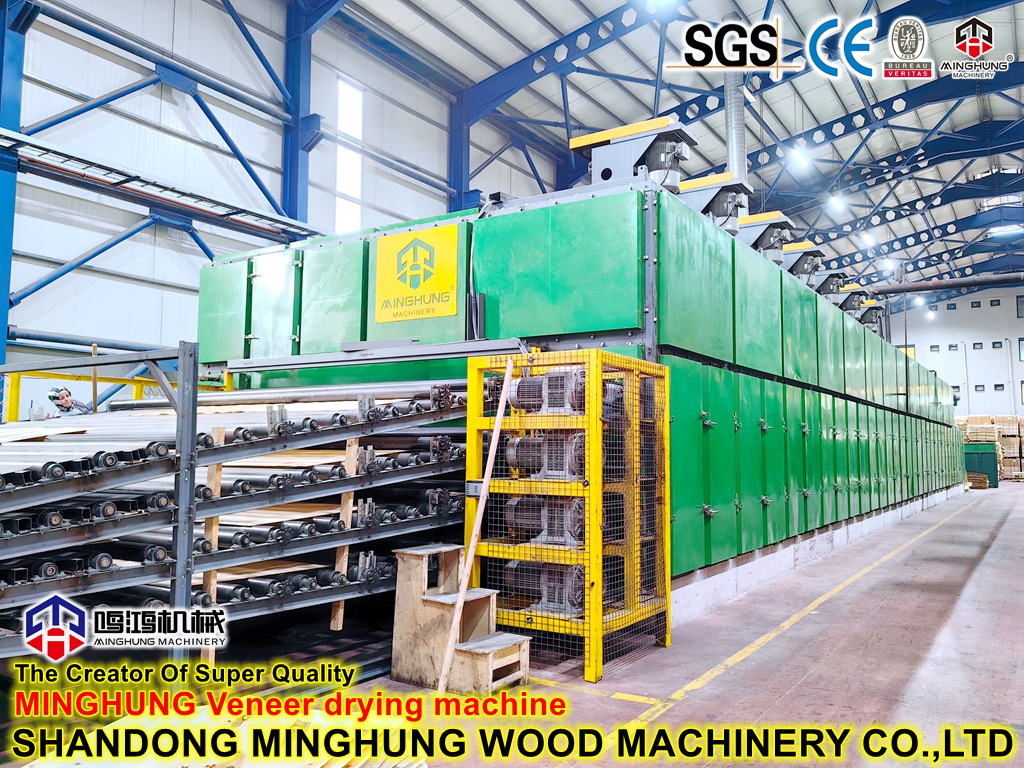
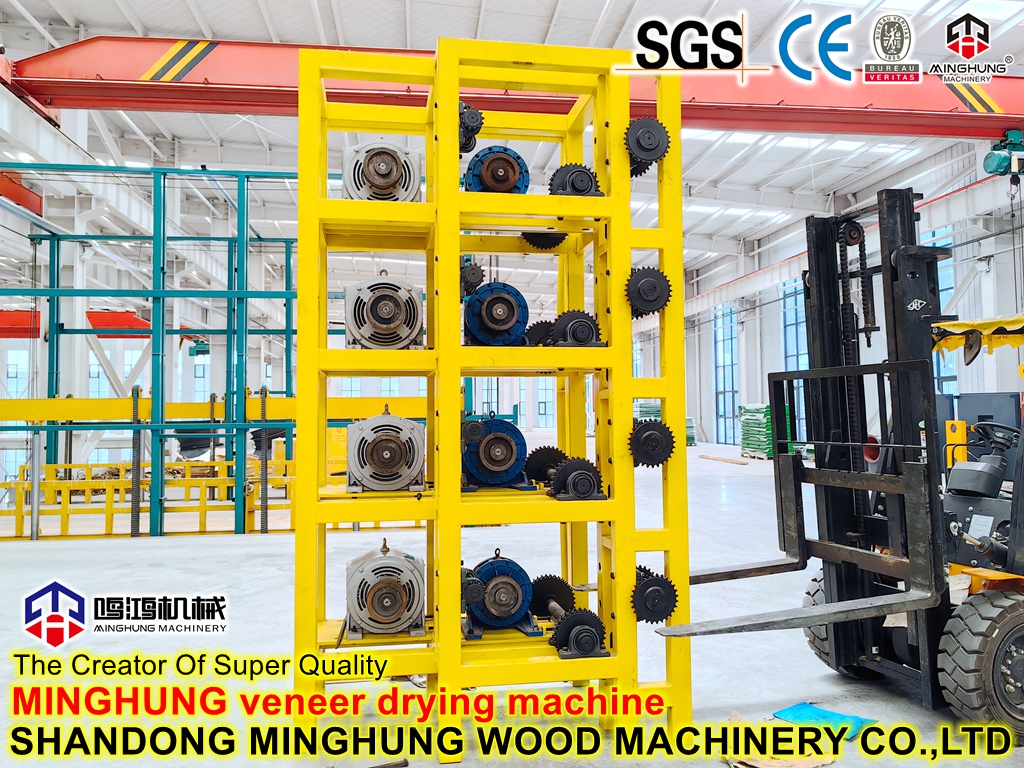
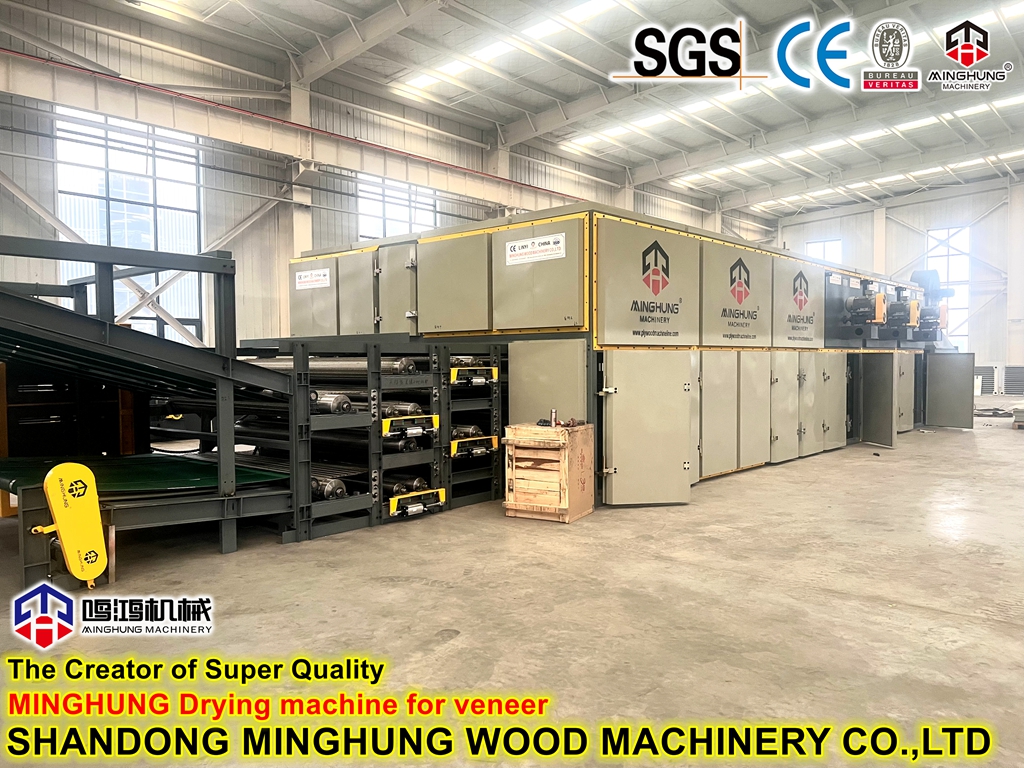
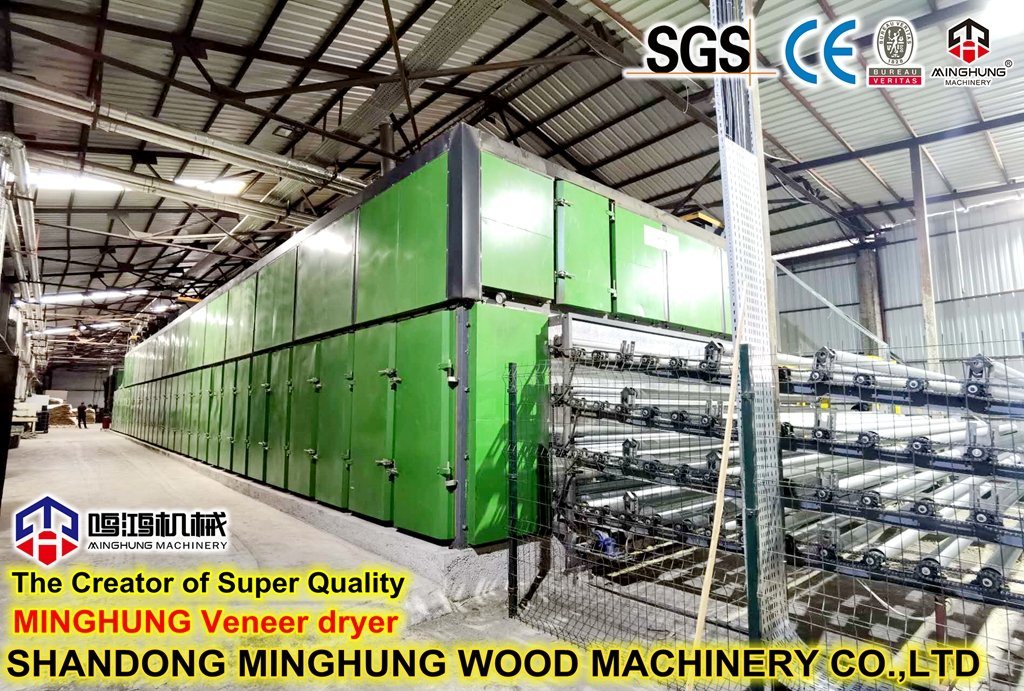
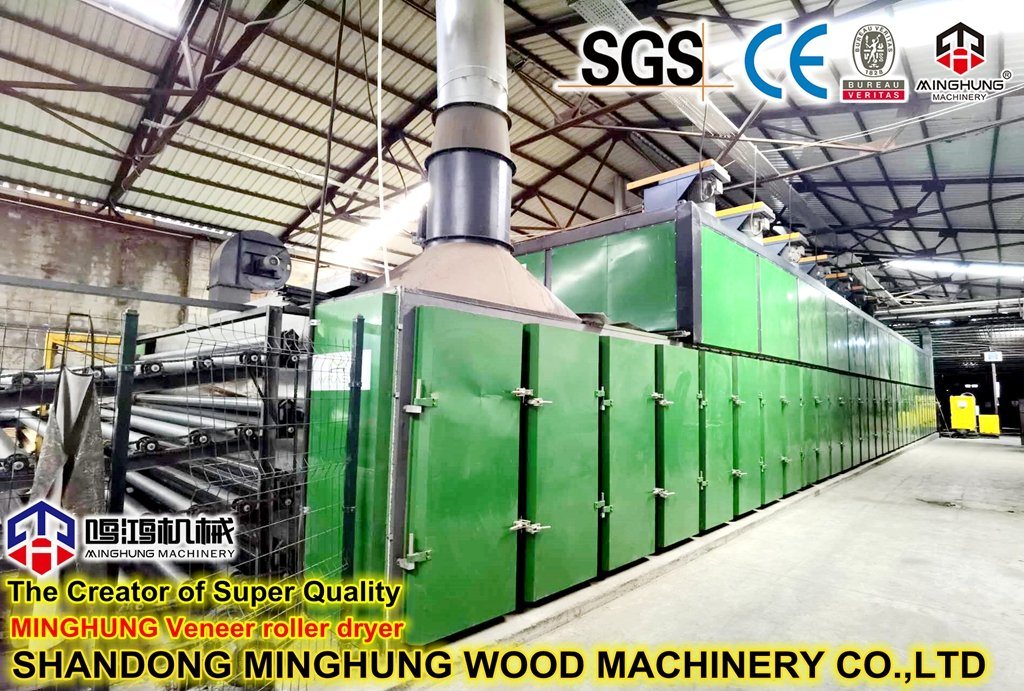
The main components of low-energy plywood drying equipment are as follows:
1. Heating System
Waste-Fired Hot Air Furnace: Core energy-saving component that can use wood waste such as bark, shavings, and offcuts as fuel, eliminating the need for auxiliary equipment like boilers. It is compact, generates high heat output, and can quickly reach the required temperature for drying .
Radiators: Steel-aluminum composite radiators with large heat dissipation area and good wind resistance .
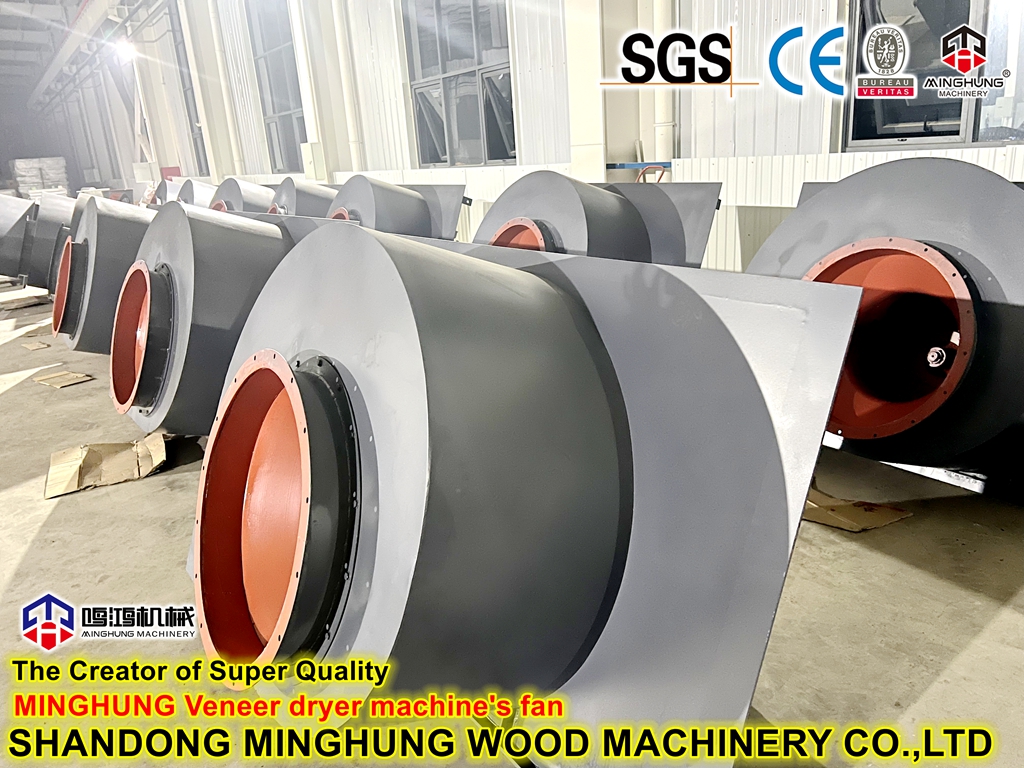
Circulation Fans: High-efficiency centrifugal fans installed on top or sides of the machine, providing large and stable airflow .
2. Conveying System
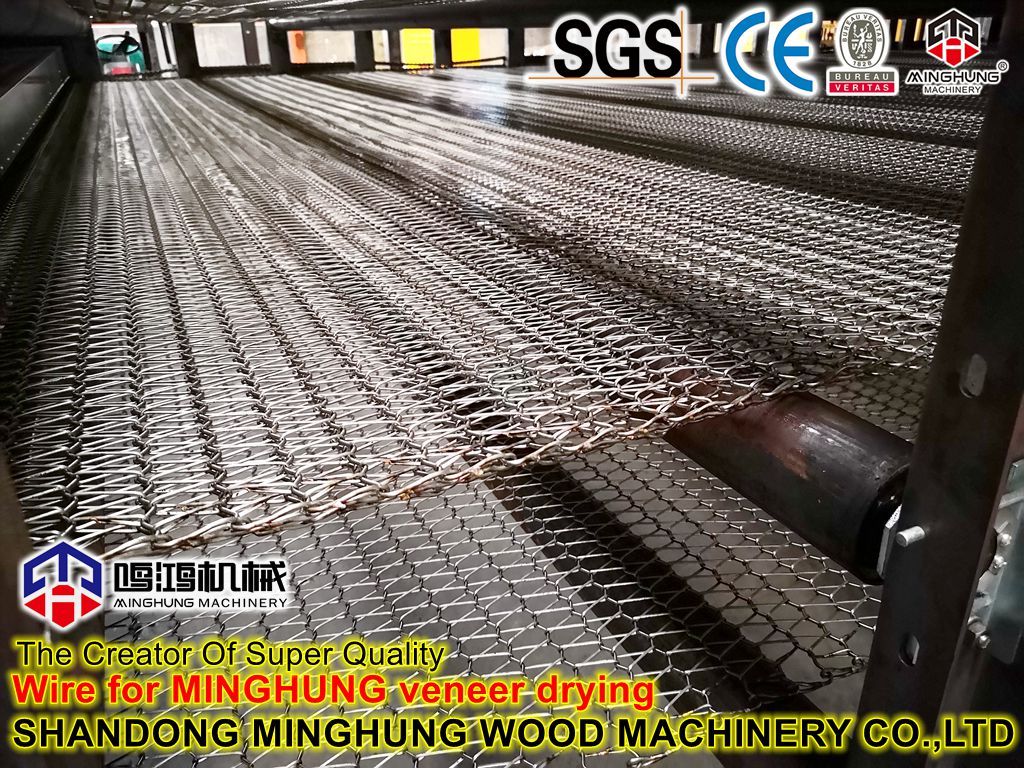
Mesh Belt Device: Stainless steel mesh belts or steel wire rope belts, equipped with infrared photoelectric deviation correction devices to prevent misalignment .
Roller Device: Upper and lower paired rollers that transport veneers through relative rotation while also providing an ironing effect .
Drive Motor: Variable frequency controlled motors for stepless speed adjustment .
3. Drying Chamber
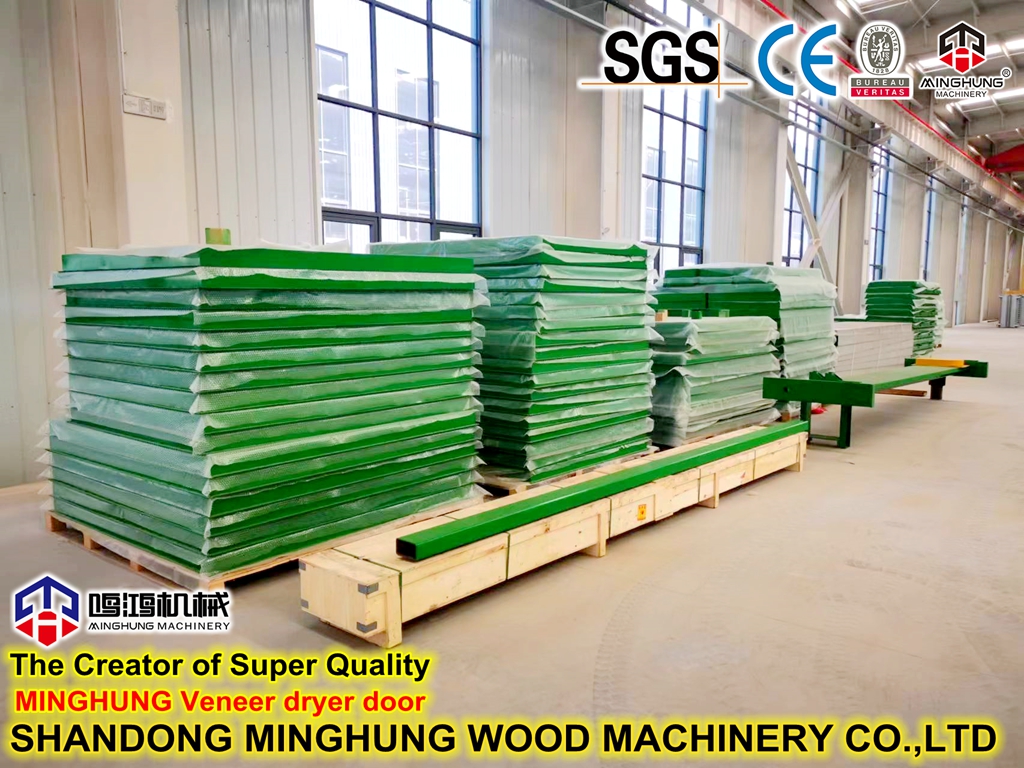
Frame-Type Housing: Sturdy frame structure with veneer inlet and outlet .
Insulation Layer: 80-100mm thick insulation material minimizing heat loss for significant energy savings .
Heating Sections: Segmented design, each section 2-3 meters long, customizable based on capacity requirements .
4. Air Jet System
Jet Boxes/Nozzles: Precisely designed air jet boxes that evenly spray hot air onto veneer surfaces .
Air Ducts: Specially designed blow pipes ensuring uniform airflow distribution .
5. Control System
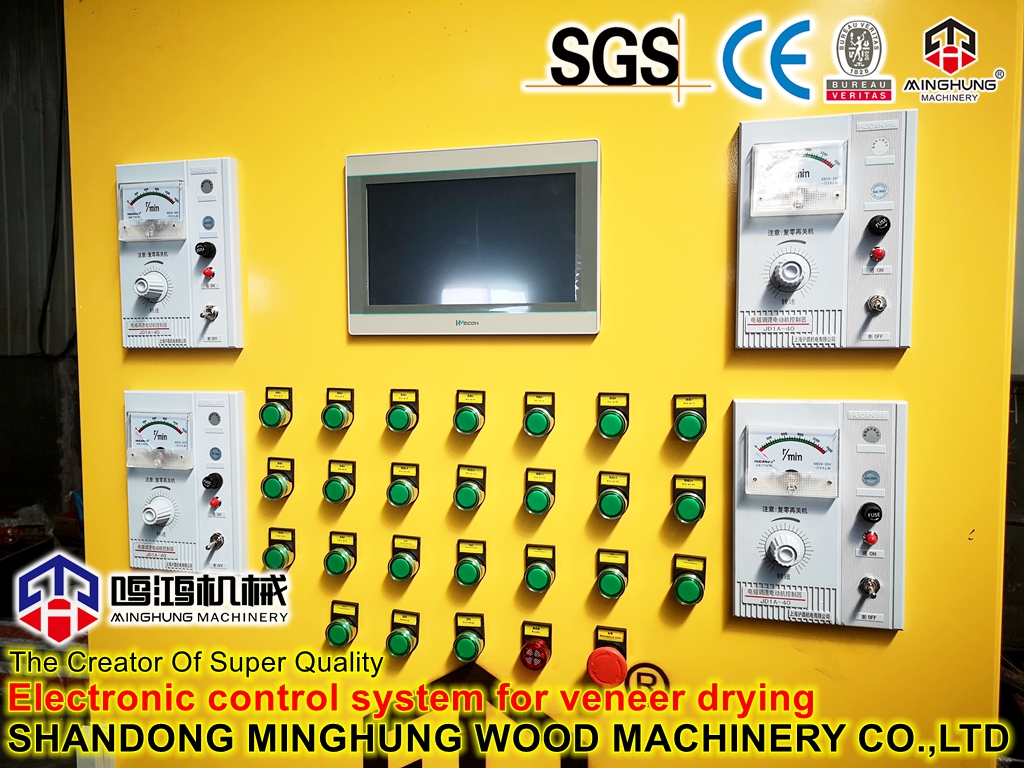
Control Cabinet: Fully automatic computer control system or PLC control .
Frequency Inverter: Internationally renowned brand inverters for precise speed control .
Sensors: Temperature sensors and humidity sensors for real-time drying monitoring.
6. Moisture Exhaust System
Exhaust Fans: Timely removal of evaporated moisture from the machine.
Exhaust Channels: Specially designed channels ensuring smooth moisture discharge .
7. Cooling System
Cooling Fans: Installed in the cooling zone for cooling and setting dried veneers .
Matching Upstream and Downstream Machinery
Low-energy plywood drying equipment works in conjunction with the following machinery in a plywood production line:
Upstream Equipment (Before Drying)
1. Rotary Lathe: Peels logs into continuous or fixed-size veneers.
2. Slicer: Slices precious wood species into thin veneers.
3. Clipper/Guillotine: Cuts continuous veneers into required sizes (for cut-before-dry process).
4. Veneer Splicer: Joins small veneer pieces into large sheets.
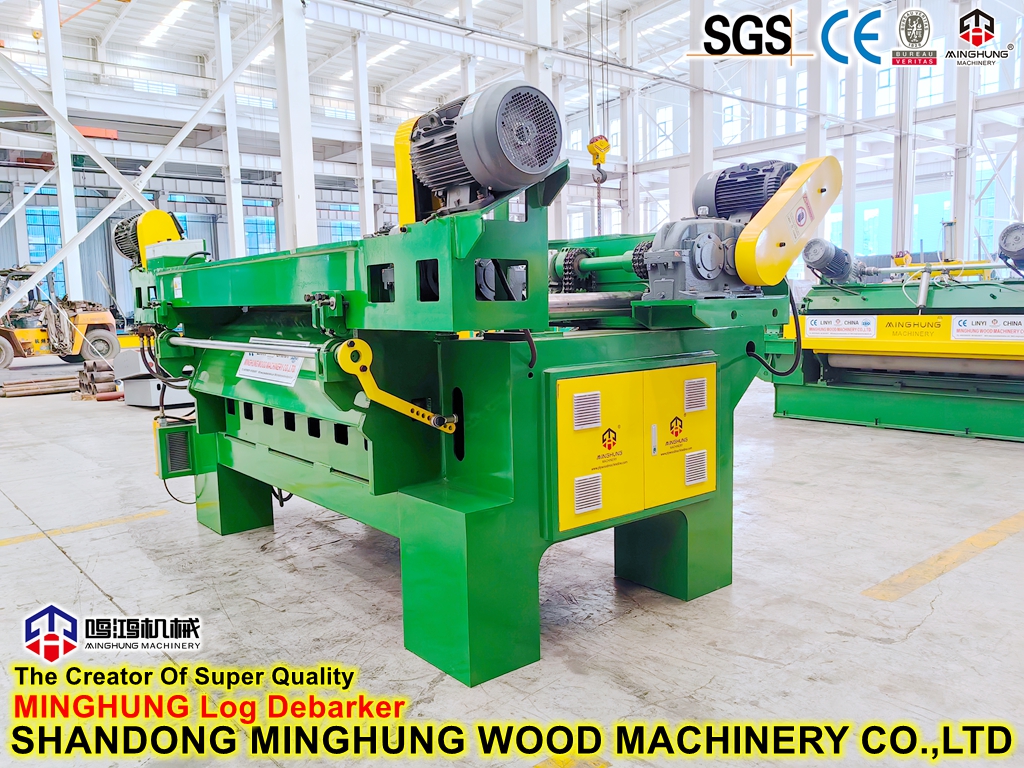
Downstream Equipment (After Drying)
1. Veneer Cutter: Cuts dried continuous veneers into specification sizes (for dry-before-cut process).
2. Veneer Splicer/Patching Machine: Splices dried veneers or repairs defects.
3. Glue Spreader: Applies glue to qualified dried veneers.
4. Lay-up Machine: Arranges glued veneers according to grain direction.
5. Cold Press: Pre-presses the assembled veneer stack for initial bonding.
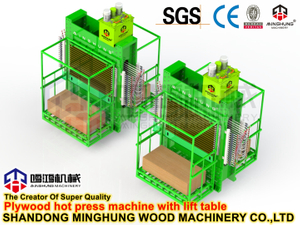
6. Hot Press: Hot-presses the veneer stack into finished plywood.
7. Edge Trimmer: Trims rough edges of hot-pressed panels.
8. Sander: Sands the plywood surfaces for smooth finish.
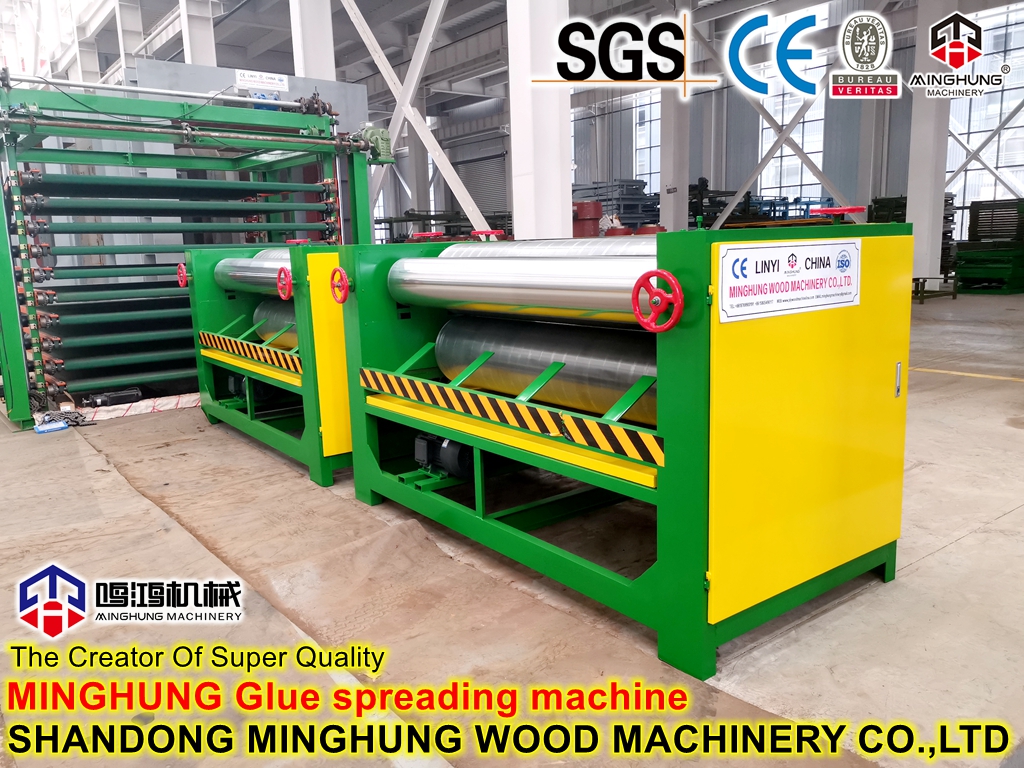
Glue Spreader
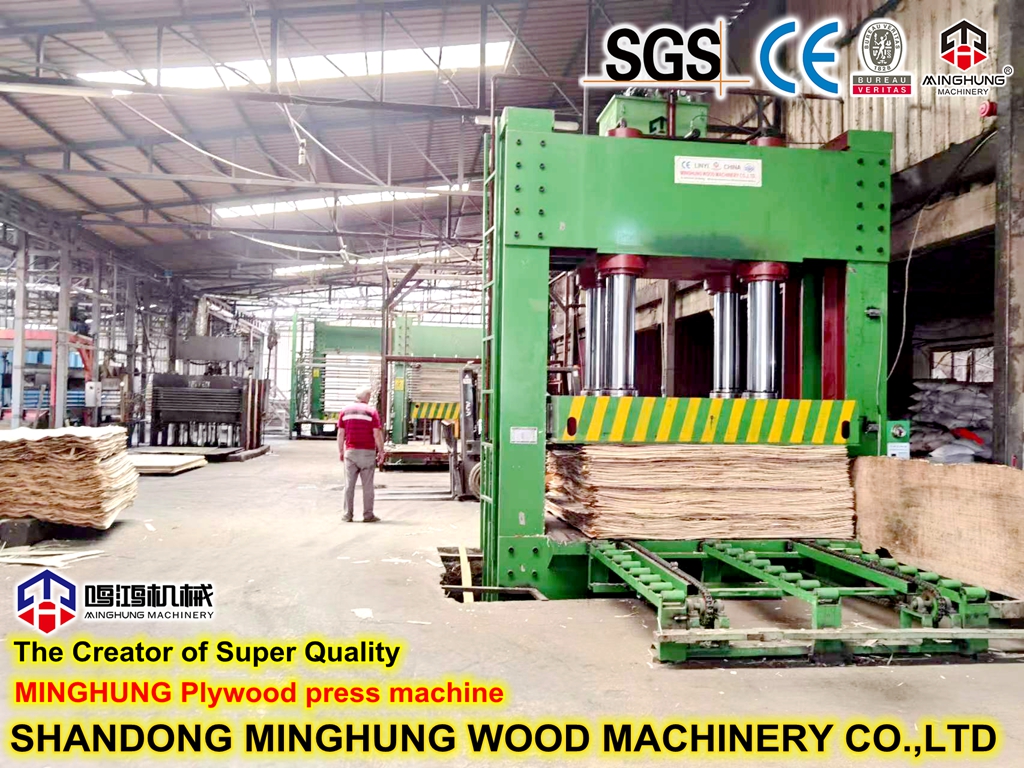
Cold Press
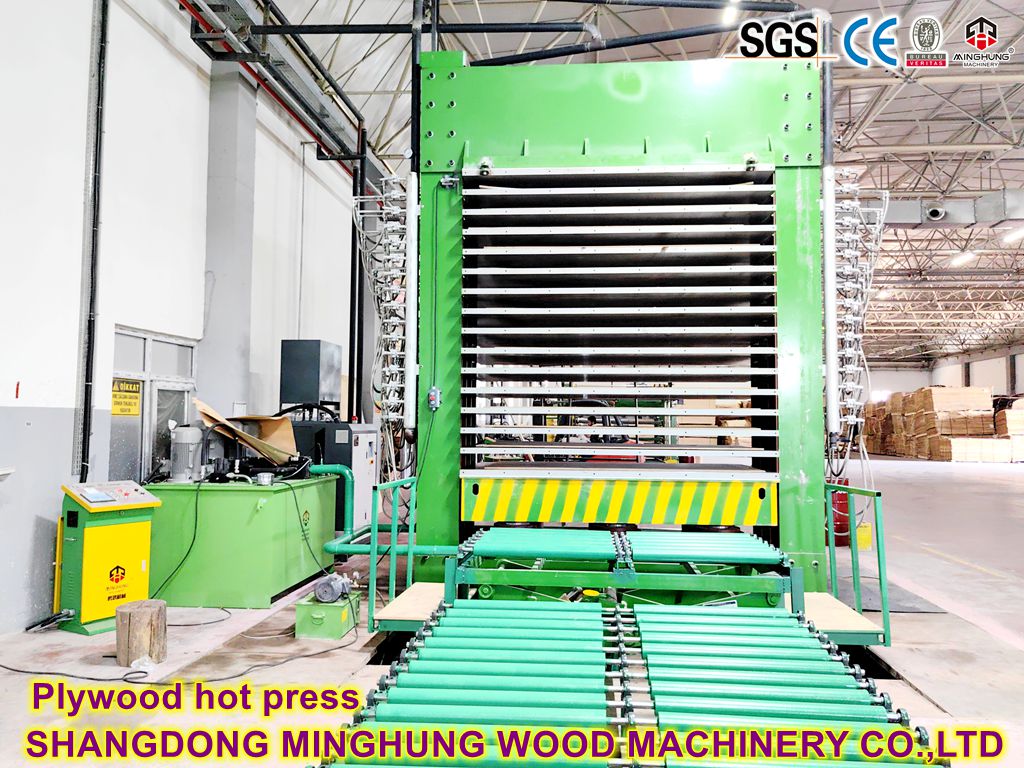
Hot Press
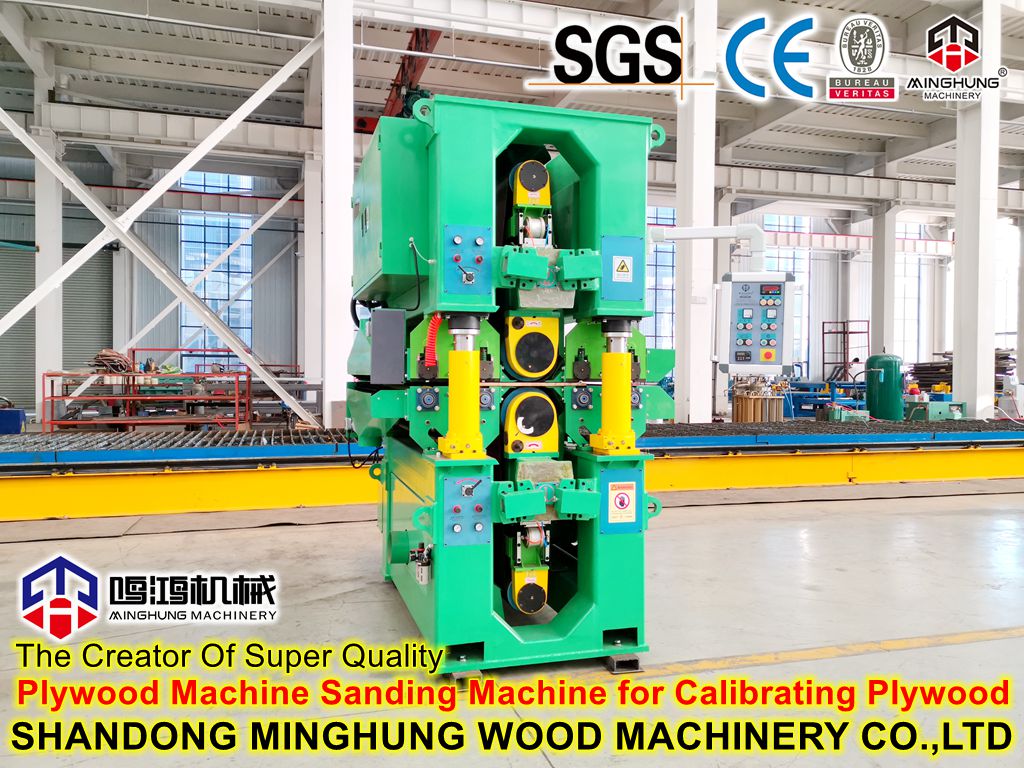
Sander
Supporting Energy Equipment (Optional)
1. Thermal Oil Heater: Provides high-temperature thermal oil as a heat source .
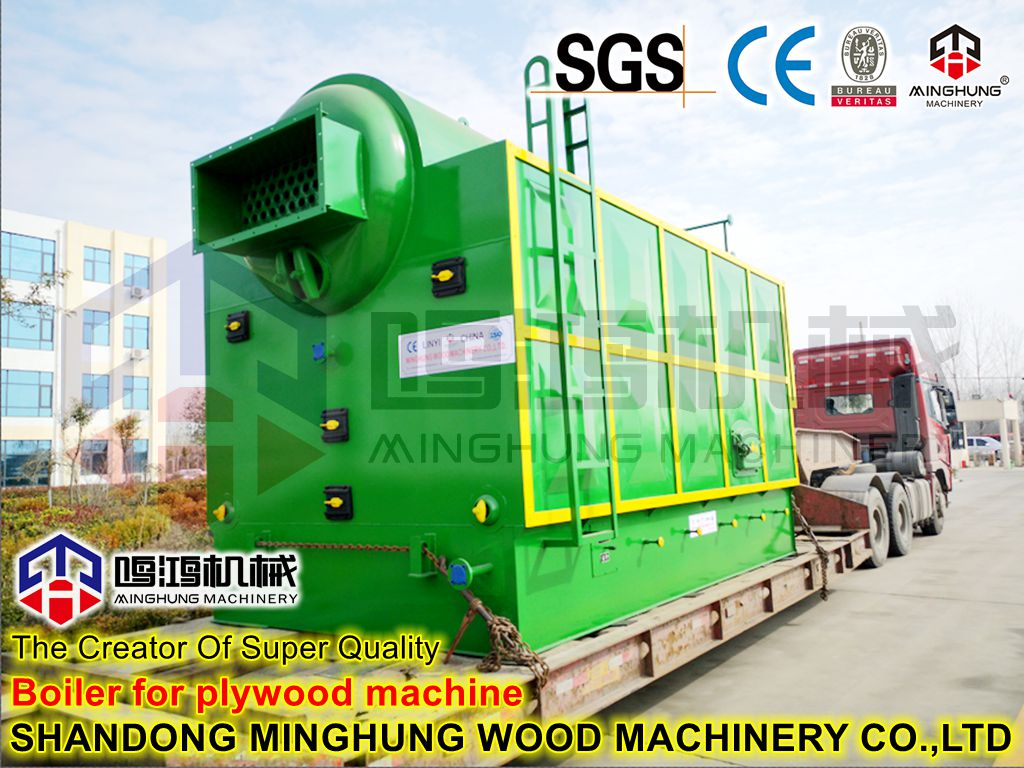
2. Steam Boiler: Provides saturated steam as a heat source .
3. Waste Conveying System: Automatically conveys wood processing waste to the hot air furnace.
We provide comprehensive after-sales service support to our customers:
1. Installation and Commissioning
Dispatch professional technicians to the customer's site for equipment installation and commissioning until the equipment operates normally .
Provide detailed installation drawings and technical guidance.
2. Operation Training
Provide comprehensive equipment operation training for customer operators.
Explain daily maintenance and care knowledge.
Provide operation manuals and maintenance guides.
3. Warranty Service
One-year full machine warranty: Free spare parts and repair service for quality issues within one year .
Extended warranty options for key components (fans, motors, control systems).
4. Technical Support
24-hour online service: Technical support via phone, email, and video .
Remote diagnosis and guidance for quick problem resolution.
Regular customer visits to monitor equipment performance.
5. Spare Parts Supply
Maintain inventory of common spare parts to ensure timely supply .
Provide genuine original spare parts to guarantee equipment performance.