Views: 0 Author: Mark Zhai Publish Time: 2023-12-09 Origin: original
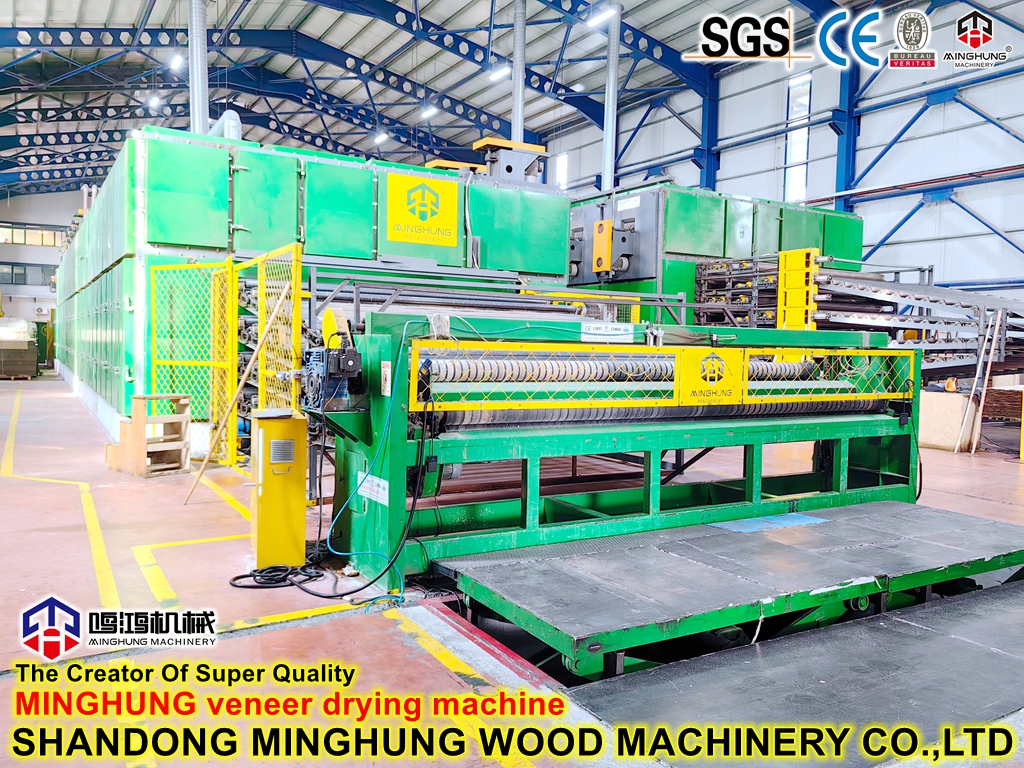
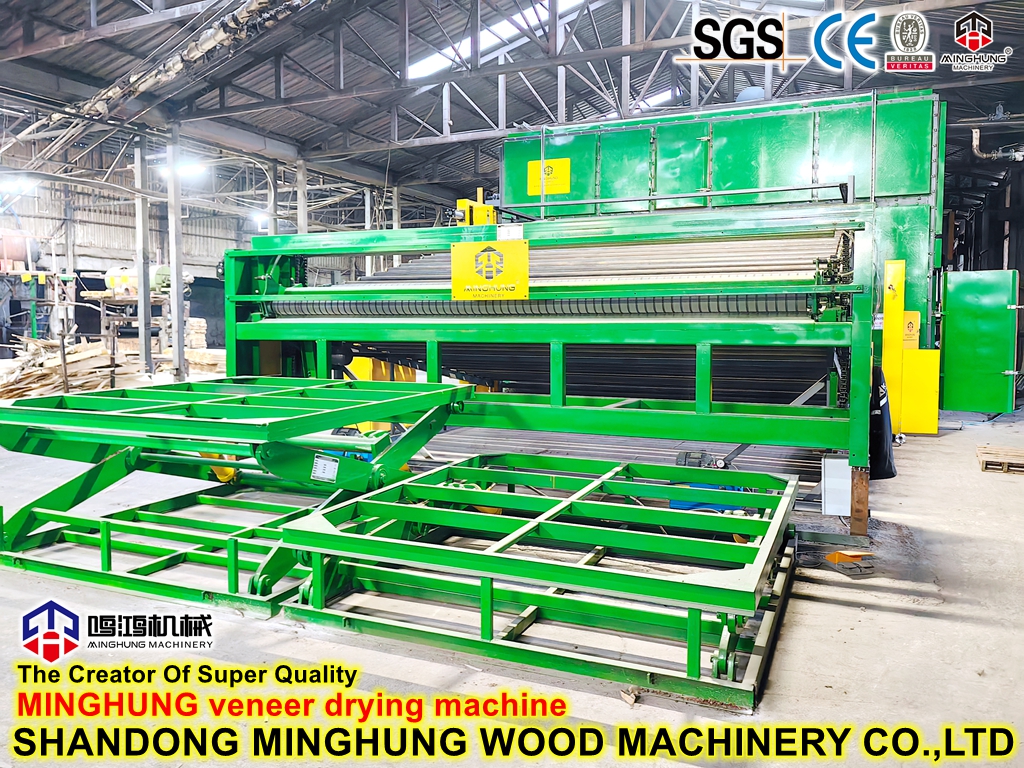
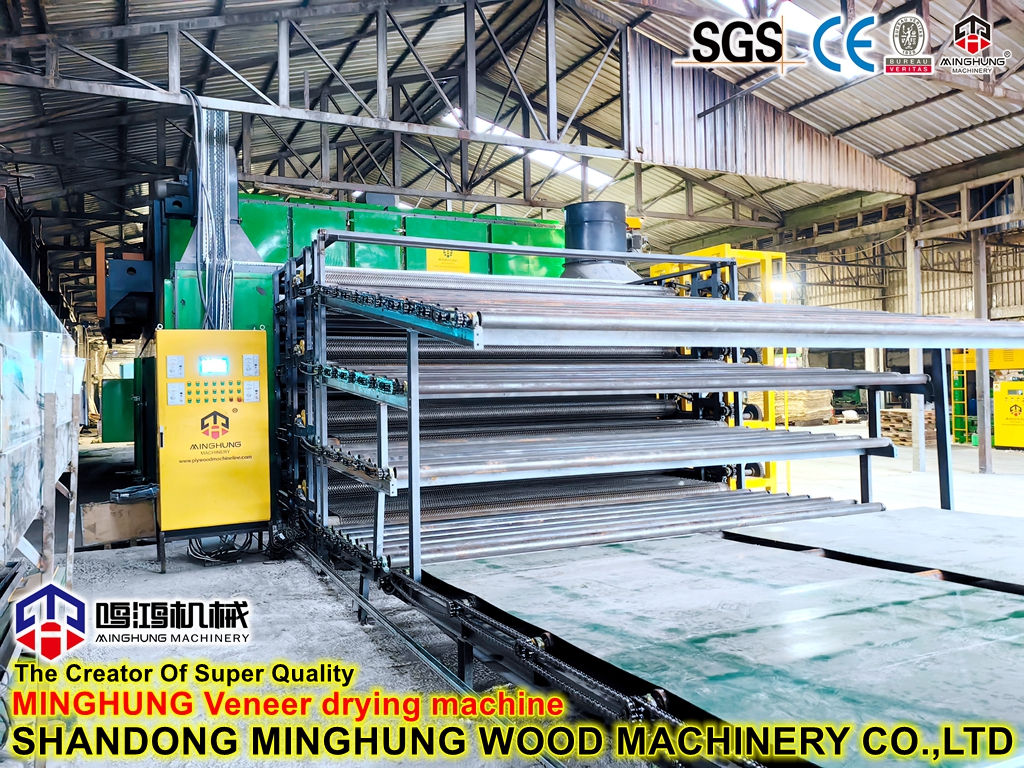
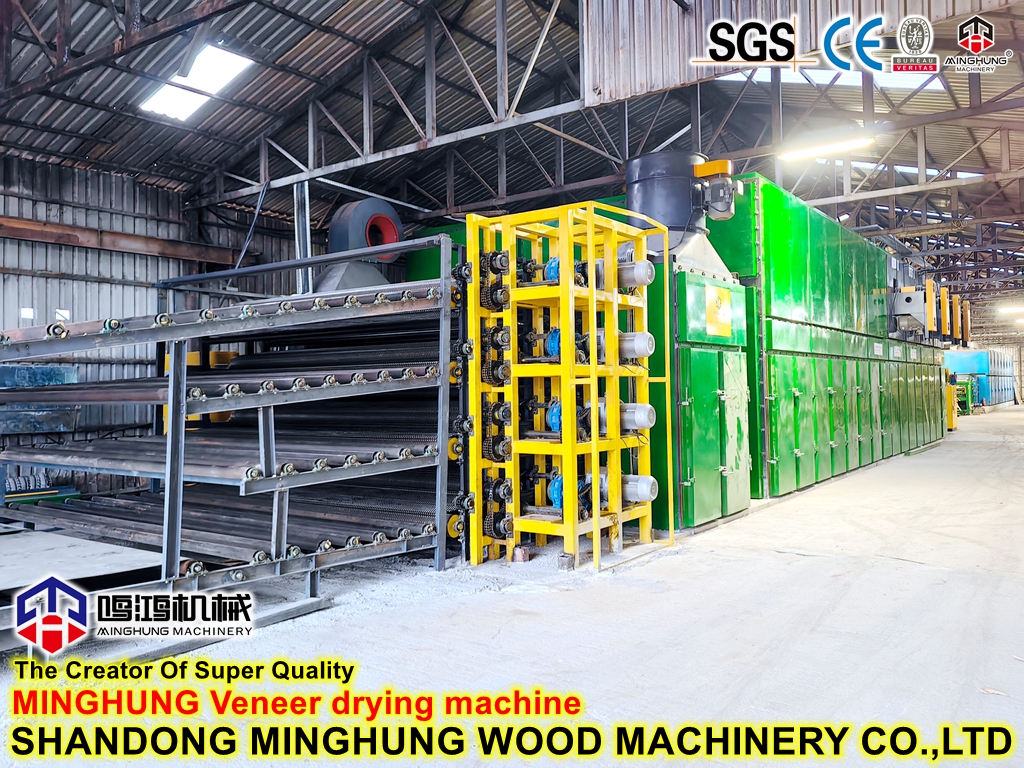
Veneer Dryer Veneer Drying
Veneer drying plays a crucial role in the production of high-quality plywood. As the foundation of this versatile material, properly dried veneer ensures stability, strength, and durability. In this article, we will explore the various techniques used in veneer drying and their significance in the plywood manufacturing process.
Veneer Dryer
1.Veneer Dryer: A Game-Changer in Plywood Production
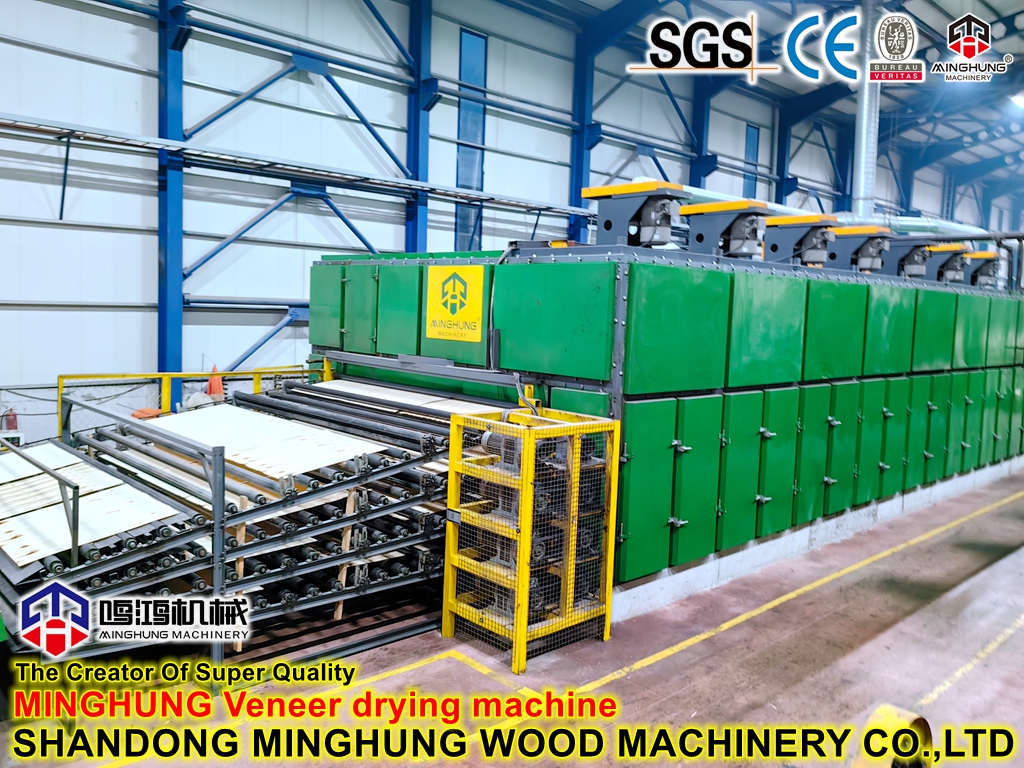
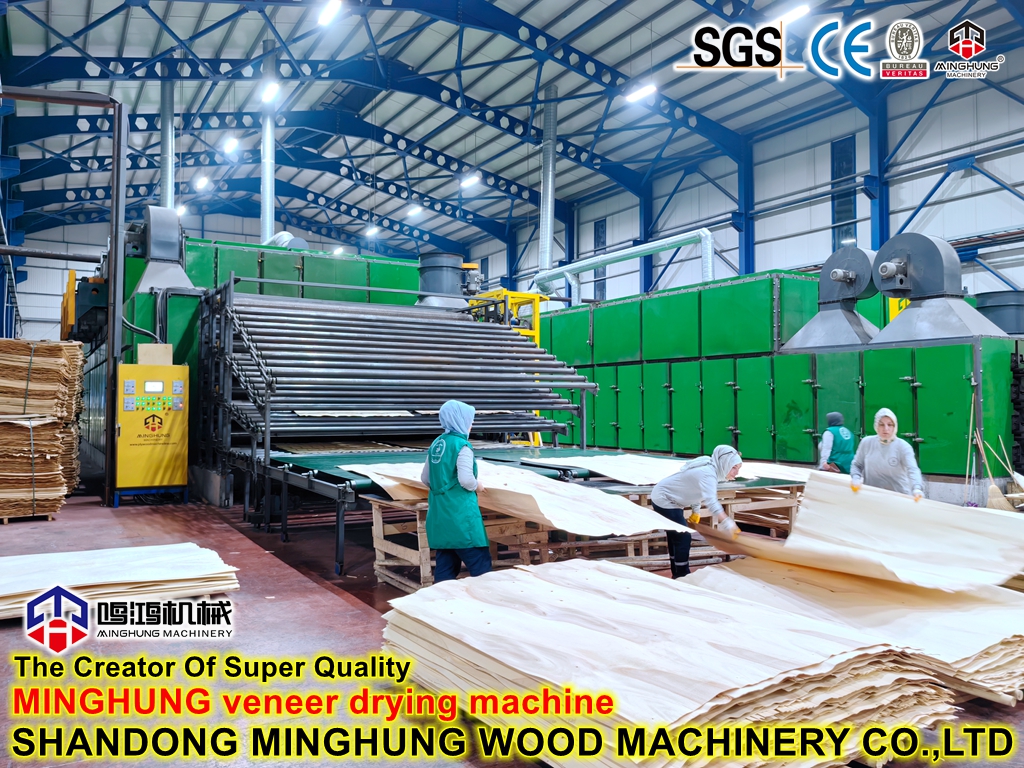
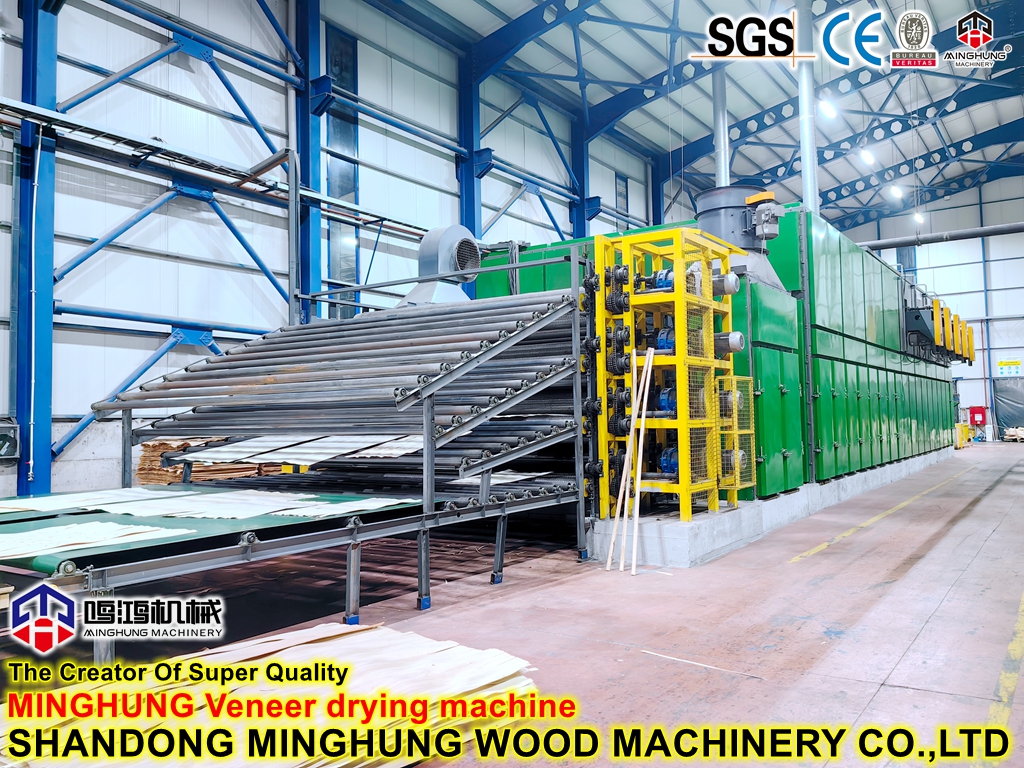
The veneer dryer is a revolutionary piece of equipment that has transformed the plywood manufacturing industry. With its efficient and controlled drying capabilities, it ensures the veneer's moisture content is reduced to the optimal level, preventing warping, cracking, and other defects.
2. Veneer Roller Dryer: A Versatile Drying Option
One widely used technique in veneer drying is the veneer roller dryer. This method involves passing the veneer through a series of heated rollers, which gradually remove moisture from the wood. The controlled pressure and temperature in this process ensure uniform drying and minimize the risk of damage to the veneer.
3. Mesh Veneer Dryer: Ensuring Consistency and Quality
Another popular technique is the mesh veneer dryer. In this method, the veneer is placed on a mesh conveyor belt and subjected to hot air circulation. The mesh allows for even distribution of heat, ensuring consistent drying throughout the veneer. This technique is particularly effective for thin veneers, as it minimizes the risk of warping or distortion.
4. Importance of Proper Veneer Drying
Properly dried veneer is essential for the production of high-quality plywood. It not only enhances the plywood's structural integrity but also reduces the risk of defects such as delamination and dimensional instability. Additionally, well-dried veneer allows for better glue adhesion, resulting in a stronger bond between the layers of plywood.
5. Factors Affecting Veneer Drying
Several factors influence the veneer drying process, including the species of wood, initial moisture content, drying temperature, and airflow. Each wood species has unique characteristics that require specific drying conditions to achieve optimal results. Additionally, controlling these factors helps prevent over-drying or under-drying, ensuring the veneer retains its desired properties.
6. Quality Control in Veneer Drying
To ensure the highest quality plywood, manufacturers implement stringent quality control measures during the veneer drying process. Regular moisture content testing, visual inspections, and adherence to industry standards are essential to identify and rectify any issues promptly. This attention to detail guarantees that only the finest veneer is used in plywood production.
Conclusion:
Veneer drying is a critical step in the manufacturing of plywood. By employing advanced techniques such as veneer roller dryers and mesh veneer dryers, manufacturers can achieve consistent and high-quality results. Properly dried veneer enhances the structural integrity of plywood, reduces defects, and ensures a strong bond between layers. With meticulous quality control measures in place, the veneer drying process paves the way for exceptional plywood products that meet the demands of various industries.
The first day of the 2026 Shanghai International Woodworking Machinery Fair – if this morning's keyword was "surprise," then this afternoon's keywords are definitely "explosive" and "confidence"!
This trip to Shanghai was not only a display of products, but also a dissemination of our brand and a connection of emotions. We will continue to stay true to our original aspiration and repay every customer's trust and support with even better products and services. The future is full of promise, and we are always on the way!
The Mid-Autumn Festival is approaching, and the moon is growing round. While many people are beginning to prepare for family reunions, the company’s factory tells a different story: forklifts weaving through the yard, crane arms rising and falling, containers lined up in rows, and loading work proceeding in a tense yet orderly manner.
How to produce Particle board? What is the production step of Making Particle board?Introduction:Particle board, also known as chipboard, is a versatile and cost-effective material widely used in the construction and furniture industries. It is made by compressing wood particles and adhesive togethe
This new facility marks a fresh start for our company. Guided by our enduring commitment to "precision engineering and quality first," we are now better equipped than ever to provide efficient, durable, and innovative machinery solutions for the worldwide wood-based panel industry.