Plywood Manufacturing Process
Presentation:
Plywood, a flexible structure material known for its solidarity and toughness, is generally utilized in development, furniture producing, and different ventures. In any case, have you at any point thought about how plywood is made? In this article, we will dig into the unpredictable course of plywood fabricating, uncovering the means associated with its creation.
1. Obtaining the raw materials-timber wood:
The most important phase in the plywood fabricating process is obtaining the wood resource. Normally, plywood is produced using meager layers of wood facade, which are acquired from different tree species like birch, oak, or pine. These facade are painstakingly chosen to guarantee they have the ideal characteristics, like strength and consistency.
2. Stripping the Logs:
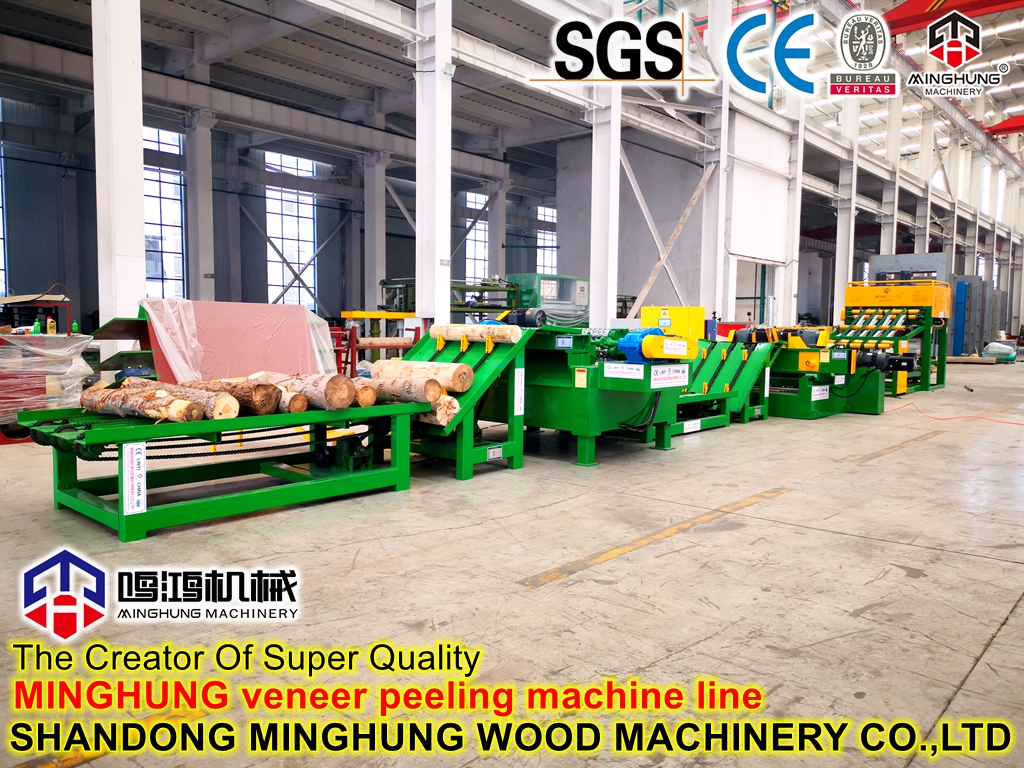
When the proper wood species have been chosen, the logs are moved to the plywood factory. Here, the logs go through an interaction called stripping or peeling or slicing, where a peeling machine strips the logs into veneer sheets. These sheets, known as veneer, are then prepared for additional handling.
3. Arranging and Drying:
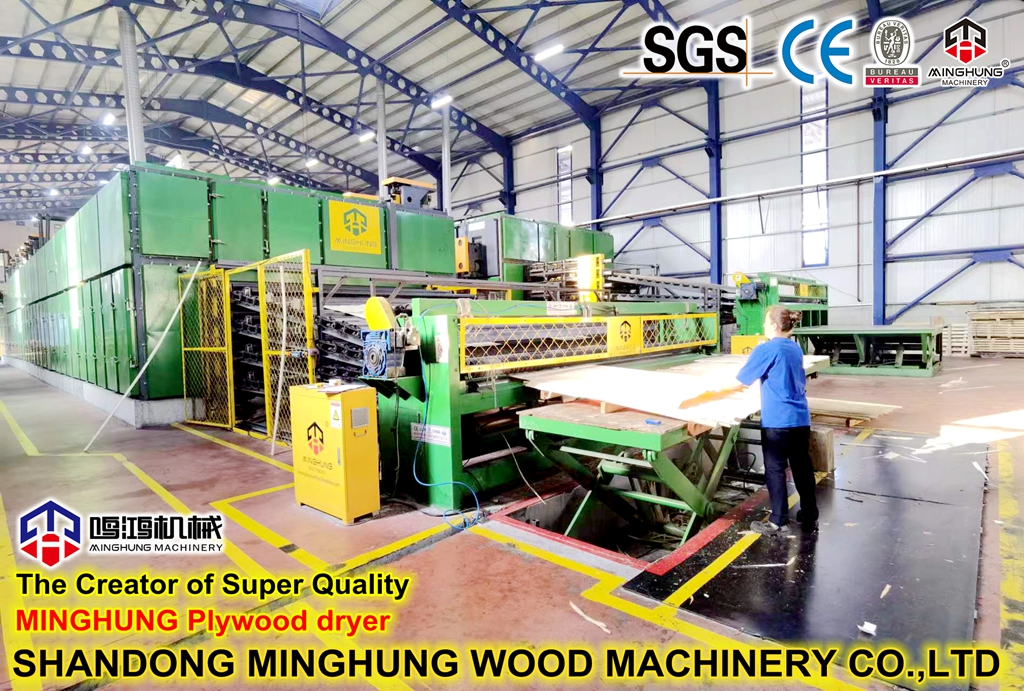
Subsequent to stripping, the veneer are arranged in light of their thickness, quality, and appearance. This step guarantees that hands down the best veneer are utilized in the assembling system. The arranged veneer are then exposed to a drying cycle, which lessens their dampness content. This is vital to forestall distorting or delamination of the pressed wood sheets.
4. Sticking the veneers:
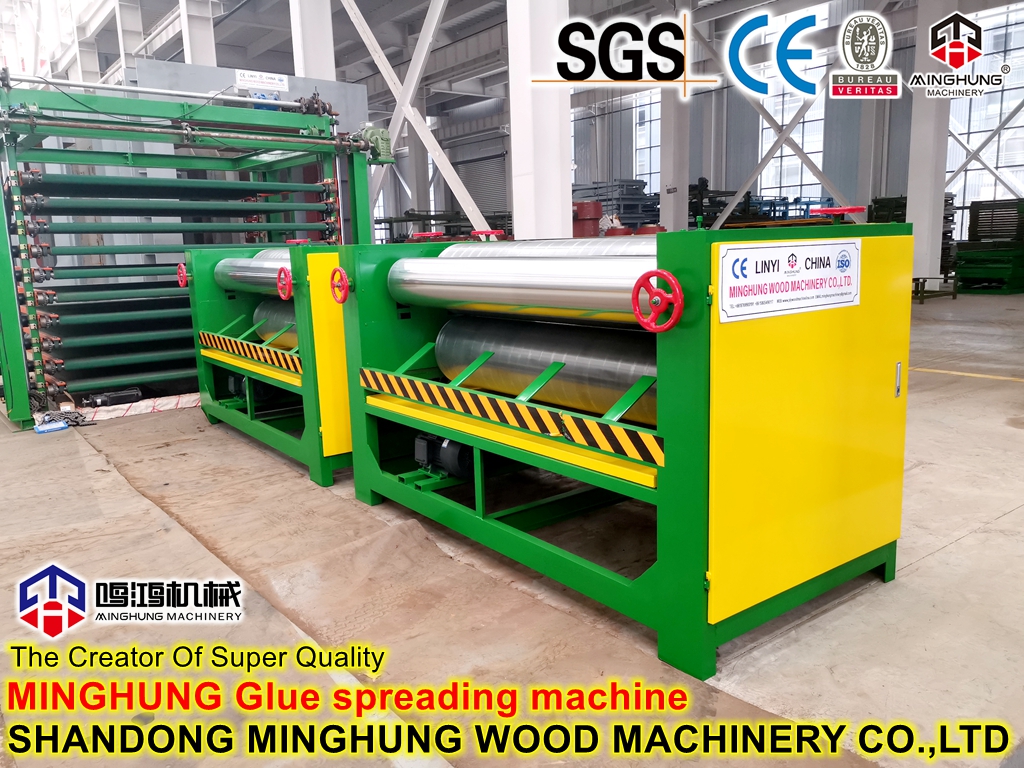
When the veneers are dried, they are fit to be stuck together. The paste utilized in plywood fabricating is normally a kind of gum, like phenol formaldehyde or urea formaldehyde. The veneers are painstakingly stacked, with each layer's grain course exchanging to improve the plywood's solidarity and steadiness.
5. Squeezing and Holding:
Name1
Name2
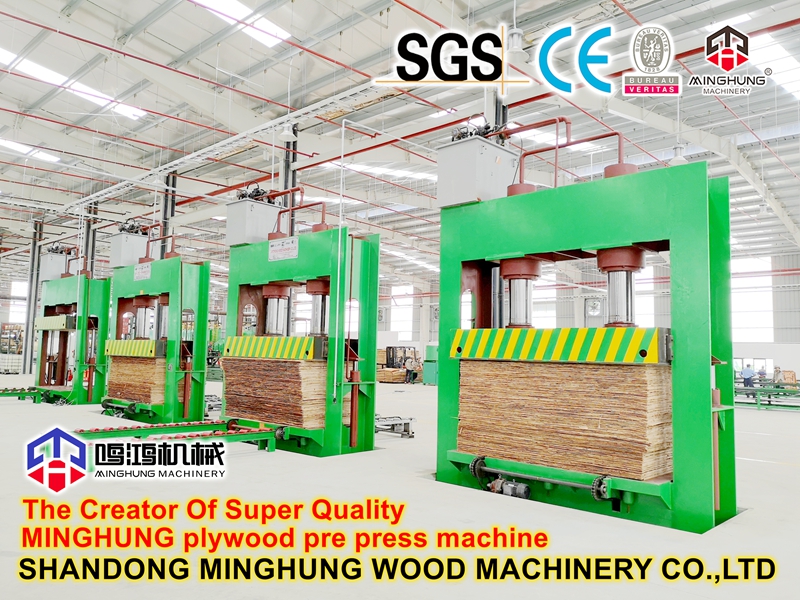
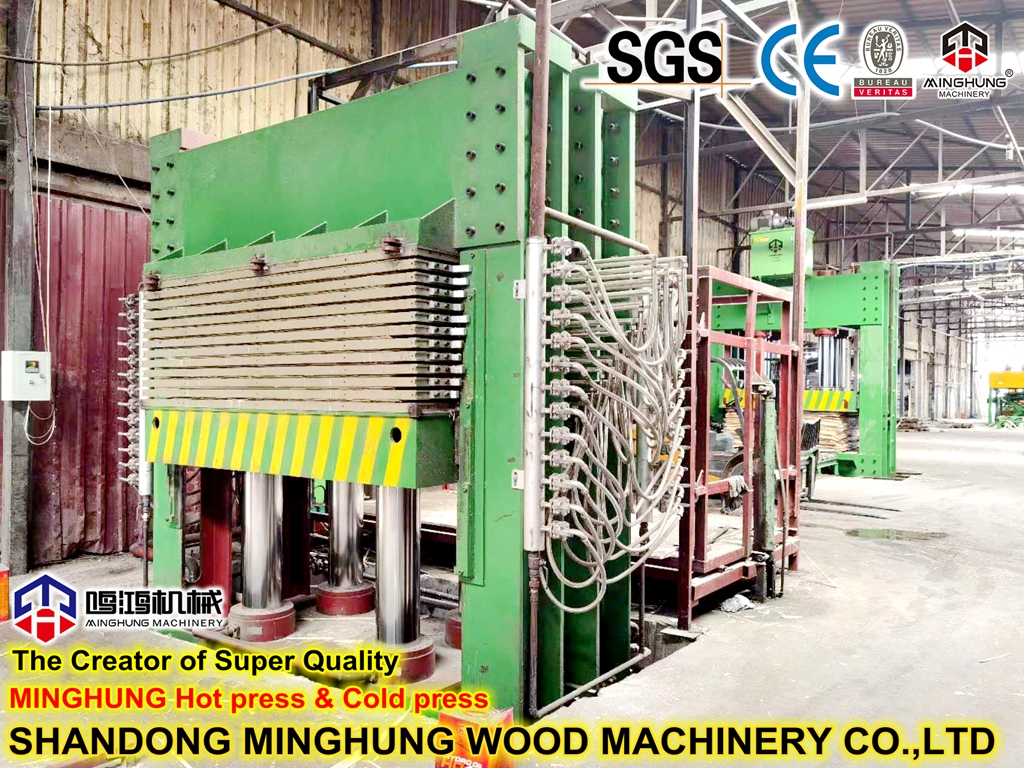
To guarantee major areas of strength for a between the veneer, the stacked layers are set into a water powered press. The press applies intensity and tension, making the paste fix and bond the veneer together. This cycle, known as hot squeezing, makes a strong and solid compressed wood board.
6. Managing and Sanding:
Name1
Name2
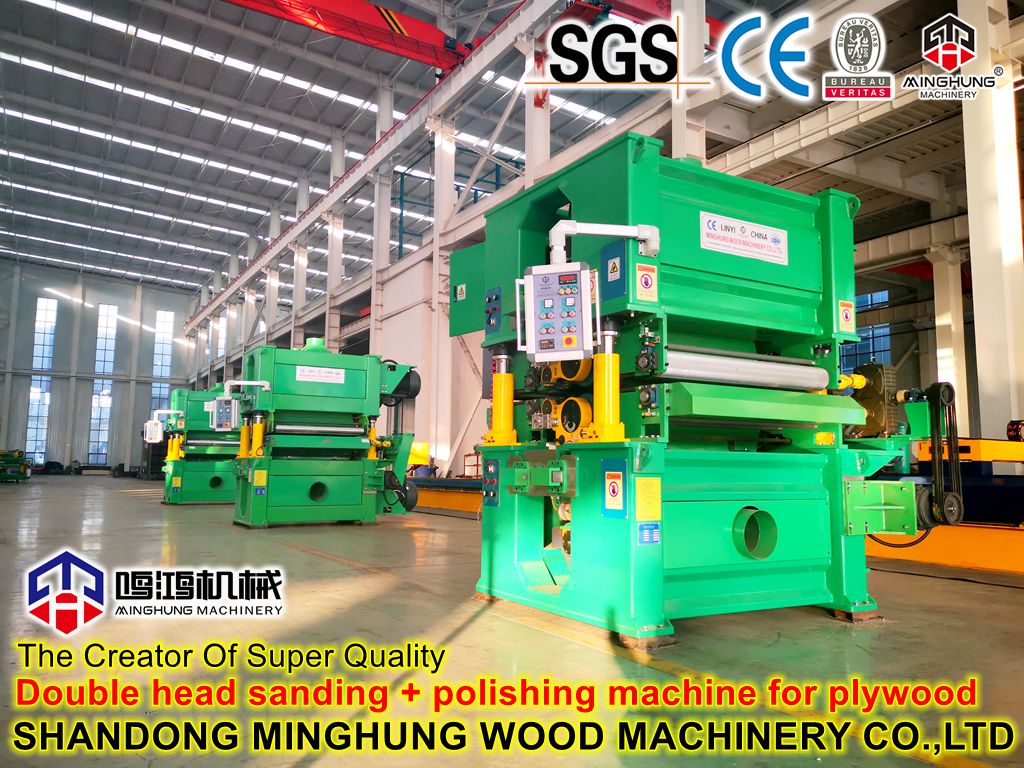
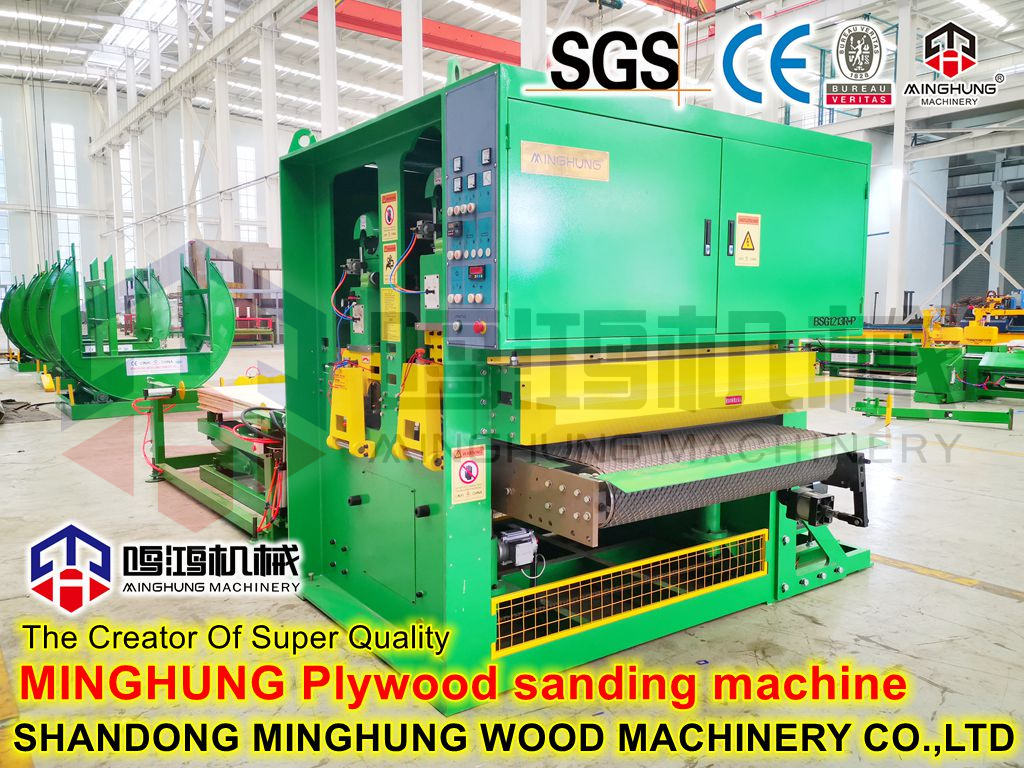
When the plywood boards have been squeezed and reinforced, they are managed to the ideal size and shape. This step includes eliminating any overabundance material and guaranteeing perfect, straight edges. Following managing, the boards go through a sanding cycle to accomplish a smooth and, surprisingly, surface.
7. Quality Control:
Before the plywood boards are considered prepared for circulation, they go through thorough quality control checks. These checks include investigating the boards for absconds, like bunches, voids, or delamination. Just the pressed wood boards that satisfy the severe quality guidelines are supported available to be purchased.
End:
The pressed wood manufacturing process includes a few unpredictable advances, beginning from obtaining the unrefined components to delivering excellent plywood boards. Each step assumes a significant part in guaranteeing the strength, solidness, and consistency of the eventual outcome. By understanding the assembling system, we gain a more profound appreciation for the flexibility and unwavering quality of pressed wood, pursuing it a favored decision for different applications in the development and furniture enterprises.
If you are interested plywood production business. welcome contact us. We are China factory, manufacturer and supplier of Plywood making machine and veneer making machine. We can support you for all of necessary machinery, to help you start plywood business
Contacts
Mark: +8618769900191
Ali: +8615805496117
Lucinda: +8615805493072
Email: minghungmachinery@gmail.com
#plywoodmanufacturingprocess #plywoodproductionprocess #plywoodmakingmachine #plywoodmachinery #Chinamachine