minghungmachinery@gmail.com   ▏           +8618769900191 / +8615589105786
Fire-Retardant Plywood Continuous Line
You are here: Home » Plywood Machine Series » Plywood Production Line » Fire-Retardant Plywood Continuous Line

PRODUCT CATEGORY

Fire-Retardant Plywood Continuous Line

A continuous fire-retardant plywood production line is a highly automated system designed for large-scale, efficient manufacturing of plywood treated with fire-resistant properties. This production line processes rotary-cut veneers from logs through a continuous workflow involving drying, glue impregnation, layup, hot pressing, and post-treatment to ultimately produce finished fire-retardant plywood. Its core features include integration and automation, which significantly enhance production efficiency, ensure product quality consistency, and reduce labor costs.
Availability:
Quantity:
sharethis sharing button
  • MINGHUNG

Fire-Retardant Plywood Continuous Line

China minghung plywood machine


The Fire-Rated Plywood Continuous Production Line is a modern industrial system specifically designed for the mass production of high-quality, flame-retardant plywood that complies with international fire safety standards. Its core principle is to endow ordinary plywood with durable and uniform fire-resistant properties through special flame-retardant treatment processes, meeting the stringent fire safety requirements of sectors such as construction, shipbuilding, and rail transportation.


Core Features  


1.  Efficient Continuous Production

      Utilizes a continuous press or continuous conveyor system to achieve uninterrupted production from raw material to finished product, significantly enhancing production efficiency and suitability for large-scale orders.


2.  Deep-Layer Flame Retardant Treatment

      Unlike simple surface coating, this line typically integrates a fire-retardant impregnation tank. It uses high-pressure or vacuum-pressure processes to deeply infuse flame-retardant chemicals into the wood fibers of the veneers, ensuring long-lasting fire resistance that does not flake off.


3.  Precise Process Control

      Precisely controls the concentration of the flame retardant, immersion time, drying temperature, and hot-pressing curve. This ensures even distribution of the retardant without compromising bond strength, while effectively controlling formaldehyde emissions.


4.  High Automation and Intelligence

      The central control system automatically adjusts parameters for each process stage and monitors the production line status in real-time, ensuring consistent product quality and reducing reliance on highly skilled operators.


5.  Excellent Finished Product Performance

      The resulting fire-rated plywood not only meets Class B1 or Class A flame retardancy standards but also maintains good physical and mechanical properties, such as modulus of rupture and nail-holding capacity, fulfilling practical application requirements.


6.  Environmental and Energy-Saving Design

      The line is often equipped with chemical recycling systems, waste gas treatment units, and heat recovery devices, reducing consumable consumption and environmental pollution, aligning with green manufacturing principles.


Core Process Flow  


The uniqueness of this production line lies in the integration of key flame-retardant treatment steps. Its typical workflow is as follows:


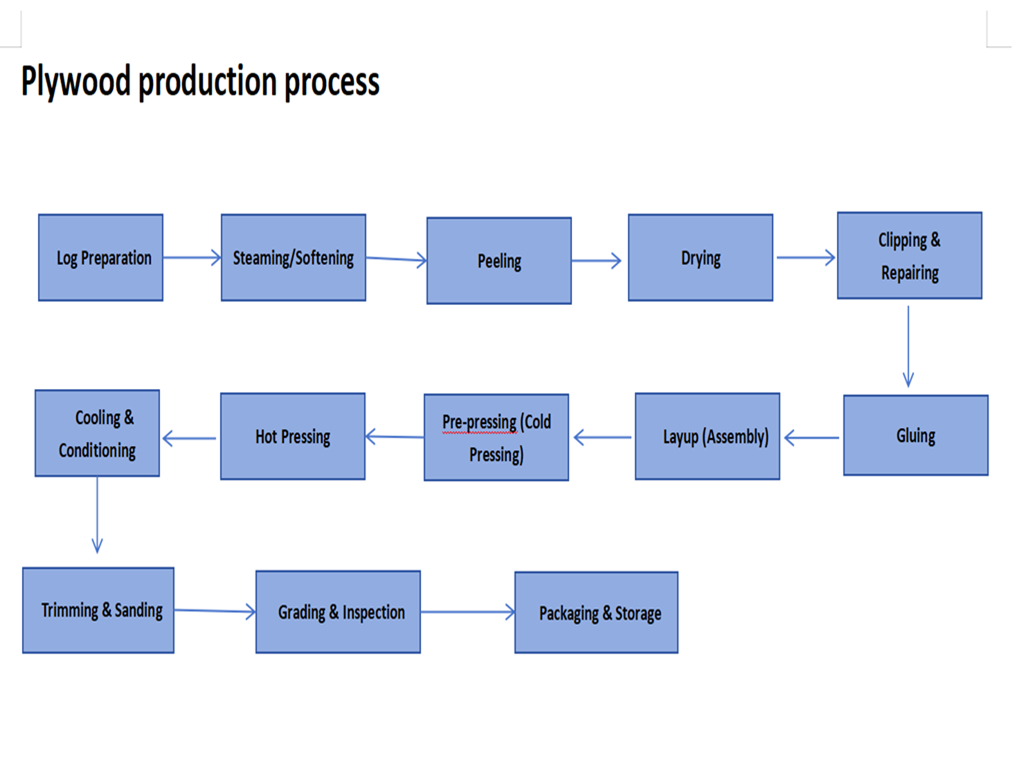
1.  Veneer Preparation: Logs are peeled, dried, and clipped to produce dry veneers of uniform thickness.

2.  Flame Retardant Impregnation (Core Process):

      The dry veneers pass through an impregnation tank, where they are thoroughly penetrated by the flame-retardant chemical solution under vacuum and/or high pressure.

3.  Secondary Drying: The impregnated veneers, now with higher moisture content, are fed into a dryer to evaporate excess water, bringing the moisture content to the required level for hot pressing.

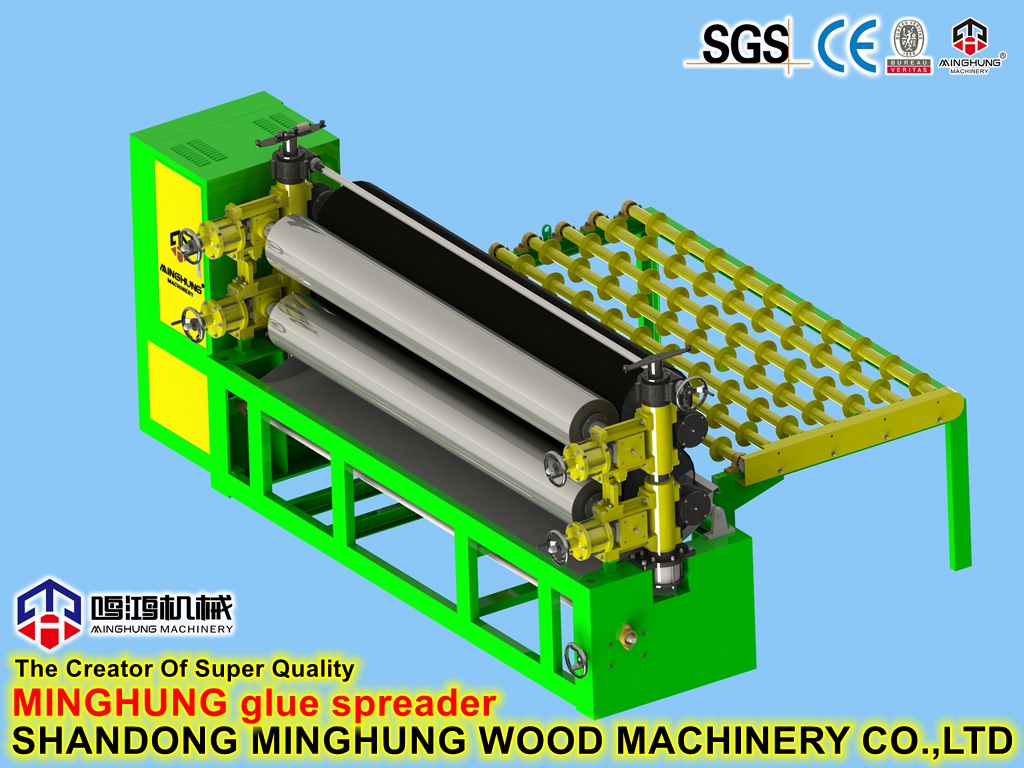
4.  Gluing and Layup: High-temperature resistant adhesives (e.g., phenolic resin) are applied to the dried, flame-retardant veneers using a glue spreader, and the veneers are assembled in a cross-grained pattern.

5.  Continuous Hot Pressing: The mat enters a continuous press, where the adhesive and flame-retardant components cure simultaneously under high temperature and pressure, forming a dense and fire-resistant board.

6.  Cooling and Curing: The pressed panels are cooled to set their shape and then stored in a curing area to allow internal stresses to equilibrate.

7.  Sanding and Cutting: The panel surfaces are precision-sanded to ensure flatness and then cut to specified dimensions.

8.  Quality Inspection and Packaging: Finished panels are sampled and tested for fire rating and physical properties. Qualified products are packaged and stored.

plywood production process

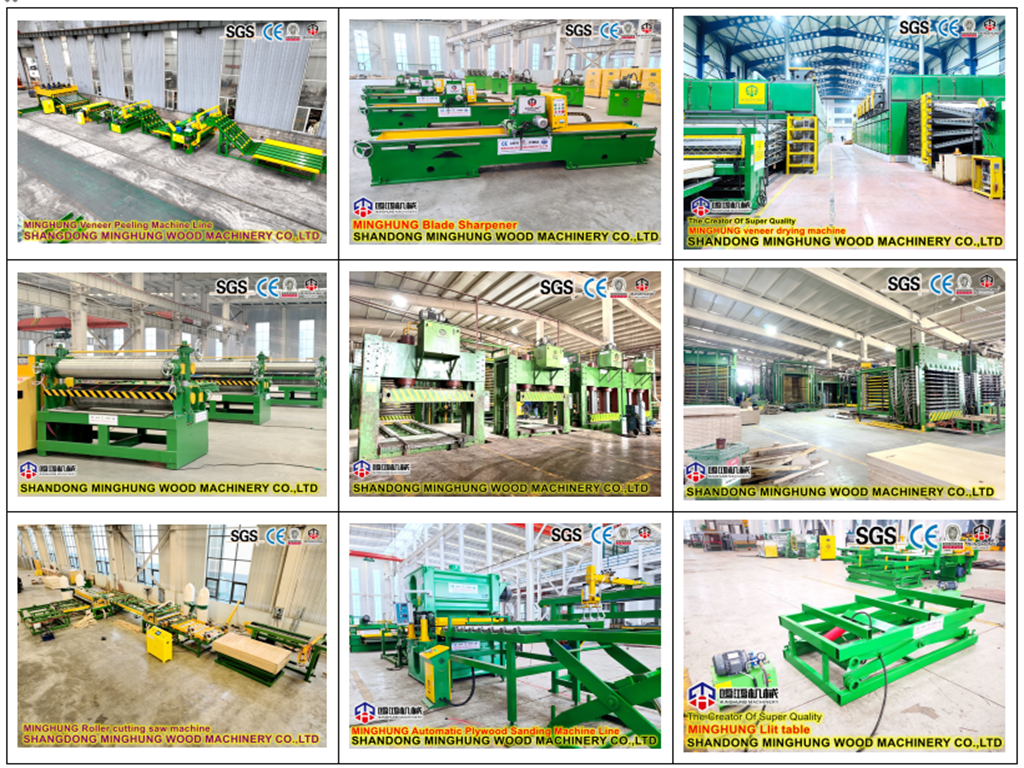
Main Equipment in the Production Line   


1. Veneer LathePeels logs into continuous veneer strips, serving as the initial stage of plywood production.

MINGHUNG Veneer lathe
MINGHUNG spindle veneer lathe


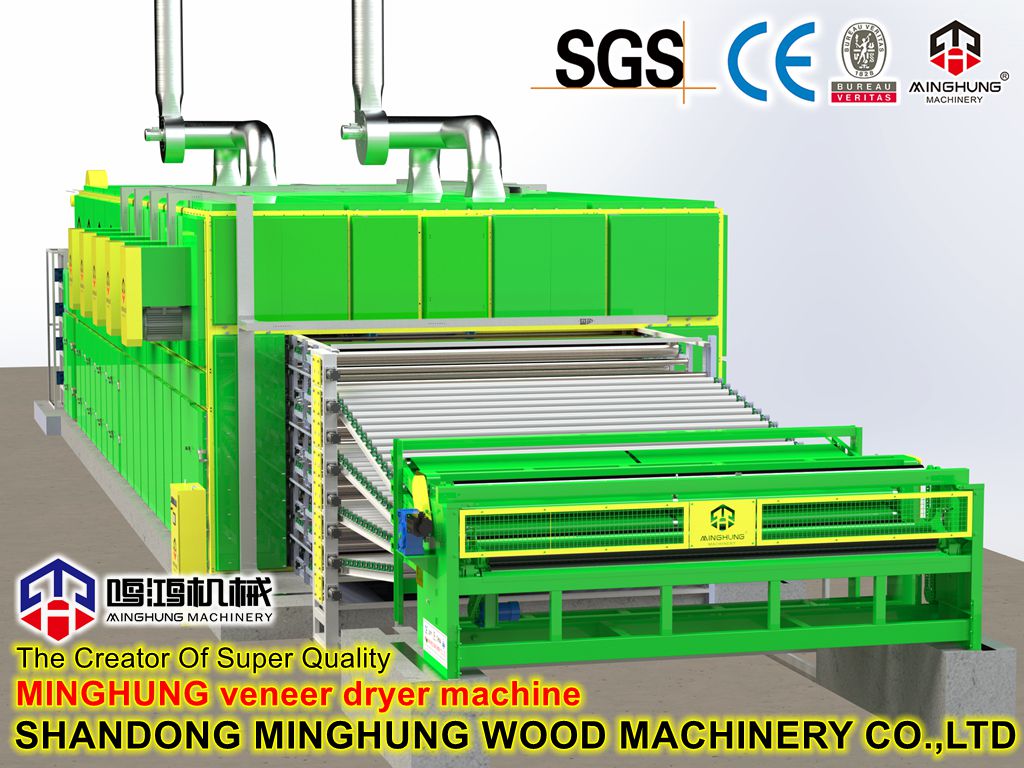
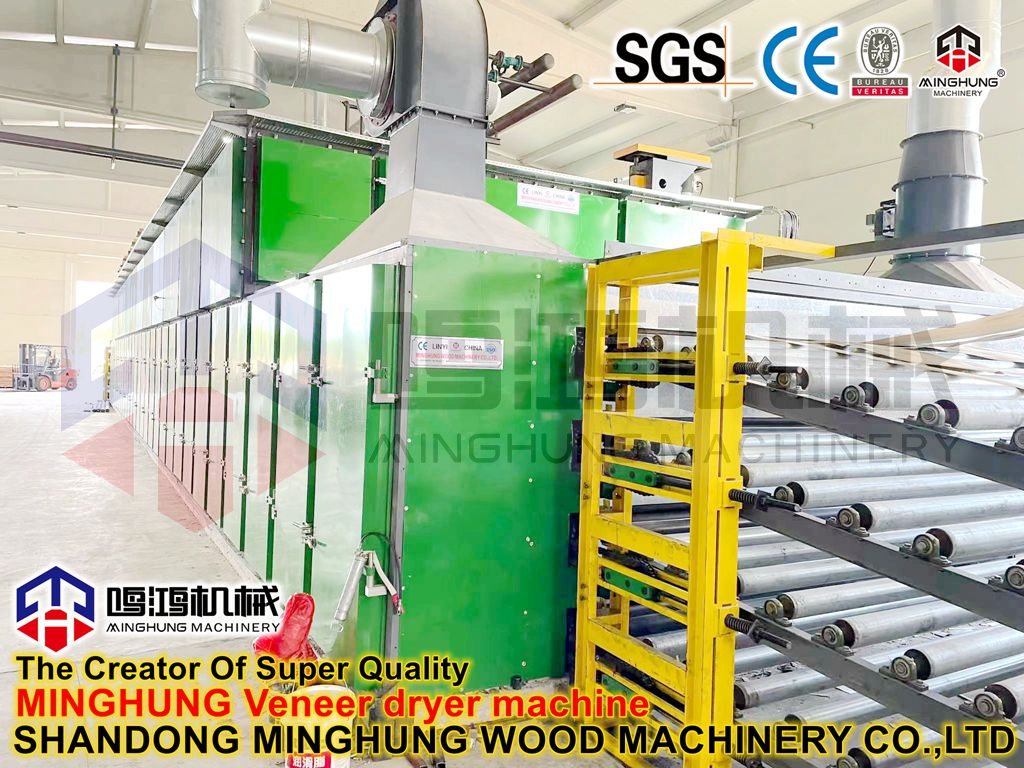
2. Veneer Dryer Reduces the moisture content of veneers through hot air or steam heating, ensuring the quality of subsequent bonding.

MINGHUNG 4 floors roller dryer
Roller Veneer dryer for plywood production line


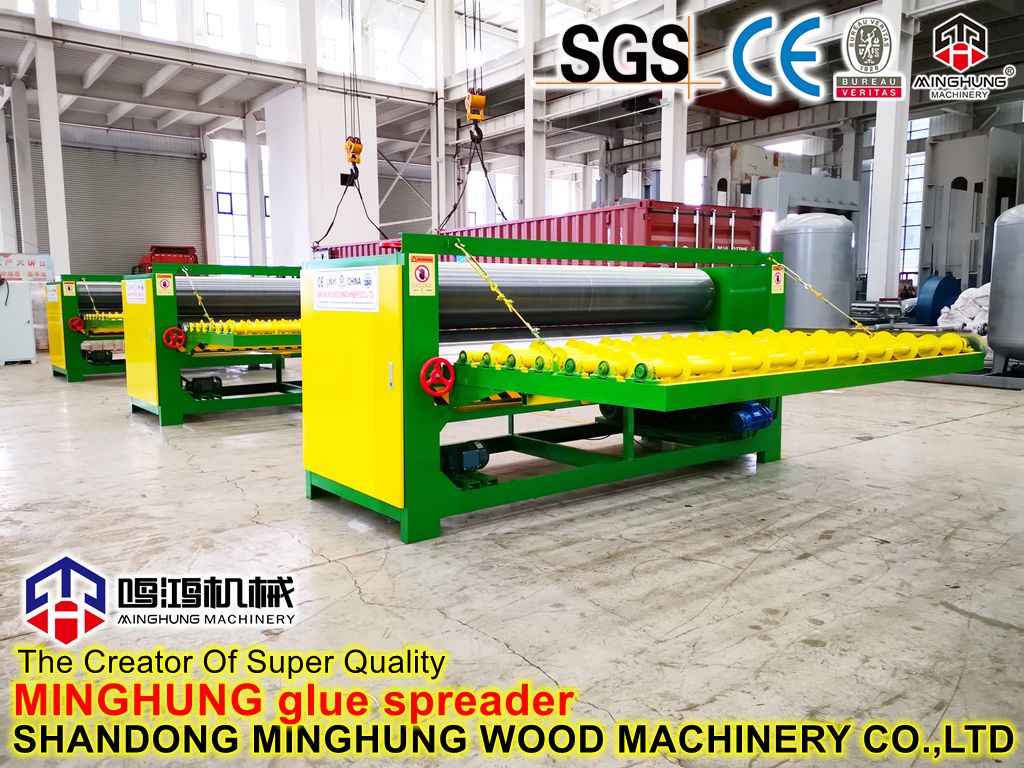
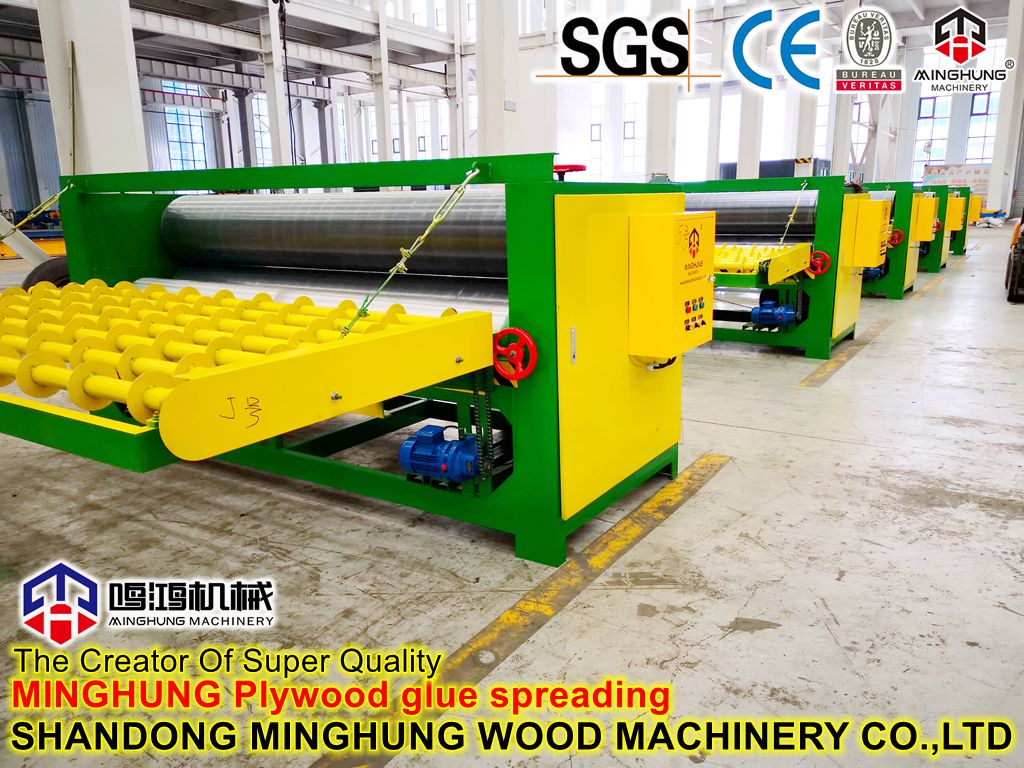
3. Fire-Retardant Glue Impregnation Machine Immerses veneers in fire-resistant resin to ensure uniform adsorption of flame retardants, a critical step in imparting fire-resistant properties to the plywood.

MINGHUNG Glue spreading machine
MINGHUNG plywood glue machine


4. Drying Tunnel Pre-dries the impregnated veneers to evaporate excess solvents, preparing them for the layup process.


5. Layup Machine :Assembles multiple layers of veneers in a cross-grained pattern to form a mat structure.


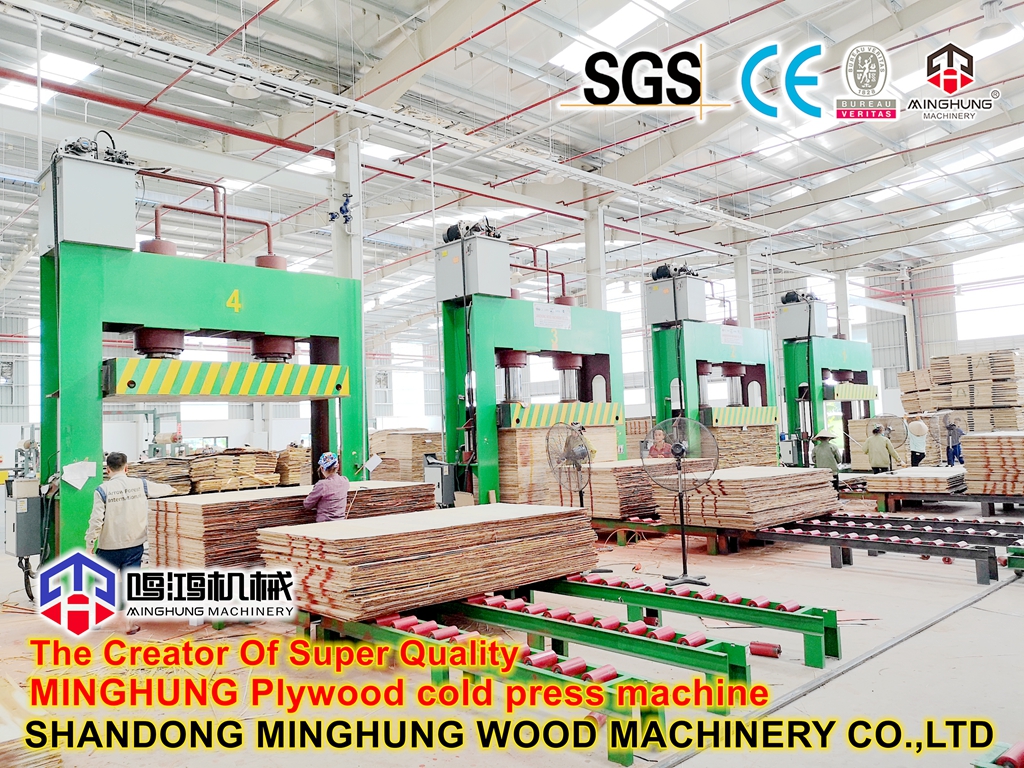
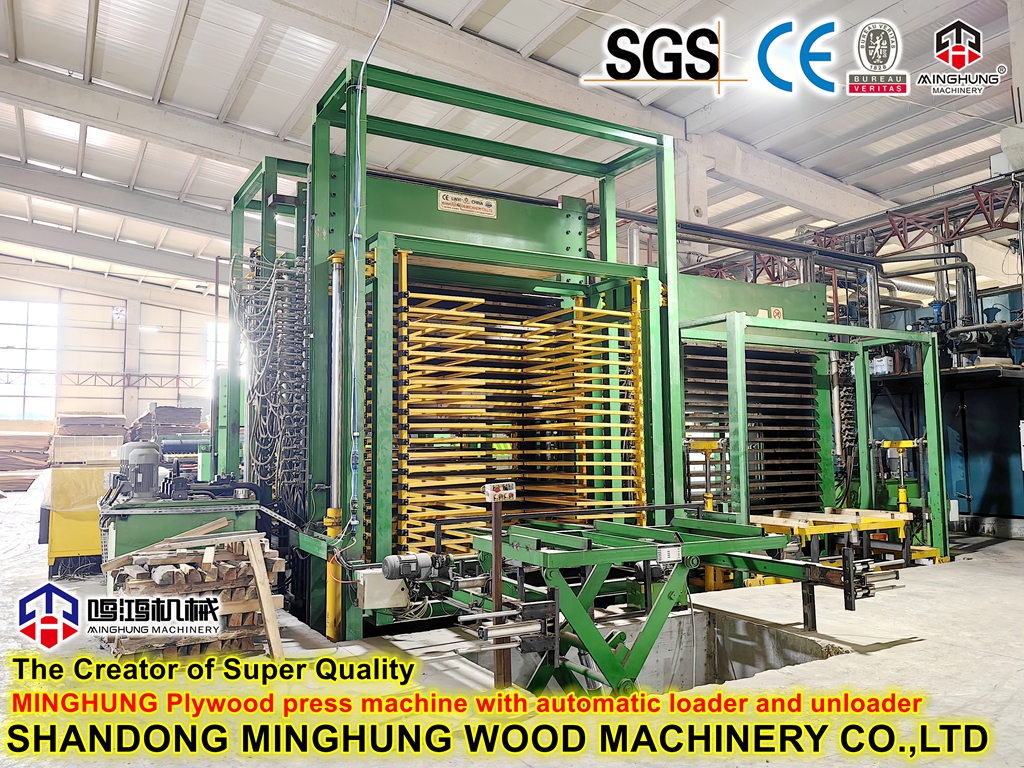
6. Pre-press Applies initial cold pressing to the assembled mat to remove air and fix the shape, facilitating subsequent hot pressing.

MINGHUNG cold press for plywood
MINGHUNG COLD PRESS MACHINE_副本


7. Hot Press Uses high temperature and pressure to cure the resin, permanently bonding the multiple veneer layers into sturdy fire-retardant plywood. This is the core equipment of the production line.

MINGHUNG plywood hot press machine
MINGHUNG plywood machinery


8. Turner and Cooler Cools and turns the hot-pressed boards to prevent deformation and aid in setting.


9. Sanding Machine Polishes the surface of the boards to ensure uniform thickness and smoothness.

Plywood Calibration and Thickness Sander Machine
MINGHUNG Plywood sanding machine line


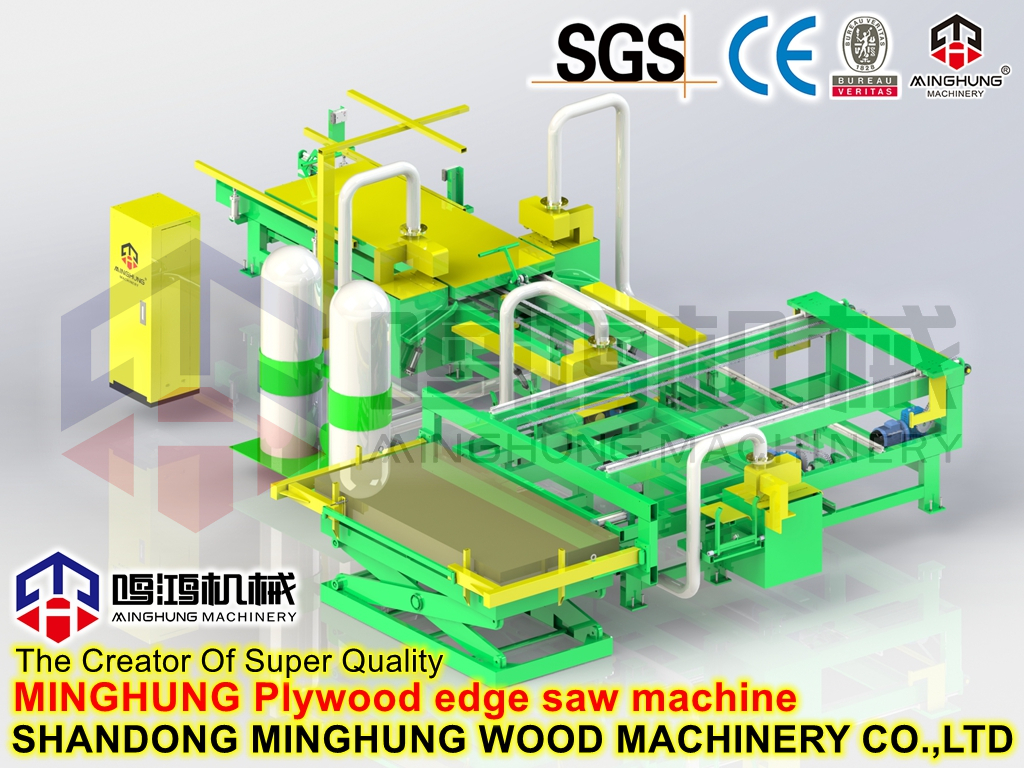
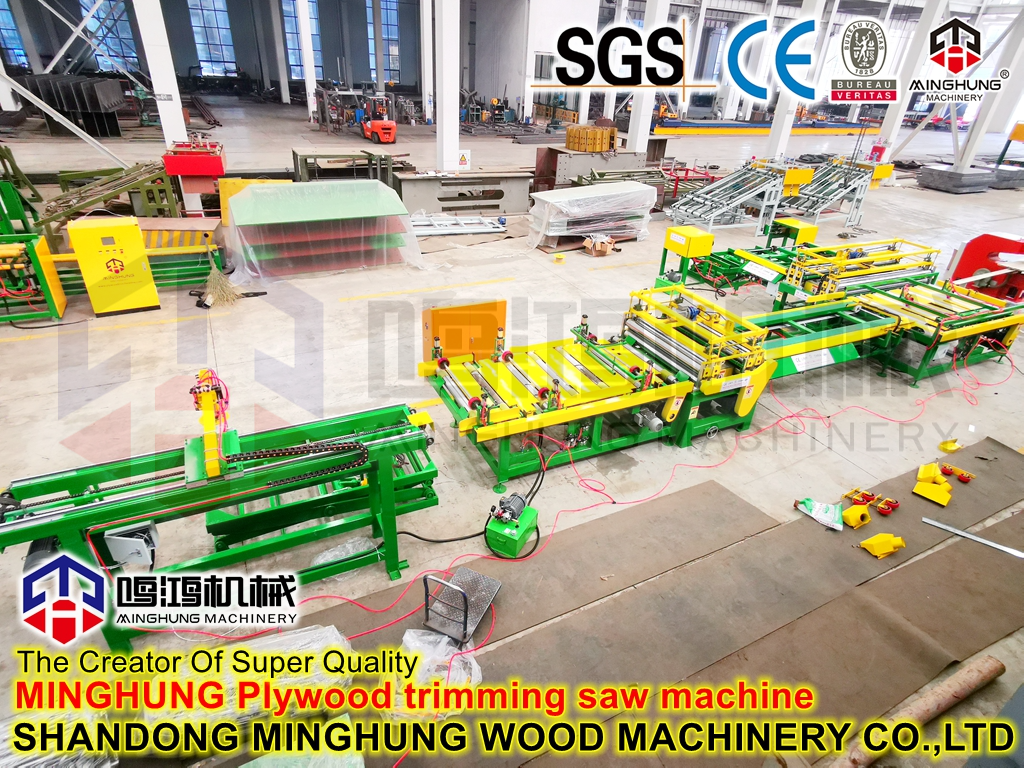
10. Cross-Cut and Edge-Trimming Saws Trims the boards longitudinally and transversely according to specifications, refining the edges.

MINGHUNG Plywood speed roller sawing line
MINGHUNG Plywood roller sawing line


11. Quality Inspection System Automatically inspects board thickness, density, and fire resistance using sensors and vision equipment, rejecting substandard products.


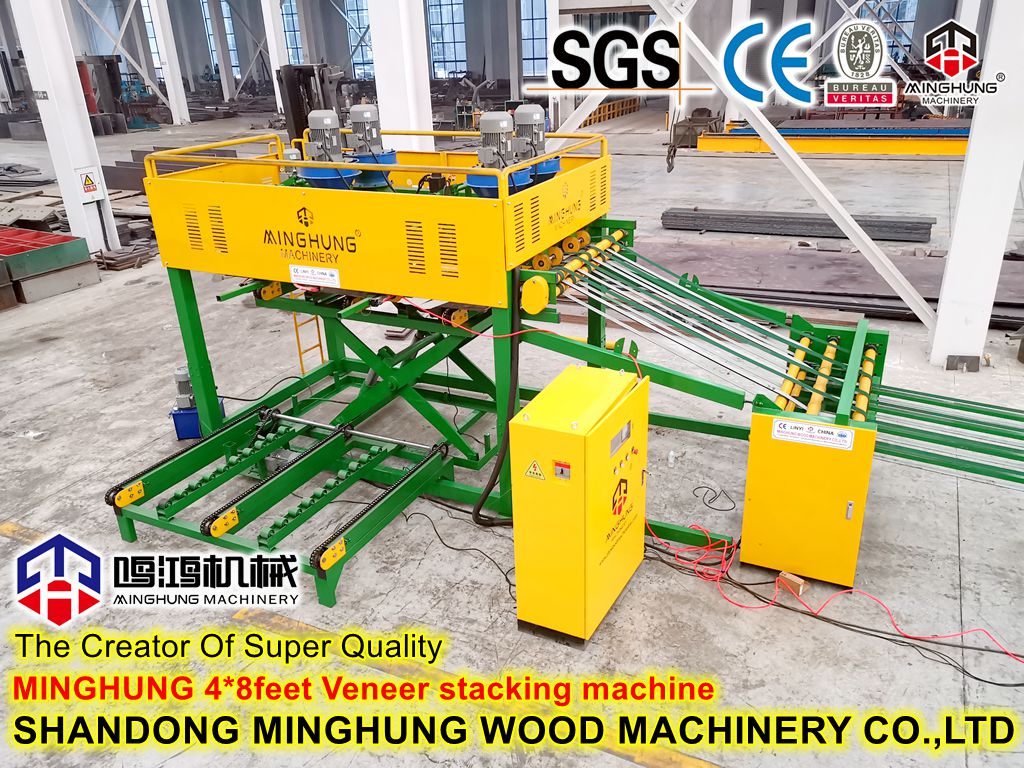
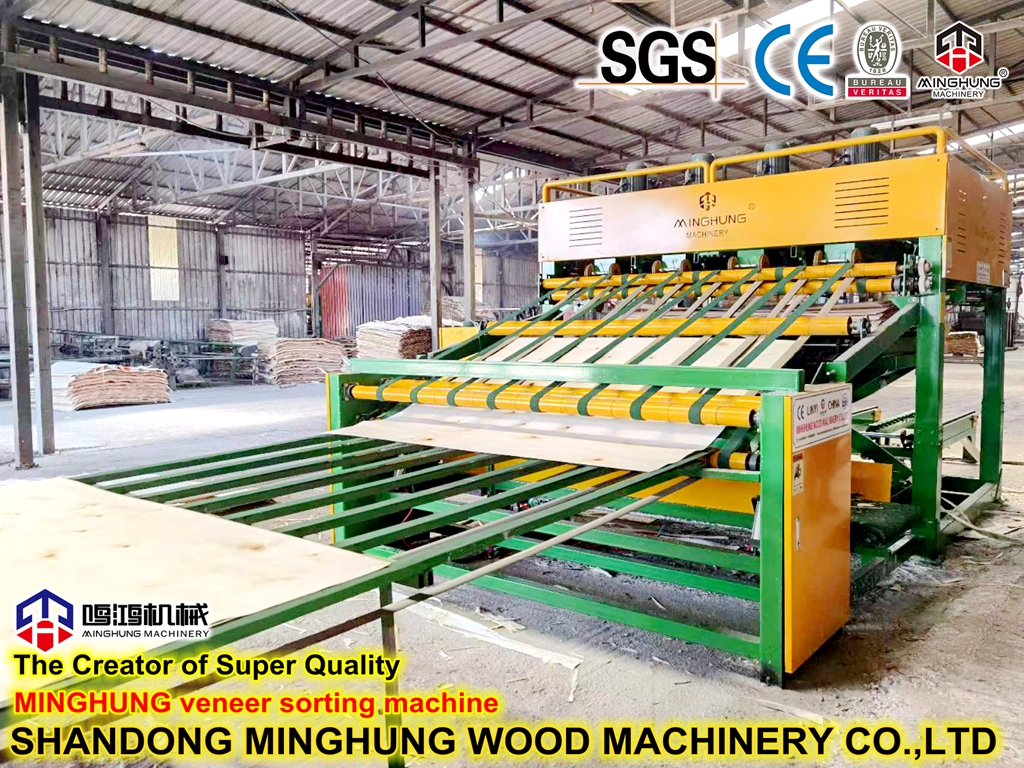
12. Stacking and Packaging Machine Automatically stacks and packages the finished boards for storage and transportation.

MINGHUNG 48feet veneer stacking
veneer stacker machine


13. Central Control System Integrates PLC and human-machine interface to monitor the entire line, adjust process parameters (e.g., temperature, pressure, speed), and enable intelligent production.


Through the coordinated operation of the above equipment, this production line achieves seamless transition from raw materials to finished products, making it suitable for applications in construction, furniture, and other fields requiring fire-resistant materials.


Primary Uses of Fire-Retardant Plywood  


Fire-retardant plywood, also known as flame-retardant plywood, is treated through processes like impregnation, spraying, or high-pressure treatment to possess significant flame-resistant properties. When exposed to open flame, it effectively slows the spread of fire, inhibits smoke production, and buys crucial time for occupant evacuation and firefighting.


Its main uses are widely distributed across the following sectors:


1. Building and Interior Decoration (Core Application Area)

This is the largest and most primary application scenario for fire-retardant plywood.


  Interior Decoration of Public Buildings:

      Shopping Malls and Retail Centers: Used for shop partitions, display counters, suspended ceilings, feature walls, etc.

      Hospitals and Schools: Used for ward partitions, laboratory furniture, classroom dividers, storage cabinets. These venues have high occupant density and extremely strict fire safety requirements.

      Hotels and Convention Centers: Used for guest room furniture, banquet hall partitions, decorative wall panels, etc.

      Office Buildings: Used for office partitions, filing cabinets, reception desks, etc.

  Transportation Infrastructure:

      Subway Stations and Railway Stations: Used for ceilings, wall cladding, and shop fittings in ticketing halls and waiting areas.

      Airport Terminals: Used for check-in counters, retail areas, and decorations/partitions in lounges.

  Residential Decoration:

      An increasing number of safety-conscious households are using fire-retardant plywood for kitchen cabinets, bathroom vanities, custom wardrobes, as well as in home theaters and studies to enhance home safety.


2. Furniture Manufacturing

Used for manufacturing furniture with specific fire safety requirements.


  Office Furniture: Such as desks, bookshelves, filing cabinets.

  Public Space Furniture: Such as library shelves, hospital storage cabinets, restaurant booth seating.

 Laboratory Furniture: Laboratory benches, fume hoods, etc., which need to resist chemical corrosion and possess certain fire resistance.


3. Shipbuilding and Vehicle Manufacturing

Ship cabins and train compartments are confined spaces with high occupant density, making fire consequences severe; thus, they have extremely stringent requirements for material fire performance.


  Ship Cabins: Used for internal bulkheads (partitions), ceilings, and furniture (e.g., beds, cabinets). Often needs to comply with classification society (e.g., CCS, DNV) fire codes.

  Railway Passenger Cars: Used for interior wall panels, toilet and shower cubicles, luggage racks, etc.


4. Other Specific Requirement Sites

  Data Centers and Server Rooms: Used for server racks, raised floors, and wall panels to protect expensive electronic equipment.

  Cleanrooms and Laboratories: Have special requirements for environmental fire safety.

  Entertainment Venues (e.g., Nightclubs, Cinemas): National fire codes mandate the use of fire-retardant or flame-resistant materials for their decorations.


The core value of fire-retardant plywood lies in the fact that "it retains the excellent physical properties of regular plywood (such as high strength, easy workability, dimensional stability), while also endowing it with reliable fire safety."


Its application in modern construction and industry is not only a necessary choice to meet regulatory requirements but also an important measure reflecting the principle of "Safety First, Prevention Paramount."



Request a Quote Today! OEM/ODM solutions available – Start your plywood business with competitive edge!  

Our contacts:

Whatsapp: +8618769900191  +8615589105786  +8618954906501

Email: osbmdfmachinery@gmail.com


Previous: 
Next: 
Product Inquiry
plywood cold press deliver_副本.jpg
Second Batch of Equipment From Shandong MINGHUNG Successfully Shipped
12-26 2025

As Christmas approaches, Shandong MINGHUNG wood based panel machinery Co., Ltd. has welcomed another peak in shipments.

Read More
1.jpg
9 Containers Set Sail MINGHUNG’s Complete Plywood Production Line Successfully Departs
12-18 2025

In early December 2025, the culmination of close collaboration between the MINGHUNG foreign trade team and our partners — 9 containers fully loaded with the core equipment for a plywood production line .

Read More
MINGHUNG MCHINERY.jpg
SHANDONG MINGHUNG WOOD BASED PANEL MACHINERY FACTORY
08-05 2020

Shandong Minghung Wood Machinery Factory Shandong minghung wood machine factory produces plywood machinery in linyi city city, china, dedicated to providing high-quality and suitable machines veneer machine,plywood machine,veneer splicing machine.veneer dryer machine,veneer peeling machine,plywood v

Read More
Particleboard paving machine.jpg
How to produce Particle board? What is the production step
09-09 2023

How to produce Particle board? What is the production step of Making Particle board?Introduction:Particle board, also known as chipboard, is a versatile and cost-effective material widely used in the construction and furniture industries. It is made by compressing wood particles and adhesive togethe

Read More
auto plywood machine.jpg
The Ultimate Guide to Plywood Hot Press Machines: Crafting High-Quality Plywood
12-13 2023

The Ultimate Guide to Plywood Hot Press Machines: Crafting High-Quality Plywood Introduction:Plywood is a versatile and widely used material in various industries, from construction to furniture manufacturing. Behind the scenes, plywood hot press machines play a crucial role in the production proces

Read More
Oriented Strand Board OSB.jpg
Differences between Corrugated Oriented Strand Boards And Ordinary Oriented Strand Boards
04-01 2026

Corrugated oriented strand board (corrugated OSB) and ordinary oriented strand board (ordinary OSB) both belong to the OSB family, but they are fundamentally different in structure, manufacturing process, and application.

Read More
plywood machine deliver.jpg
Shandong Minghung Successfully Ships Plywood Production Line Equipment
03-19 2026

The equipment shipped to Indonesia this time consists of core machinery for plywood production lines, covering key processes from log handling to finished panel processing.

Read More
MINGHUNG plywood complete machine.jpg
Shandong Minghung Dispatches Peeler Lathe And Wood Debarker on Schedule
02-03 2026

Shandong Minghung will continue to focus on the research, development, and manufacturing of wood processing machinery. We are committed to building long-term, mutually beneficial partnerships with global clients through reliable products, timely deliveries, and professional service.

Read More
MINGHUNG core veneer dryer.jpg
Advantages of veneer dryer ?
08-13 2022

What is a veneer dryer?MINGHUNG Roller veneer dryer for drying original wood veneer, remove abundant humidity, in the end, the wood veneer humidity will be 5%-10%, so it is suitable for making plywood.Veneer roller dryer are suitable for big drying capacity per day, it can be different length, width

Read More
MINGHUNG plywood complete machine.jpg
Wood Raw Materials for Particleboard Production
01-28 2026

Particleboard (also known as chipboard) is a common engineered wood panel made by mixing wood fragments or particles with adhesives (such as urea-formaldehyde resin) and then hot-pressing them into shape.

Read More
Shandong MINGHUNG Wood Machinery Co.,Ltd is one famous manufacturer of plywood machine in China, located in Linyi city. 
Home

PRODUCT GROUPS

CONTACT US

 +86-18769900191 /  +86-15589105786 
 +86-18769900191 / +86-15589105786
 
minghungmachinery@gmail.com
  Fangcheng Town,Lanshan District,Linyi City,Shandong Province,China
Copyright © 2010 SHANDONG MINGHUNG WOOD MACHINERY CO.,LTD