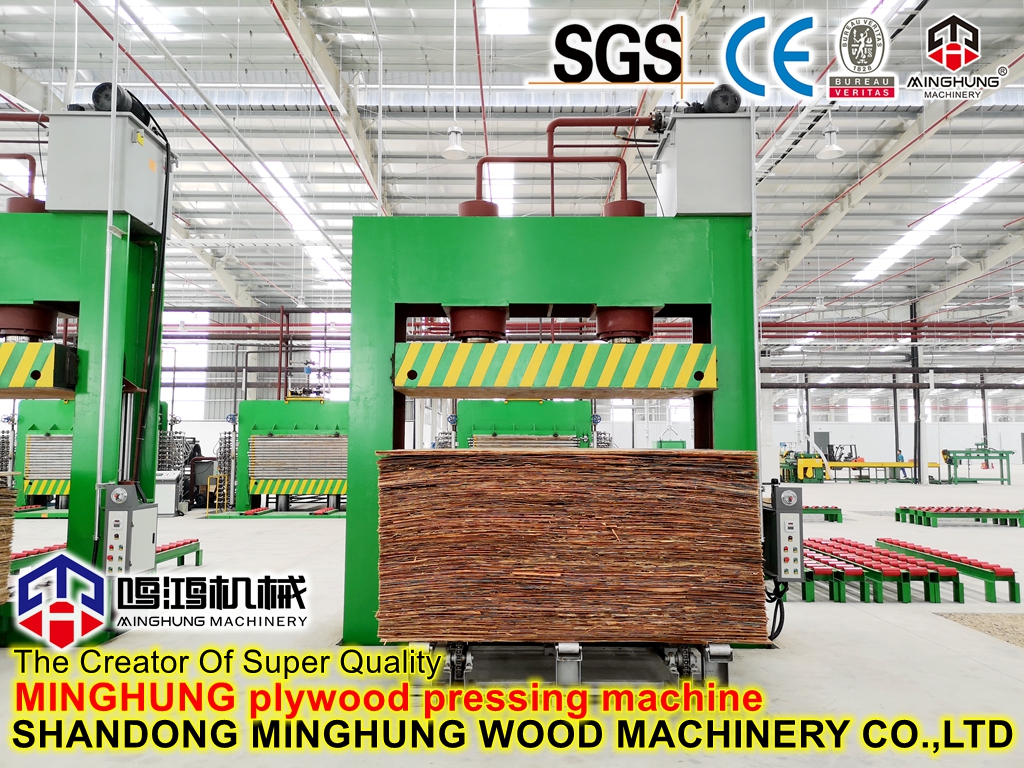
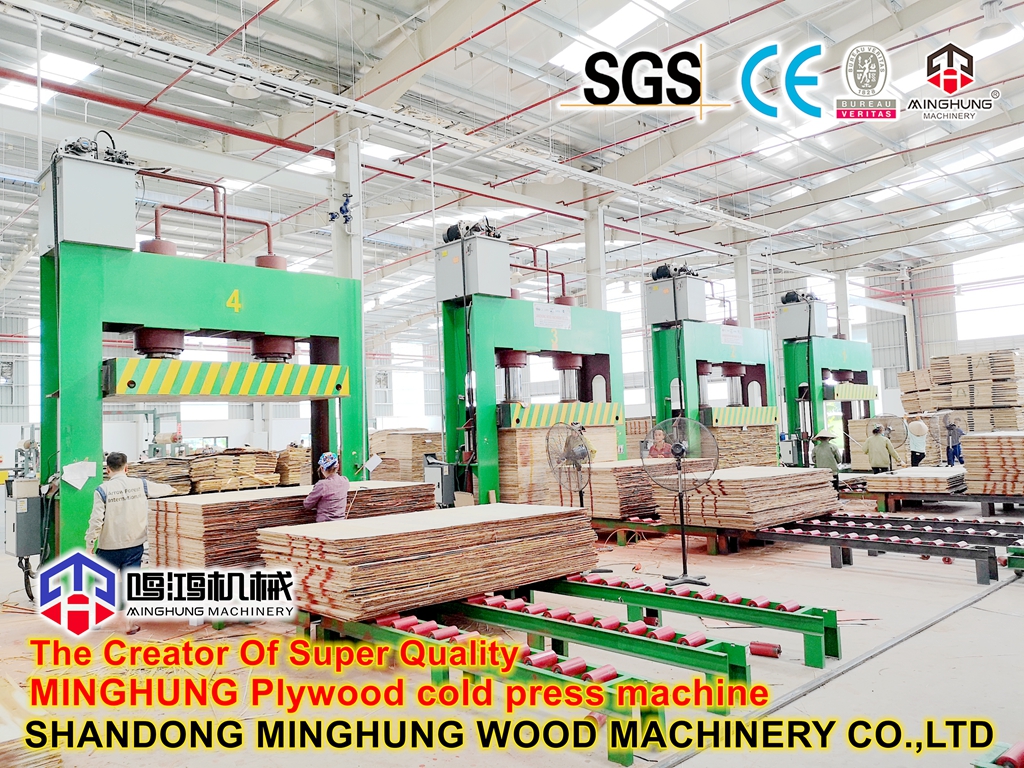
Working Process of the Cold Press
1. Loading
Place the glued mats (composed of veneer layers or core assemblies) onto the worktable of the cold press. Backing plates may be placed between mats as needed.
2. Positioning
Manually or with simple positioning aids, adjust the mats to the center of the platens to ensure uniform pressure distribution.
3. Pressurizing
Start the hydraulic system. The upper platen descends slowly until it contacts the mats, then the pressure gradually rises to the rated 50 tons, firmly compacting the mats.
4. Holding/Pressure Dwell
Maintain the set pressure for a certain period (typically 5–20 minutes), allowing the adhesive to partially cure, the mat thickness to become consistent, and internal air and excess glue to be expelled.
5. Decompression and Return
After the holding time, the hydraulic system automatically releases pressure, and the upper platen rises back to its initial position.
6. Unloading
Remove the pre-pressed mats from the worktable and transfer them to the next process (e.g., hot pressing, cold curing storage, edge trimming, etc.).
Component | Description |
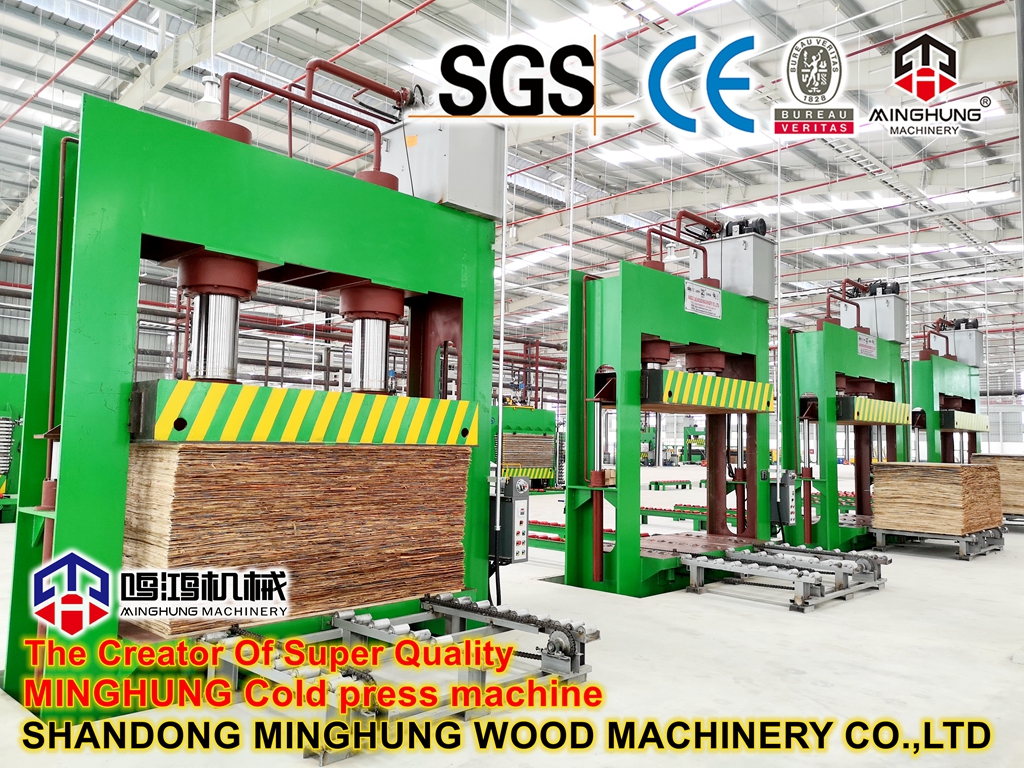
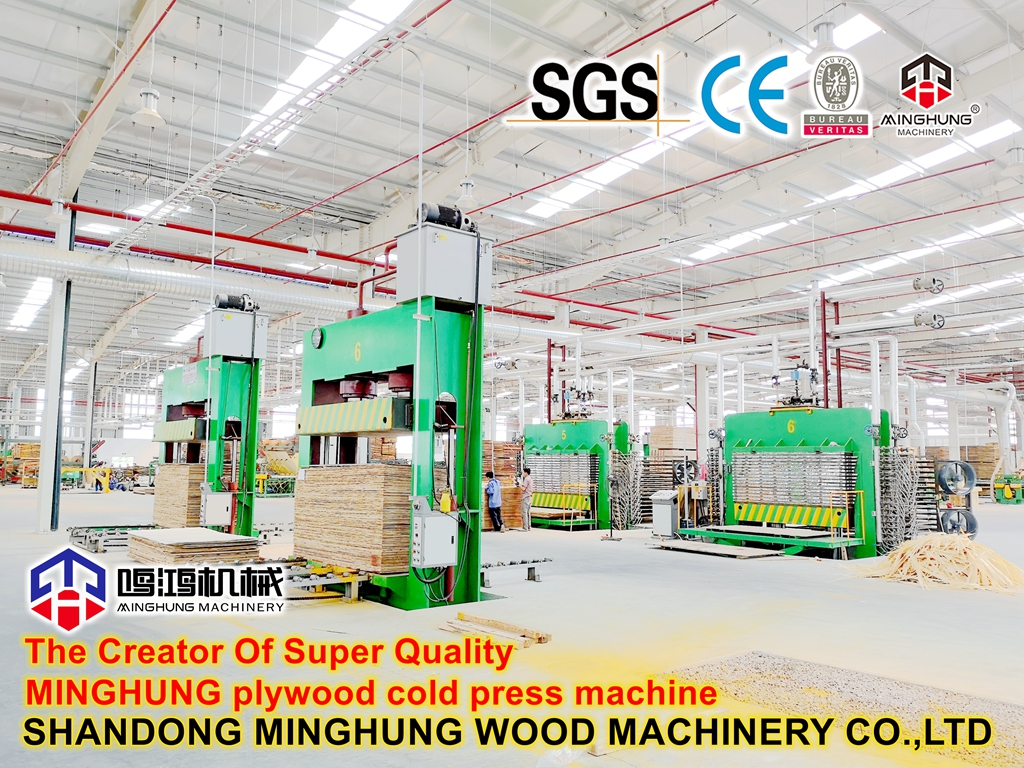
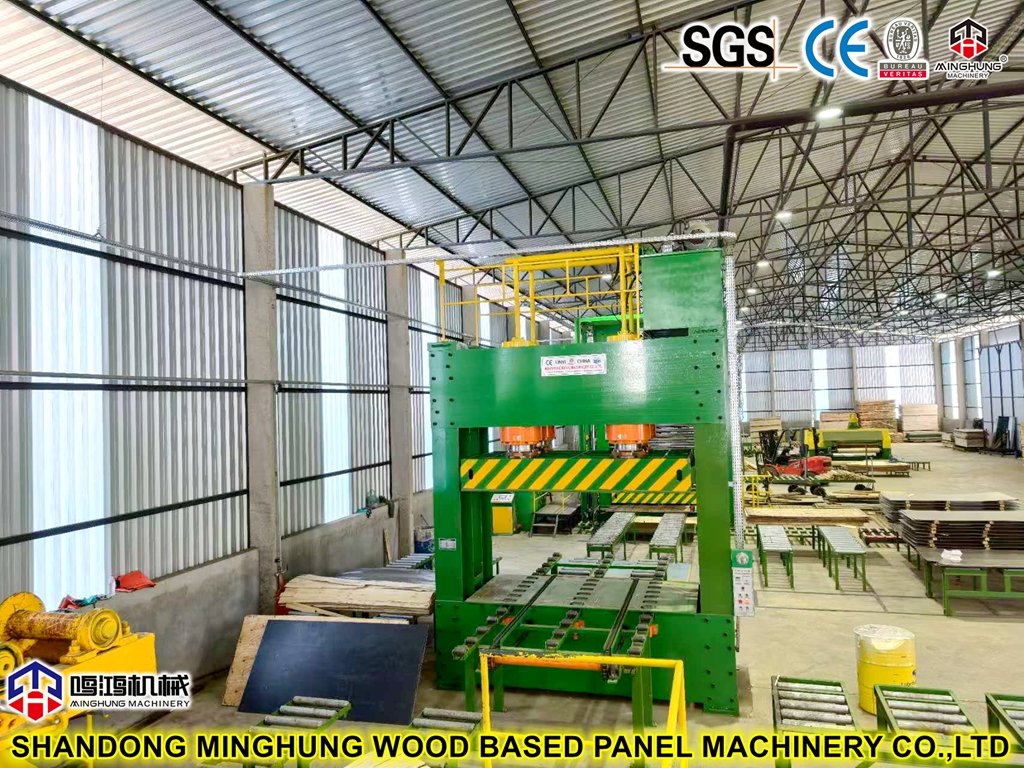
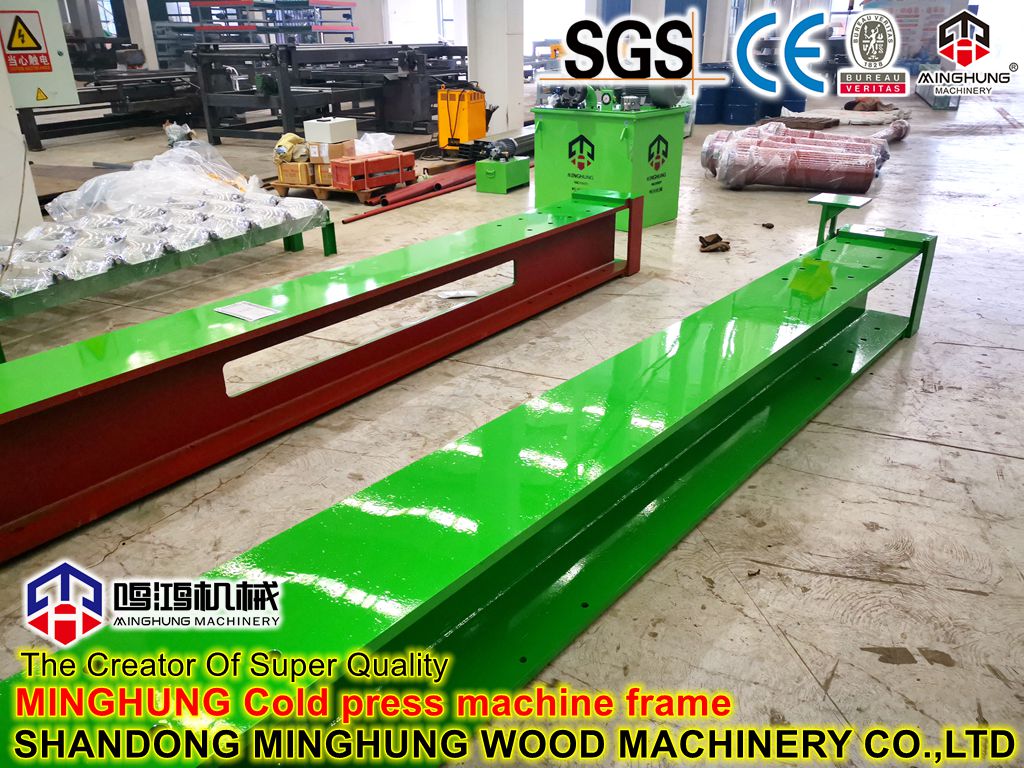
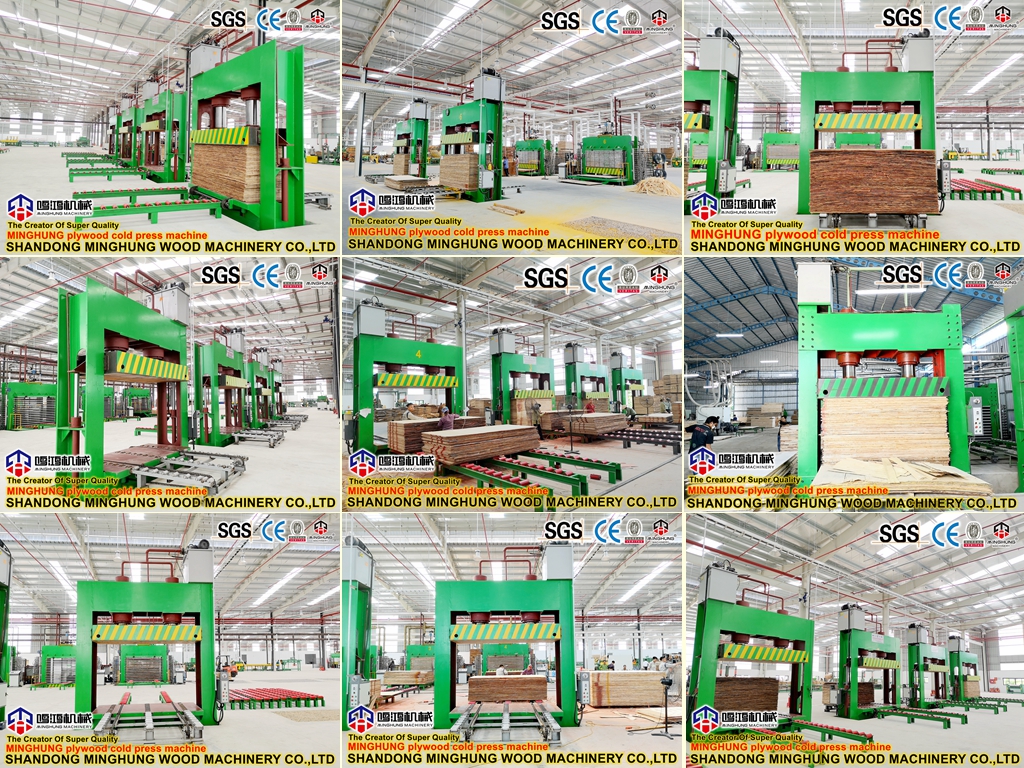
Frame and Body | Made of high-quality steel plates (welded) or cast steel, providing a compact structure with good rigidity to withstand 50 tons of pressure without deformation. |
Hydraulic Cylinder (Main Cylinder) | Single- or double-cylinder configuration, delivering a maximum pressure of 50 tons with a suitable stroke for small-board pressing operations. |
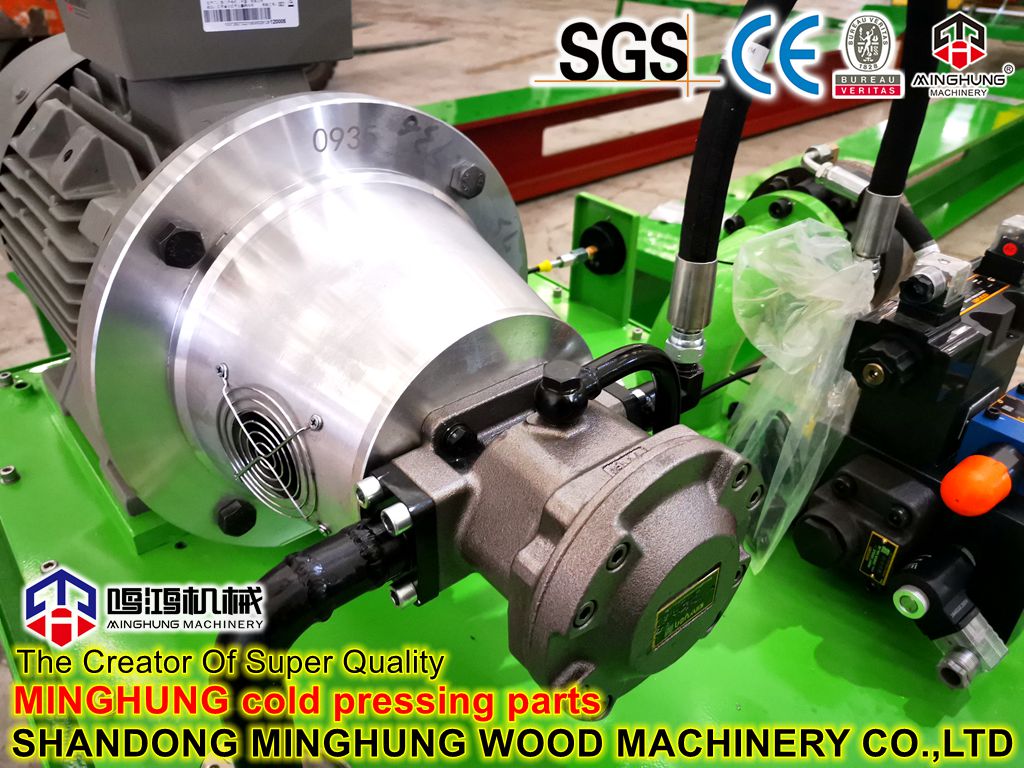
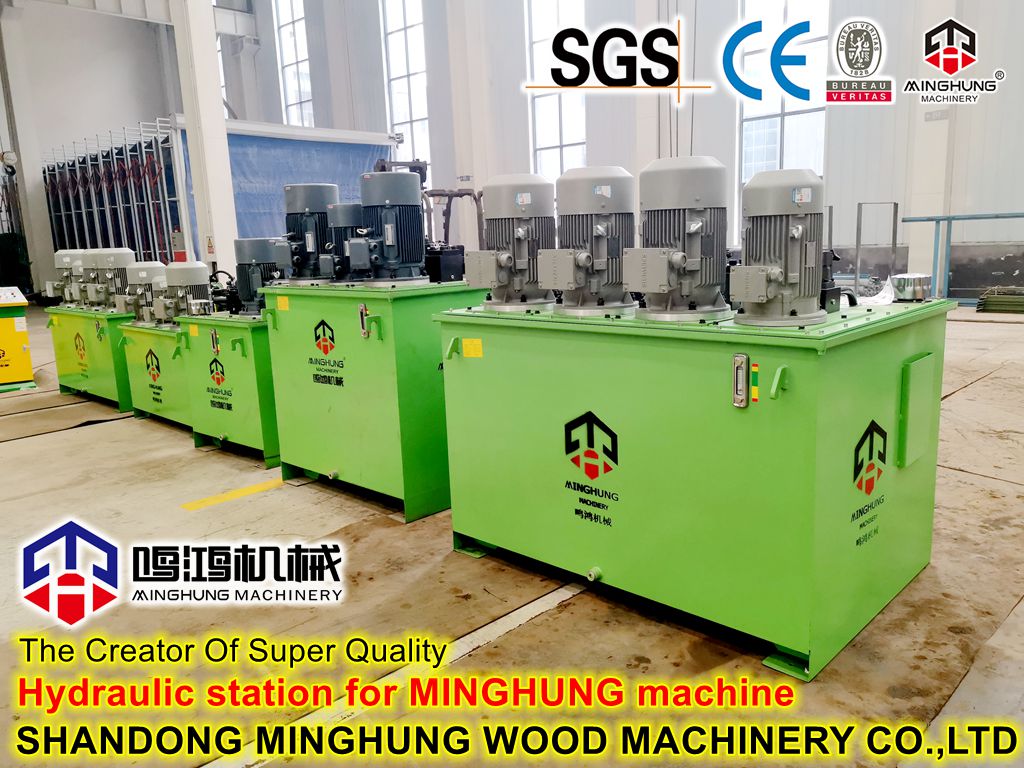
Hydraulic Power Unit | Includes hydraulic pump, motor, oil tank, and valve group, supplying stable pressure oil with low noise and low energy consumption. |
Upper and Lower Platens | The upper platen is connected to the cylinder, and the lower platen is fixed to the base. Both platen surfaces are precision-ground to ensure uniform pressure and flat board surfaces. |
Guide Columns and Bushings | Precision-matched guide structures ensuring smooth, non-tilting vertical movement of the upper platen for accurate pressing. |
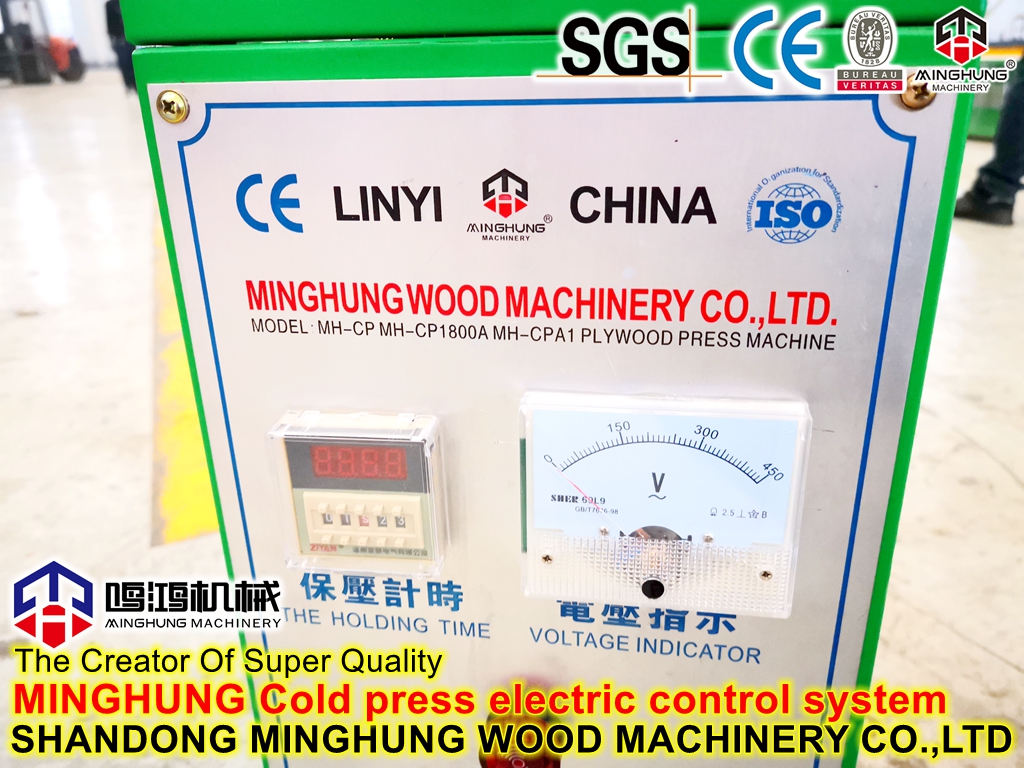
Electrical Control System | Uses a simple PLC or relay-based control, equipped with pressure switches and time relays, enabling setting and automatic control of pressure and holding time. |
Manual Control Valve (Optional) | Some models are equipped with a manual directional valve for flexible on-site operation, especially suitable for small-batch, multi-variety production. |
1. Designed for Small-Scale Production
Rated at 50 tons, with a compact footprint, this machine is ideal for small to medium-sized factories or workshops with limited floor space.
2. Easy to Operate and Learn
The control system is intuitive with push-button operation, requiring no specialized training for quick mastery, lowering the skill barrier for operators.
3. Stable Pressure and High-Quality Boards
The hydraulic system delivers smooth output and evenly transfers pressure across the board surface, effectively avoiding issues like localized glue starvation, blistering, or thickness variation.
4. Low Investment with Fast Payback
Compared to large cold presses, this unit is moderately priced, making it an excellent choice for start-up panel processors or early-stage capacity expansion.
5. Easy Maintenance
The simple structural design uses standard hydraulic and electrical components, making repairs and part replacements quick and convenient.
6. Energy-Efficient
Equipped with high-efficiency motors and a hydraulic system that automatically switches to low-pressure replenishment mode during the holding phase, reducing power consumption.
7. Versatile Applications
Beyond plywood, it can also be used for MDF lamination, eco-board assembly, bamboo splicing, composite board pre-pressing, and more.
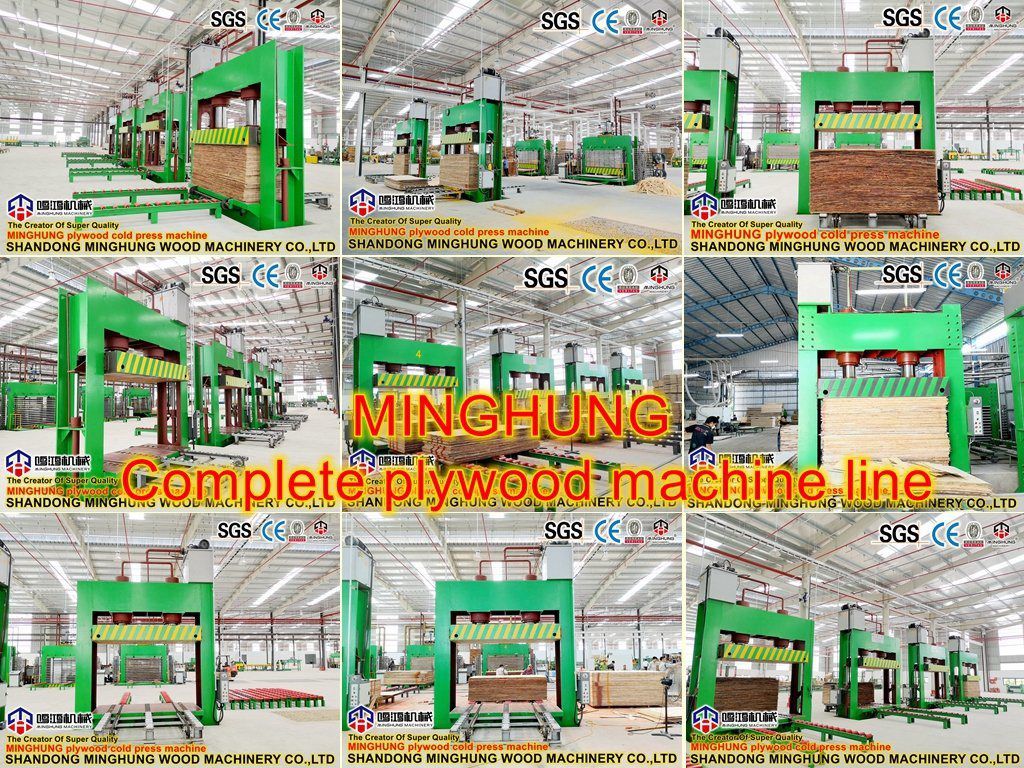
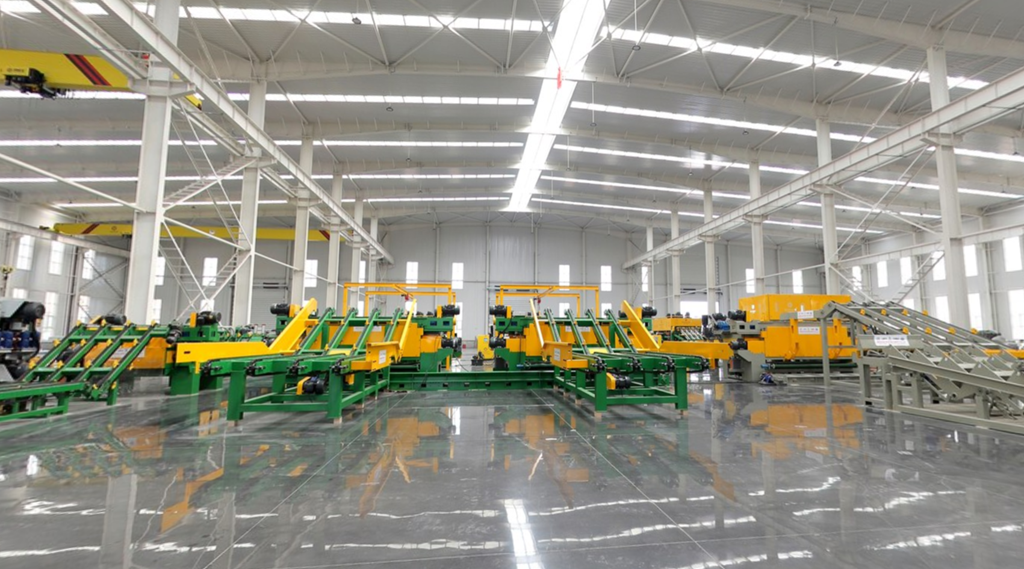
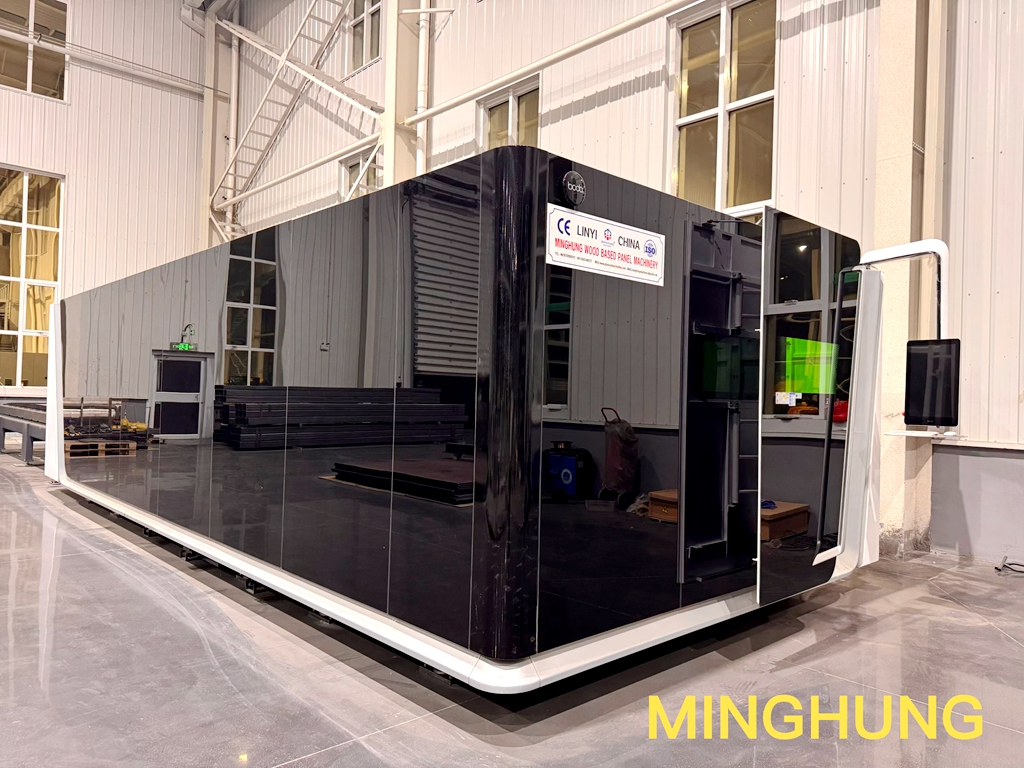
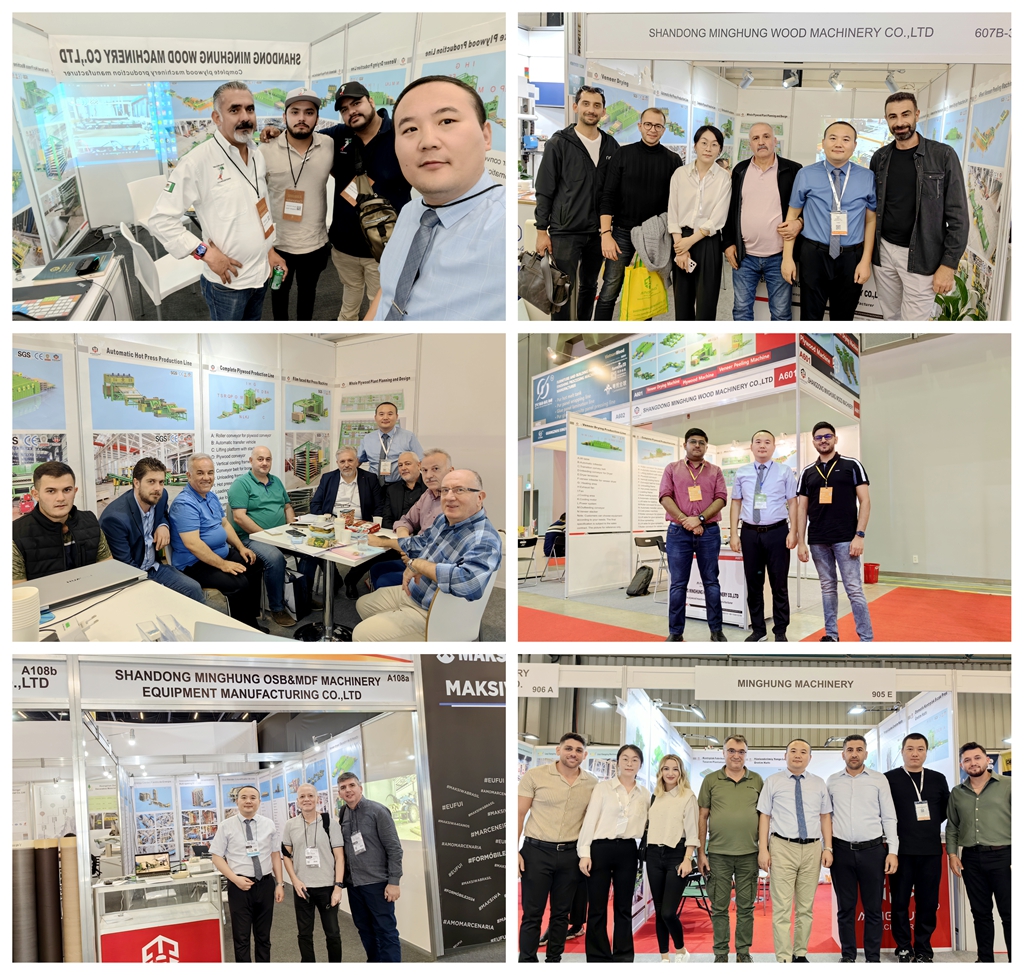
We are Shandong MINGHUNG Wood Based Panel Machinery Co.,Ltd China factory and manufacturer of full sets of Plywood machinery and Veneer machinery. With many years production experience, advanced production technology,experienced workers and professional engineers, we can offer you the suitable, good and strong machinery for you.
The machinery we produce includes peeling machines, chipping machines, rotary cutting machines, drying machines, gluing mixers, laying machines, pre-pressing machines, hot pressing machines, cooling machines, longitudinal and transverse sawing machines, sanding machines, as well as auxiliary machinery such as automatic feeding and discharging systems and lifting platforms.
Q1: What is the maximum board size that this 50-ton cold press can handle?
A1: The standard working area is typically 2500×1250 mm (4×8 feet) or 2000×1000 mm, covering common board specifications. Custom sizes are available upon request.
Q2: Does this cold press require three-phase or single-phase power?
A2: The standard configuration uses three-phase 380V/50Hz power (can be customized to export-country voltages such as 220V/60Hz or 415V/50Hz).
Q3: How many boards can be pressed per day?
A3: This depends on holding time and operational efficiency. Assuming a 10-minute holding time plus loading/unloading, approximately 4–5 batches can be completed per hour, with 1–3 mats per batch (depending on layer count and thickness). Daily output is roughly 80–150 boards.
Q4: What is the warranty period and after-sales service?
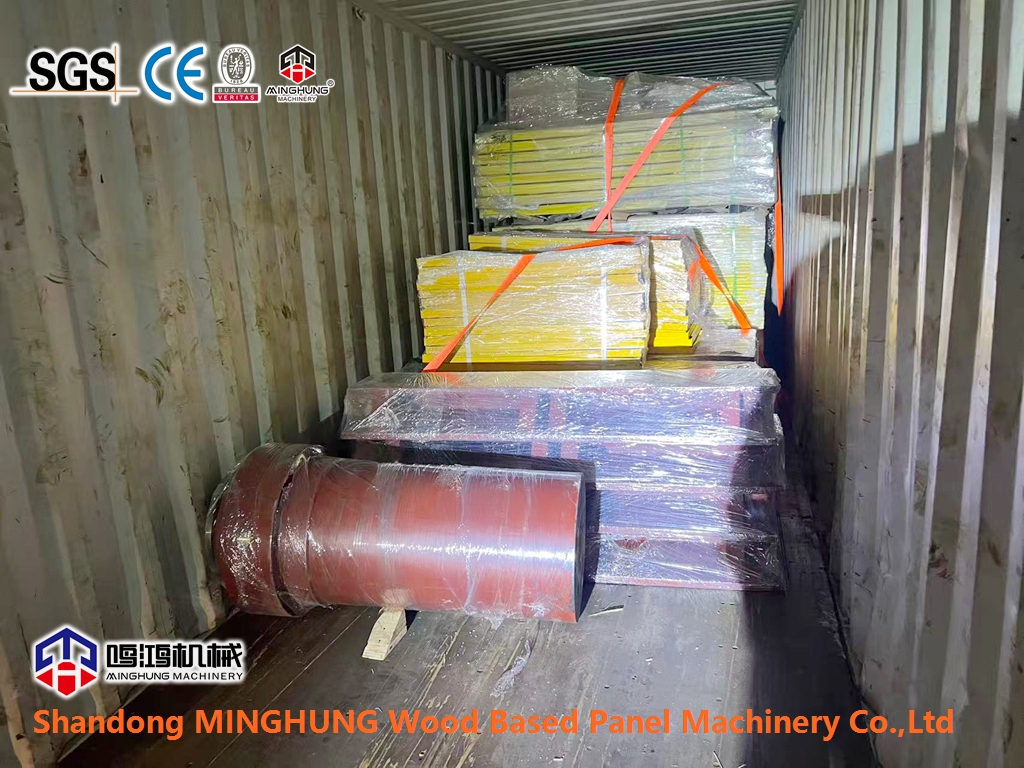
A4: The machine comes with a one-year warranty (excluding wear parts), covering free repairs for non-human-caused faults during the warranty period. We provide remote technical support, video tutorials, and express spare parts delivery, with on-site service available when necessary.
Q5: How is the holding time determined?
A5: Holding time mainly depends on glue type, ambient temperature, and board thickness. The glue manufacturer's instructions can serve as a reference, with fine-tuning through trial runs for optimal results.
Q6: Is the working pressure adjustable?
A6: Yes. The hydraulic system includes a pressure regulating valve, allowing users to adjust the working pressure steplessly within the rated range according to different board materials and process requirements.