How Plywood is Made?: A Comprehensive Guide to its Composition and Manufacturing Process
Introduction:
Plywood is a versatile and widely-used building material known for its strength, durability, and affordability. It is commonly used in construction, furniture making, and various other applications. In this article, we will delve into what plywood is, its composition, and the intricate process involved in its manufacturing.
What is Plywood?
Plywood is a type of engineered wood made from thin layers of wood veneers, also known as plies, that are glued together. These plies are stacked in a cross-grain pattern, which enhances the strength and stability of the final product. Plywood comes in different grades, with each grade designed for specific applications.
Composition of Plywood:
The basic composition of plywood involves three primary components: the face veneer, the core veneer, and the back veneer. The face veneer is the outermost layer and is usually made from high-quality hardwood, providing an attractive appearance. The core veneer, located between the face and back veneers, can be composed of softwood or hardwood, depending on the desired strength and application of the plywood. Lastly, the back veneer is similar to the face veneer and provides balance and stability to the plywood.
Manufacturing Process:
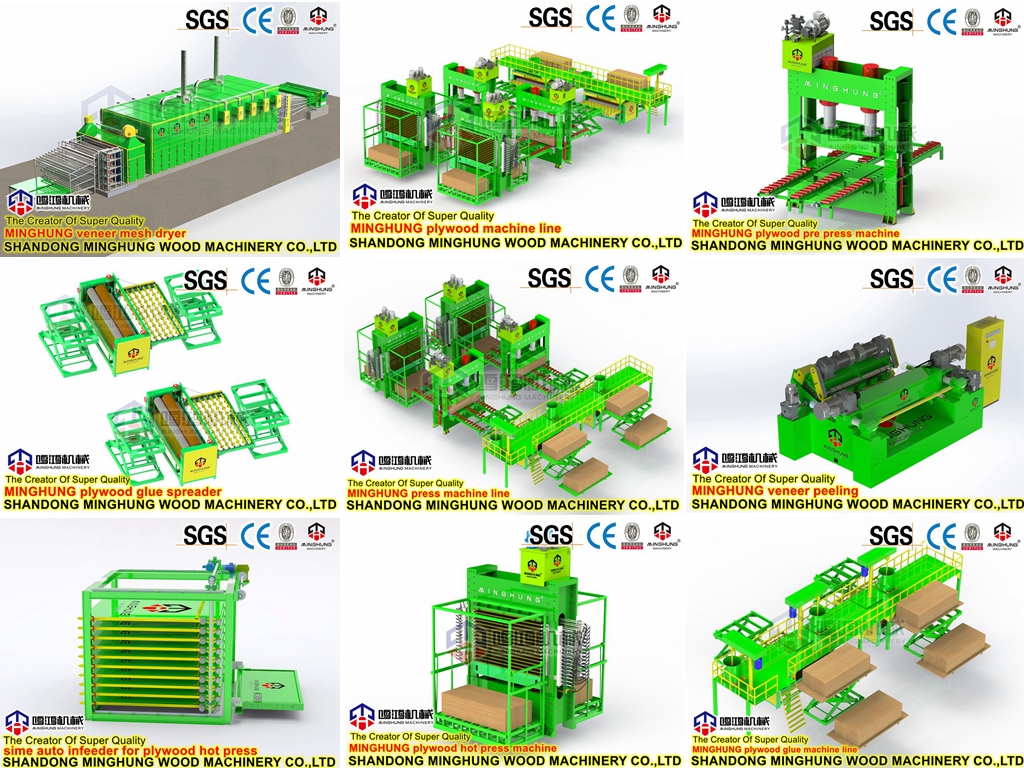
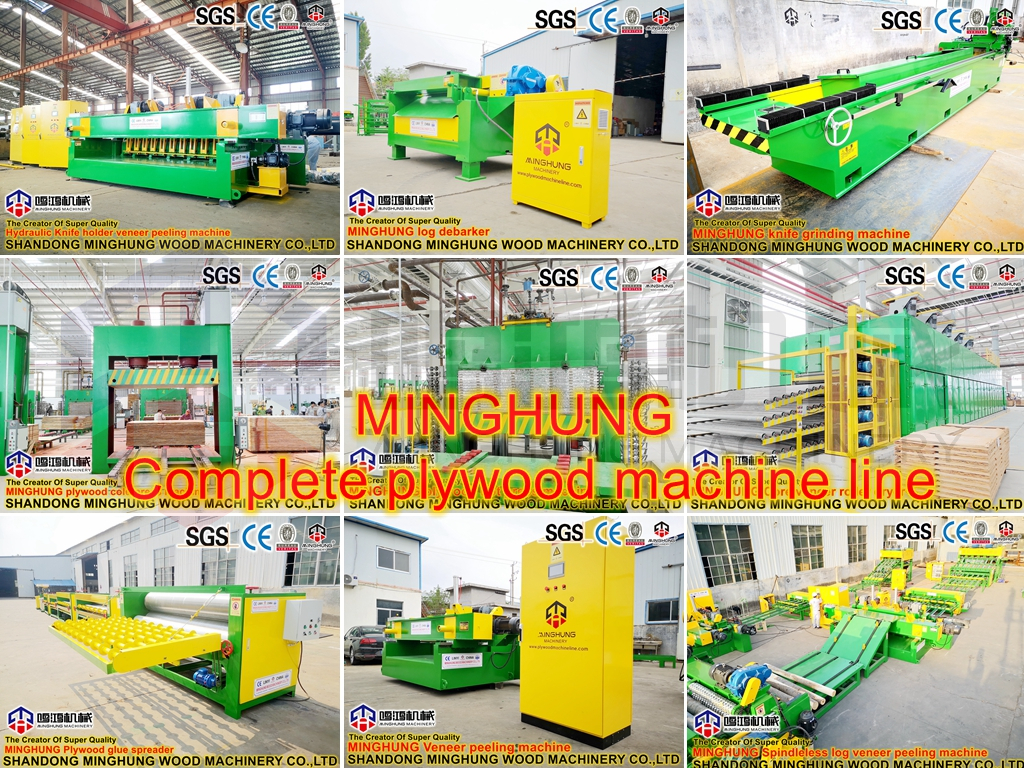
Log Selection and Preparation: The process begins with the careful selection of logs, ensuring they are suitable for plywood production. The logs are debarked and cut into small, uniform lengths to facilitate further processing.
Peeling and Drying: The logs are then fed into a peeling machine, which rotates them against a sharp blade, producing thin layers of veneer. These veneers are then dried to reduce moisture content and increase their stability.
Sorting and Gluing: The dried veneers are sorted based on their quality and thickness. The selected veneers are then coated with adhesive, typically a phenol-formaldehyde resin, and stacked in a way that ensures the grains of adjacent veneers are perpendicular to each other. This cross-grain arrangement enhances the strength and prevents warping.
Pressing and Finishing: The glued veneers are placed in a hot press, where heat and pressure are applied to bond them together. This process, known as hot pressing, ensures a strong and durable bond between the plies. After pressing, the plywood panels are trimmed to the desired size and sanded to achieve a smooth surface.
Conclusion:
Plywood is a widely-used building material that offers numerous advantages due to its composition and manufacturing process. Understanding the intricacies of plywood, from its composition of face veneer, core veneer, and back veneer to the detailed manufacturing process involving log selection, peeling, gluing, pressing, and finishing, allows us to appreciate its strength, durability, and versatility. Whether it's for construction, furniture making, or other applications, plywood continues to be a reliable and cost-effective choice in the world of woodworking.
So do you want to produce plywood?
If you are interested, welcome contact us
Who we are?
We are China manufacturer and supplier of Plywood machinery and wood veneer lathe.
We can offer you the full line of woodworking machinery and support you start this business
The first day of the 2026 Shanghai International Woodworking Machinery Fair – if this morning's keyword was "surprise," then this afternoon's keywords are definitely "explosive" and "confidence"!
This trip to Shanghai was not only a display of products, but also a dissemination of our brand and a connection of emotions. We will continue to stay true to our original aspiration and repay every customer's trust and support with even better products and services. The future is full of promise, and we are always on the way!
The Mid-Autumn Festival is approaching, and the moon is growing round. While many people are beginning to prepare for family reunions, the company’s factory tells a different story: forklifts weaving through the yard, crane arms rising and falling, containers lined up in rows, and loading work proceeding in a tense yet orderly manner.
How to produce Particle board? What is the production step of Making Particle board?Introduction:Particle board, also known as chipboard, is a versatile and cost-effective material widely used in the construction and furniture industries. It is made by compressing wood particles and adhesive togethe
This new facility marks a fresh start for our company. Guided by our enduring commitment to "precision engineering and quality first," we are now better equipped than ever to provide efficient, durable, and innovative machinery solutions for the worldwide wood-based panel industry.