Views: 0 Author: Site Editor Publish Time: 2025-08-07 Origin: Site
The core differences between "chipper""flaker" and "debarker"
1. Debarker
Description: Peeling machine, debarking machine.
Function: Remove the outer bark of logs or wood materials.
Purpose: The bark usually does not contain the required wood fibers and may contain impurities such as sand, metal, etc., which can damage subsequent processing equipment or affect product quality (such as paper pulp). Peeling is the first step of pre-treatment in wood processing (especially for pulp production and artificial board manufacturing).
Output: Logs with bark removed (main product) and the peeled bark (by-product, which can be used for biomass energy, etc.).
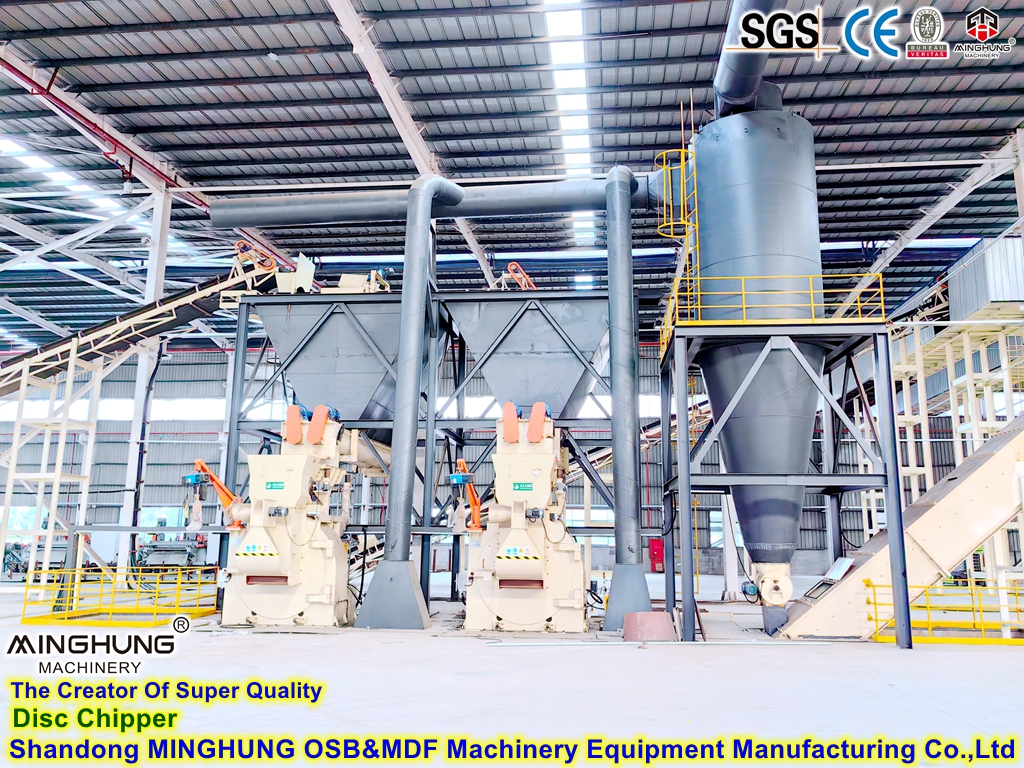
Function: Cut the peeled logs, wood waste (such as branch wood, board veneer, edge waste) or small-diameter logs into small, irregularly shaped wood chips.
Purpose: Prepare standardized-sized raw materials for subsequent processing (such as pulp production, production of particleboard, biomass fuel).
Output: Wood chips (Chips). The size is usually 15-35mm in length and 3-5mm in thickness, with irregular shapes (similar to small blocks or small fragments).
3. Flaker
Description: Planer, chipper.
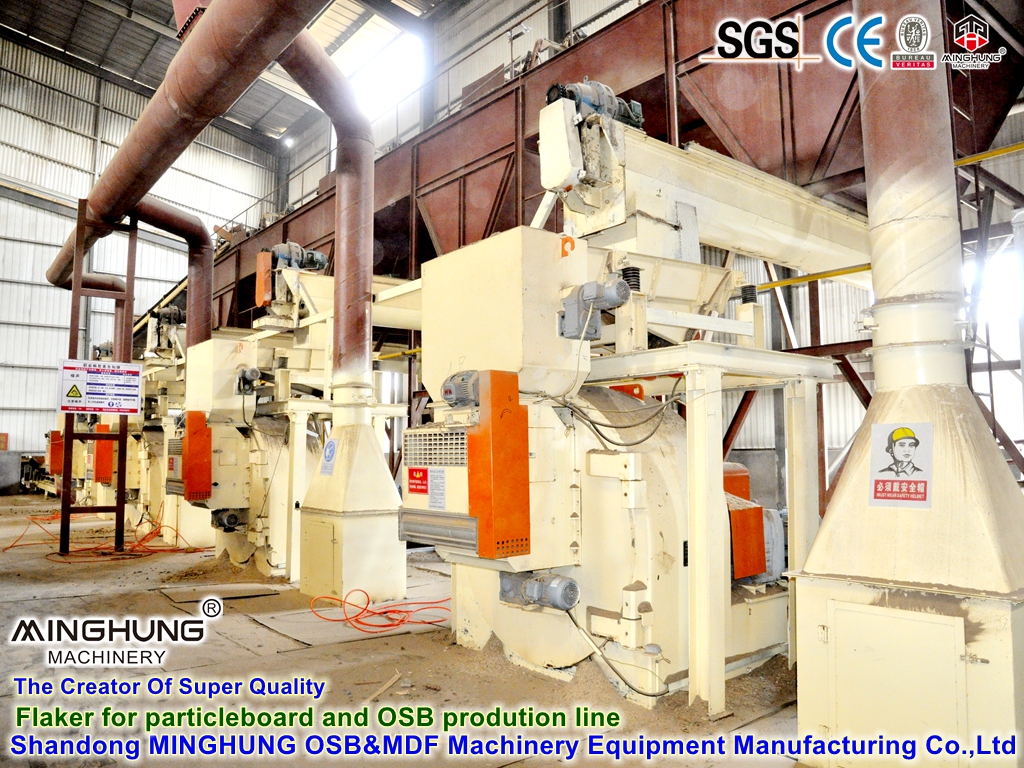
Function: Usually, large pieces of wood raw materials (such as logs, wood blocks) or processed wood chips are cut along the direction of wood fibers into thin, flat, sheet-like or strip-like chips.
Purpose: Specifically used for producing the surface and core chips needed for manufacturing particleboard (Particleboard) and oriented strand board (OSB). The flat shape of the chips is crucial for the mechanical properties and surface quality of the boards.
Output: Chips (Flakes, Strands). The size is relatively large (length can reach several tens to over one hundred millimeters), the thickness is very thin (about 0.2 - 0.8 mm), and they are in a flat sheet-like or slender strip-like shape.
Pulp and paper manufacturing, core materials for artificial boards, biomass fuels
Flaker
Beveled into thin flat shavings
Wood sections, wood blocks, craft wood pieces
Thin, flat-shaped or slender strip-shaped wood chips
Production of particleboard (surface/core layer), oriented particleboard
Simple Memory
Debarker: For dealing with tree bark.
Chipper: Produces small wood blocks/fragments (Chips), widely used.
Flaker: Produces thin sheets/long strips (Flakes/Strands), mainly used for particle board.
Peeling is the pre-treatment process. Chopping and planing are both aimed at obtaining specific forms of wood materials, but the forms and application scenarios are different.
The first day of the 2026 Shanghai International Woodworking Machinery Fair – if this morning's keyword was "surprise," then this afternoon's keywords are definitely "explosive" and "confidence"!
This trip to Shanghai was not only a display of products, but also a dissemination of our brand and a connection of emotions. We will continue to stay true to our original aspiration and repay every customer's trust and support with even better products and services. The future is full of promise, and we are always on the way!
The Mid-Autumn Festival is approaching, and the moon is growing round. While many people are beginning to prepare for family reunions, the company’s factory tells a different story: forklifts weaving through the yard, crane arms rising and falling, containers lined up in rows, and loading work proceeding in a tense yet orderly manner.
How to produce Particle board? What is the production step of Making Particle board?Introduction:Particle board, also known as chipboard, is a versatile and cost-effective material widely used in the construction and furniture industries. It is made by compressing wood particles and adhesive togethe
This new facility marks a fresh start for our company. Guided by our enduring commitment to "precision engineering and quality first," we are now better equipped than ever to provide efficient, durable, and innovative machinery solutions for the worldwide wood-based panel industry.