Non-Spindle Rotary Peeler for Small Diameter Logs
1. Sorting & Cutting
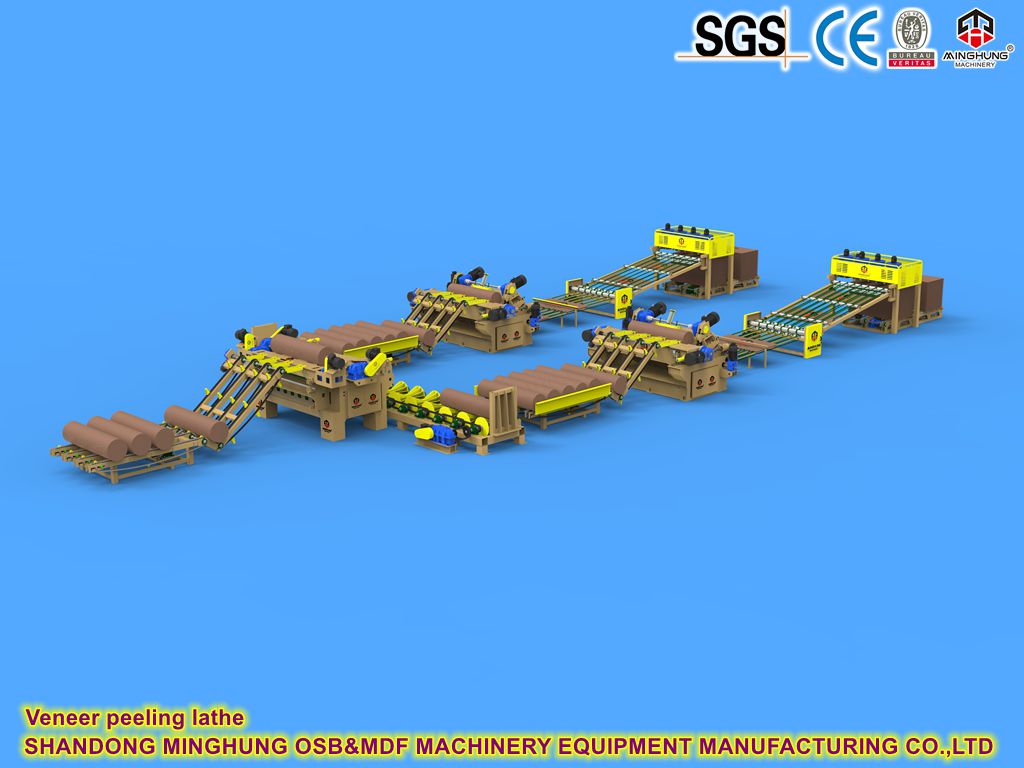
Roughly sort small-diameter logs by size, cut them to the machine’s maximum processing length (typically 4ft or 8ft). Centering or end squaring is not required.
2. Loading & Clamping
Feed the log manually or via an automatic loading device. Hydraulic pressure drives the bottom roller and top/side roller to clamp the log between the friction rollers.
3. Rotation & Peeling
Hydraulic motors rotate the friction rollers, which rotate the small-diameter log by friction. The knife carriage feeds hydraulically, and the blade peels a continuous veneer strip.
4. Veneer Discharge
The peeled veneer passes through guide plates and pressure rollers, and can be connected to a clipper or winder.
5. Core Discharge
When the log diameter reduces to approx. 20–30mm, the friction rollers automatically release, and the small core drops or is pushed out.
6. Repeat Cycle
Quickly load the next small log for continuous production.
Component | Function |
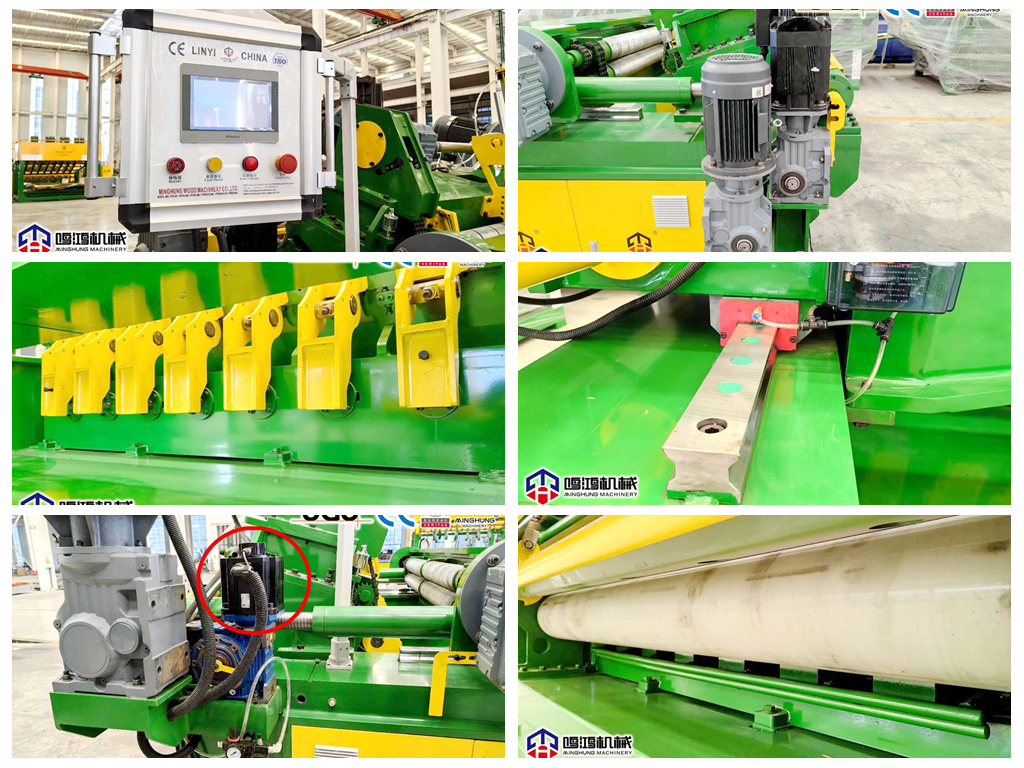
Frame | Compact welded steel structure, high rigidity, small footprint. |
Friction Roller Set | Includes driven bottom roller and pressure roller (top or side); patterned or rubber-coated surface for high friction. |
Hydraulic System | Hydraulic power unit, control valves, hydraulic motors and cylinders, provides clamping, rotation and feeding power. |
Knife Carriage Assembly | Holds the peeling blade; hydraulic feed; manual or electric fine adjustment of thickness (0.3–3.0mm). |
Drive System | Hydraulic motors directly drive friction rollers with stepless speed control for different diameters and wood species. |
Electrical Control System | PLC or simple relay control, digital thickness display, user-friendly panel. |
Auxiliary Devices | Simple loading rack, discharge guide plate, core collecting bin. |
Parameter | Value |
Max. processing length | 1220 mm (4 ft) or 2440 mm (8 ft) optional |
Min. remaining core diameter | 20 – 30 mm |
Veneer thickness range | 0.5 – 4.0 mm |
Thickness accuracy | ±0.05 mm |
Friction roller speed | 0 – 150 rpm (hydraulic stepless) |
Total power | 50 - 90 kW |
Hydraulic system pressure | 14 – 16 MPa |
Machine dimensions (L×W×H) | 4ft model: 4500×2300×1500 mm; 8ft model: 7200×2300×1700 mm |
Weight | 4ft: approx. 9000 kg; 8ft: approx. 13500 kg |
Suitable Small-Diameter Logs
Small-diameter logs typically come from fast-growing plantations, forest thinnings, pruning branches, and agricultural residues. The following species are suitable for peeling on this machine:
I. Fast-Growing Hardwoods
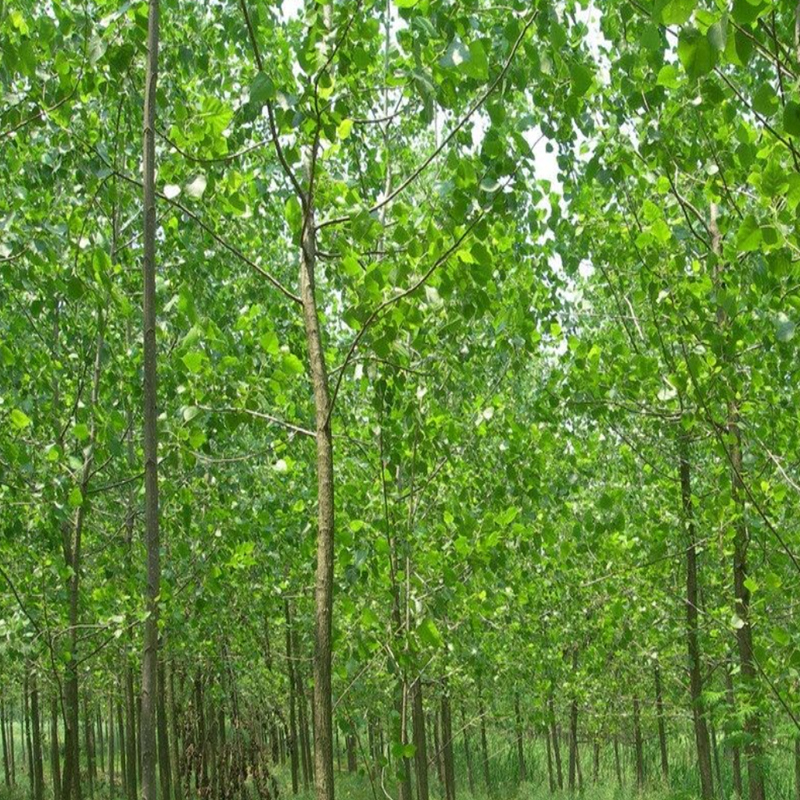
Poplar:Most common; soft wood, excellent peeling performance, smooth veneer, widely used for plywood core and packaging.
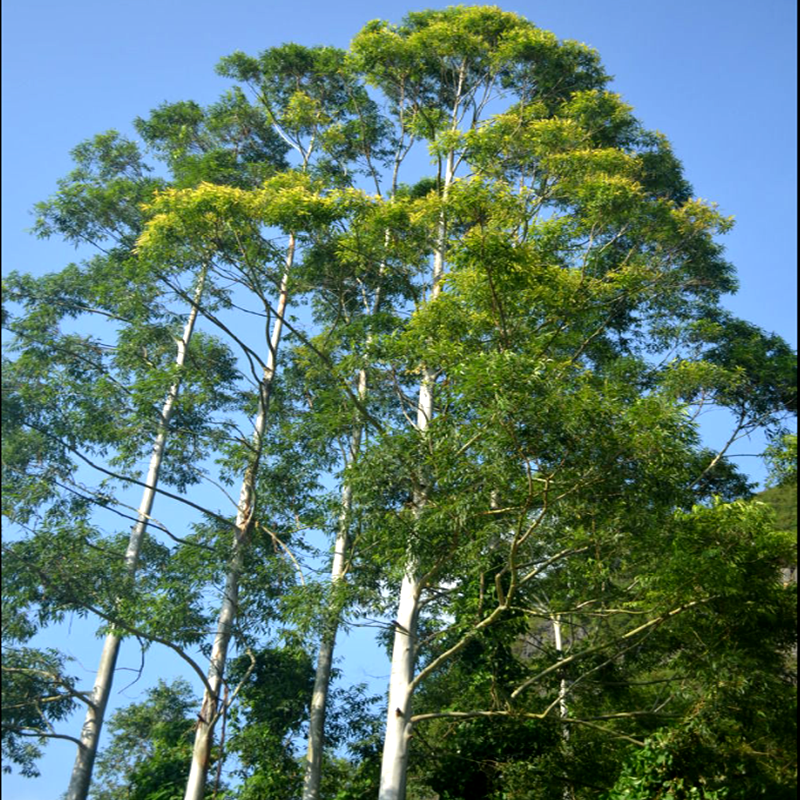
Eucalyptus:Moderate hardness, high strength, suitable for concrete formwork and pallet veneer.
Willow:Light and soft, easy to peel, often used for matchsticks, pencil slats and crafts.
Paulownia:Low density, good insulation, used for musical instruments and packaging.
Birch:Uniform texture, fine peeled surface, used for decorative veneer and furniture back panels.
II. Fast-Growing Softwoods
Radiata Pine:Few knots, straight grain, good veneer strength, widely used in construction and packaging.
Masson’s Pine:Common small-diameter pine in southern China; can be peeled after resin treatment.
Cedar / Fir:Light and soft, decay-resistant, used for interior decorative veneer.
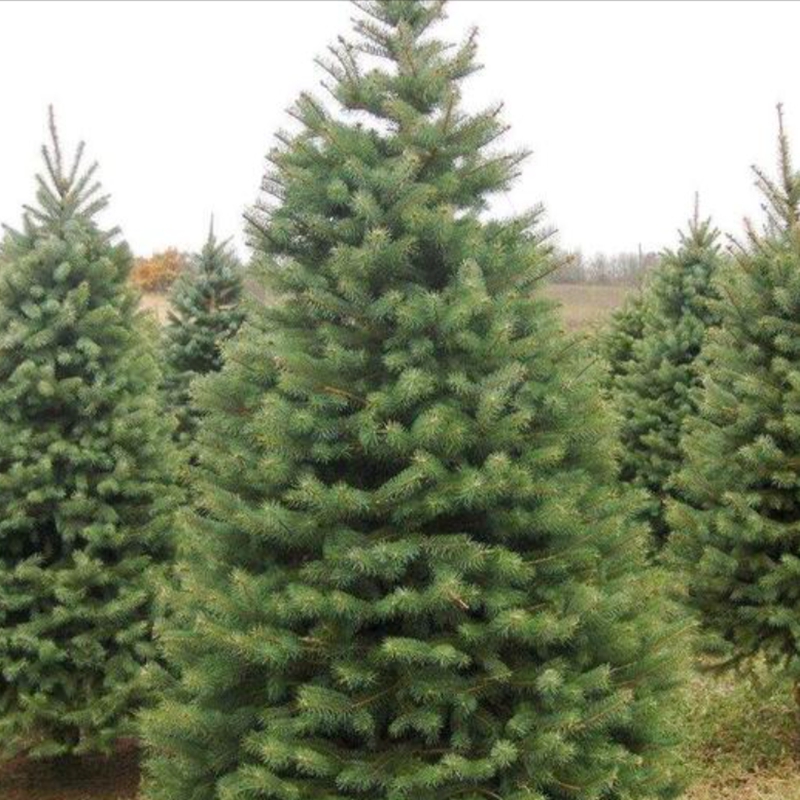
spruce
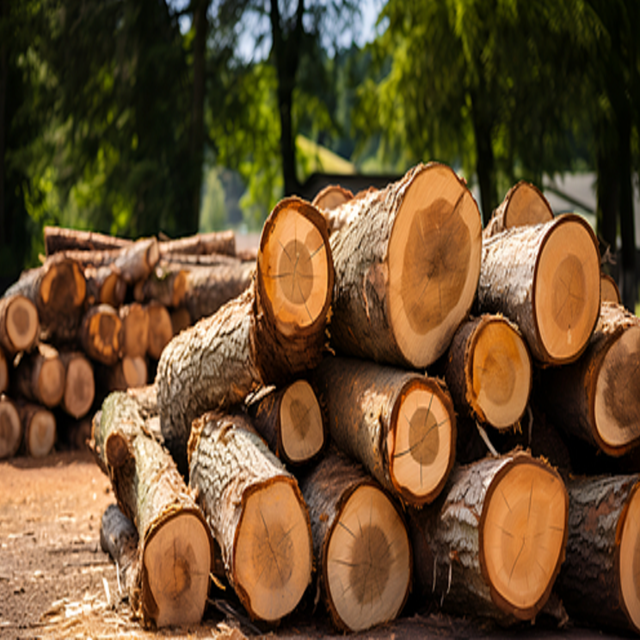
pine
III. Thinning Wood & Branchwood
Small-diameter pine, fir, poplar from thinning:Previously often discarded; this machine makes efficient use of them.
Pruned fruit tree branches (e.g., apple, peach, pear):Small diameter, can be peeled for crafts or biomass material.
Small-diameter rubberwood:Common in Southeast Asia; peeled for furniture components.
IV. Other Agricultural Residues
Cotton stalks: Used in some regions for core layer of composite panels.
Hemp stalks:Experimental peeling for composite materials.
1. Raw Material Evaluation & Selection:Recommend the most suitable machine and configuration based on local small-diameter log species, diameter range and expected output.
2. Installation & Commissioning:Provide on-site installation guidance, commissioning and trial production to ensure the machine adapts to small-diameter log characteristics.
3. Operator Training:Train workers in small-log feeding techniques, thickness adjustment, blade changing and routine hydraulic system maintenance.
4. After-Sales Support:12-month warranty for the whole machine, longer warranty for key components such as hydraulic units and motors. Long-term supply of original wearing parts (blades, friction roller rubber coatings, etc.).
5. Remote Technical Support:Real-time troubleshooting via video or phone for common issues in small-diameter log peeling (e.g., slipping, uneven thickness).
6. Custom Upgrades:Optional add-ons such as automatic loading, automatic centering, and core separation devices to further improve processing efficiency.
7. Machine Retrofit:Convert existing standard veneer lathes to coreless operation for small-diameter logs.
Our contacts:
Whatsapp: +8618769900191 +8615589105786 +8618954906501
Email: osbmdfmachinery@gmail.com